

What Is Homelessness?

Homelessness can be defined as the absence of adequate, permanent, or sustainable access to shelter; this includes couch surfing or living in a car. Most people experiencing homelessness do not have the income to sustain their most basic needs. Homelessness is a systemic issue but can also be the result of: poor mental and physical health, subjection to previous violence and abuse, and a shortage of affordable housing. If you want to lend some support to the homeless population in your community, you can find somewhere to volunteer or donate to as a way to help.
Sheltered Homelessness
Sheltered homelessness refers to the homeless population that stays in shelters or uses housing programs. Shelters in Canada include emergency shelters, traditional housing shelters, and violence against women shelters.
Unsheltered homelessness encapsulates the homeless population that spend their nights in public or private areas not intended for human habitation.
“Hidden” Homelessness
This is when people who do not have adequate shelter stay for prolonged periods of time with friends or family members. Being a “hidden” homeless person can also be characterized by living full time in a car or other vehicle, and couch surfing. Oftentimes these people will switch the residencies they are staying at and continuously move to new ones. Nearly 1 in 10 Canadians have experienced hidden homelessness in their lifetime.
Runaways
These are people (usually youth) who either run away from home or are abandoned on the streets. Usually, these people are significantly affected by abuse or mental and physical trauma.
Homelessness in Canada
From 2010 to 2017, 39,408 unique individuals were identified as experiencing homelessness in Ontario.
In Canada, 35,000 people experience homelessness on any given night.
In a year, approximately 235,000 Canadians experience homelessness.
27% are women
19% are youth
Poor housing and homelessness are costly for cities and taxpayers.
The average monthly costs of shelter beds are $1,932, almost ten times higher than the average monthly cost of social housing of $199.92.
The State of Homelessness reports that the annual cost of homelessness to the Canadian economy is 7.05 billion dollars.
Causes of Homelessness
Poverty
Inadequate Housing
Divorce and family disputes
Physical and violent abuse
Mental and physical trauma
Sexual trauma
Addiction to drugs and alcohol
Lack of access to education
Lack of access to social programs
Unemployment
What are the Challenges That People Experiencing Homelessness Face?
Identification
People experiencing homelessness lack reliable pieces of identification which can create additional problems with overcoming homelessness. Without identification, people experiencing homelessness cannot easily apply for jobs or social programs. Regeneration Outreach has an ID clinic that can help those without reliable pieces of identification receive a birth certificate that can help them apply for other forms of ID.
Healthcare
Illness is much more prominent in people experiencing homelessness, as they often do not have access to healthcare. Proof of address is mandatory for procuring an OHIP card in Ontario, which alienates those who do not have a permanent address from receiving the care they need. Regeneration Outreach has partnered with Peel Outreach by accessing nurse practitioners once a week and a hepatitis support team to help with prominent illnesses.
Clean Clothing and Personal Hygiene Equipment
People experiencing homelessness will oftentimes not have access to new or clean clothing, and personal hygiene equipment (like showers, soap, and hair trimmers). This can also contribute to an increased rate of illness, decreased self-esteem, and dignity.
Physical Safety
Without adequate protection from natural elements, People experiencing homelessness are at more risk of receiving serious injuries. Along with this, a lack of access to healthcare means that their injuries can go untreated and possibly become life-threatening.
Ways to Support the Homeless Through Donations
Winter Donations
During winter months, donating warm clothing and accessories can help homeless people stay warm when they do not have access to a shelter. This includes:
Winter coats
Toques, mittens, gloves, and scarves
Boots and shoes
Socks and underwear
Summer Donations
Small care packages of dried food and non-perishable items can significantly help homeless people get through any given day. As well, donating spices can help homeless people get some added variety in their meals during the summertime.
Donating things like sunscreen and bug spray can significantly also help homeless people stay more comfortable and safe during the summer months.
How Are Homeless Shelters Run?

Homeless shelters are oftentimes the only safe haven for those without adequate housing or residency. Shelters are places where those without a home can find resources to combat their current situation and trauma, as well as receive the care and support they require at the given moment. Even more importantly, they provide a safe place to sleep and receive a meal. Volunteering at a shelter or donating goods/funds can help in fighting against homelessness, and will provide somebody with the help that they need.
What Is Homelessness?
Homelessness can be defined as the absence of adequate, permanent, or sustainable access to shelter. This includes couch surfing or living in a car. Homelessness is primarily a systemic issue but is also often a result of family breakdown. Poor mental and physical health, subjection to previous violence and abuse, and a shortage of affordable housing all contribute to homelessness.
Sheltered Homelessness
Sheltered homelessness refers to the homeless population that stays in shelters or uses housing programs. Shelters in Canada include emergency shelters, traditional housing shelters, and violence against women shelters.
Unsheltered homelessness encapsulates the homeless population that spends their nights in public or private areas not intended for human habitation.
Causes of Homelessness
Poverty
Inadequate Housing
Divorce and family disputes
Physical and violent abuse
Mental and physical trauma
Sexual trauma and abuse
Addiction to drugs and alcohol
Lack of access to education
Lack of access to social programs
Unemployment
Homelessness in Canada
In Canada, 35,000 people experience homelessness on any given night.
In a year, approximately 235,000 Canadians experience homelessness.
27% are women
19% are youth
Poor housing and homelessness are costly for cities and taxpayers.
The average monthly costs of shelter beds are $1,932, almost ten times higher than the average monthly cost of social housing of $199.92.
The State of Homelessness reports that the annual cost of homelessness to the Canadian economy is 7.05 billion dollars.
How do Homeless Shelters Run?
Homeless shelters usually start due to the efforts of individuals and sponsors (like hospitals, companies, professionals, etc.), and the need to support the local homeless community. Homeless shelters address the complications that homeless people face by creating specific programs that can help them overcome these issues.
Some specialized programs that homeless shelters can provide are:
ID clinics
Cooking clinics
Rehabilitation
Employment guidance
Education guidance
Along with these programs, homeless shelters can provide meals and safe places to sleep for those without access to basic necessities.
Usually, individuals will be admitted to an emergency shelter during a specific time period at night and will be given a meal and provided a shower. They are allowed to stay for the night in a clean bed and will have access to different amenities. The next day, if they want to stay another night, they will need to come back at the previously established time period and get readmitted.
Canada’s Affordable Housing Program
Housing programs are another avenue of social support aimed at combating homelessness. Housing in Canada is considered to be affordable if it costs less than 30% of a household’s before-tax income.
In 2017, the National Housing Strategy was announced with the goal of ensuring that Canadians could access housing that was affordable and could meet their needs. The NHS is a detailed 10-year, $40 billion plan that promises to deliver results and benefit all Canadians. This plan includes building more affordable, accessible, inclusive, and sustainable homes. The primary focus will be on meeting the needs of vulnerable populations, such as:
Women and children fleeing family violence
Seniors
Indigenous peoples
People with disabilities
Those dealing with mental health and addiction issues
Veterans
Young adults
To learn more about Canada’s Affordable Housing Program, visit the CMHC website.
What to Donate to Homeless Shelters
Volunteering Your Time
Volunteering can go a long way for a person who is experiencing homelessness. Helping out at your local shelter can provide the workers there with more on-hand help, and can provide visitors with a kind face to look forward to seeing.
Clothes
During the winter months, it is crucial to stay warm and comfortable. People will not always have access to shelters, so making sure that they have adequate clothing for the weather can help save lives. Clothing such as winter coats, toques, mittens, boots, and men’s jeans are some goods that are in high demand during the colder months.
There is a need and demand for clothes in all seasons. At Regeneration Outreach Community we care about all who are experiencing homelessness and to be able to provide them with needs that are critical to their everyday lives. Having a good pair of shoes critical for individuals experiencing homelessness. People are constantly walking and on their feet and a person experiencing homelessness may not have several pairs to switch between.
Towels
Lots of people use shelters to look after their hygienic needs. Toiletries and towels can be essential products to shelters for use by people without access to their own showers and baths.
Transit Passes
Transit passes can help people in poverty get to where they need to go. Some people may be able to get a job, but do not have access to the transportation needed to get there. Transit passes can help alleviate these kinds of issues.
Why Is Volunteering Important?
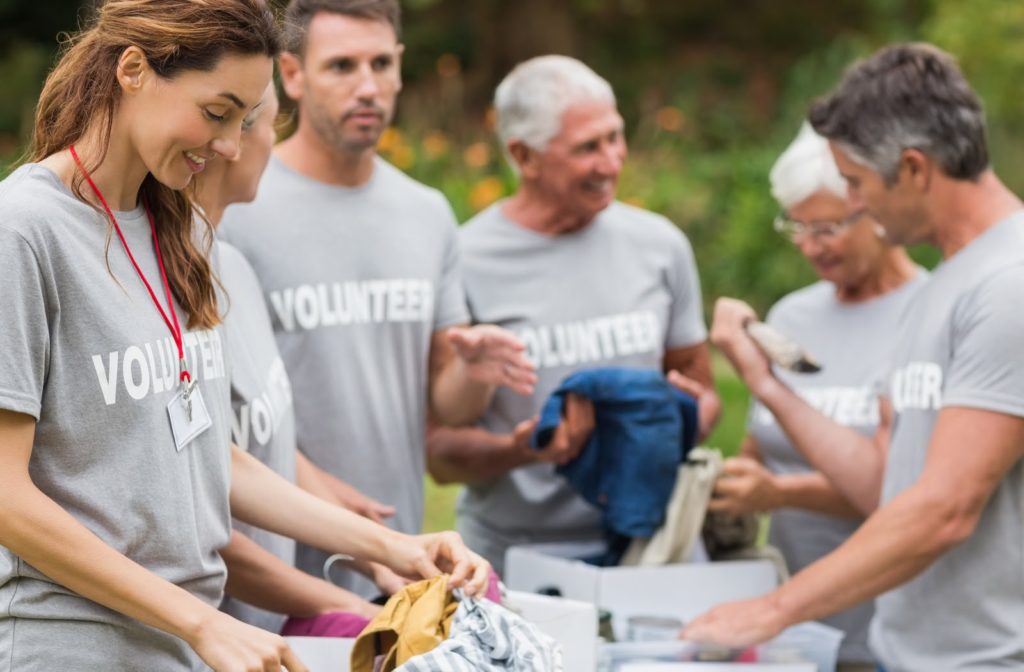
Volunteering not only bolsters the strength and effectiveness of your local community services, but can provide you with a great sense of self-fulfillment. Being a volunteer for a service, cause, or event that you believe in can put you into contact with people who share the same passion and sentiments as you, and can expand your network of empowered relationships. If you cannot provide your physical presence to a cause, you can lend your support through other avenues such as donating finances or goods.
What is Volunteering?
Volunteering is when a person willingly uses their time and labour to perform community service for no expected compensation. Volunteer positions can require a specific set of skills, or can require nothing more than a positive attitude and a willingness to help. Volunteers can be used to help provide medical services, emergency rescue/support, support to civil and social causes, and a massive variety of other areas of service.
The Importance of Volunteering
Helping Your Local Community
Your local community contains and provides the essential day-to-day services that you utilize to improve your quality of life. Something you may not realize is that even when you are not directly involved with the provision of these services, you are also an essential part of the systematic workings of your community. Making purchases and using services can help support small businesses and provide them with a sense of engagement with their customers. To take this further, community members can further strengthen their local community services by volunteering. By directly getting involved with community services through volunteering, you are helping to further improve the quality of life for others in your area. The process of volunteering will end up circling back to benefit you and will help you live a more quality, comfortable, and fulfilled life.
Protecting the Environment
Protecting the planet that we live on and use for resources can be a large part of community service. Helping your community cut down on waste and implement more eco-friendly systems through volunteering will keep the area you live in clean and beautiful. You can do a great deal of help through individual efforts to be more eco-conscious in your daily life, but volunteering for an organized environmental effort in your community will exponentially improve the quality of life in your area. Volunteering in any capacity to help the environment will help set up future generations for success and will ensure that the environment that they inherit can take care of their needs.
Gaining Experience and Making Connections
Volunteering is a great way to gain experience in a field or industry you are interested in. Typically, to be a volunteer you will not need the same experience or designated skills that a paid position requires. If you can get some experience through volunteering, it can help open up opportunities for paid work in the same industry or field.
You will also be able to meet many empowering people through volunteer opportunities and make worthwhile connections with them. Along with gaining experience, being able to network and connect with many different people can give you an advantage when looking for paid work.
Pros and Cons of Volunteering
Pros
Helps your local community in different service areas
Protects the environment
Make meaningful connections
Gain experience
Achieve a great sense of fulfillment
Expand your knowledge of certain industries, fields, and services
Learn how to work with a team
Bolster your resume
Improve and mature your character and personality
Chances to volunteer abroad
Cons
Can be time-consuming
No monetary compensation for your efforts
Volunteering abroad can be expensive
Finding the right volunteer position can take a lot of time and effort
Some volunteer positions require a large amount of commitment
Other Ways to Help Your Community
If you cannot provide help through volunteering physically, there are other options available to help your community.
Donating Goods
Donating goods is a fantastic way to help those who do not have the means to purchase necessary products and services receive the help they need. Donating food and clothing are two simple ways to stay active in community services without having to volunteer your time towards specific commitments.
Donating Financially
If you have the means, making a monetary donation can be another good way to provide people with the help they need. Donating money to different causes has never been easier due to the fact that many organizations accept donations through their websites.