Choice Changes Everything | Donate

Bring Hope, Belonging, and Joy to Those Who Need It Most

Fill the Marketplace with Hope

The Marketplace runs because people like you choose to be part of it. Every contribution, at any level, means someone walks through that door and leaves with groceries they chose, dignity intact.

Regeneration is a place of laughter and new beginnings. Step through the door this spring.

$50.00

Provides a week’s worth of groceries for 10 families.

Join the Circle of Care

Join the Circle of Care

Bring Hope, Belonging, and Joy to Those Who Need It Most

Regeneration is a place of laughter and new beginnings. Step through the door this spring.

$4.00

ONE HOT MEAL

$20.00

FIVE MEALS

$100.00

TWENTY-FIVE MEALS

$40/MONTH

WALK ALONGSIDE ONE PERSON

Choice Changes Everything

The Marketplace is where people feel that something is different. Where the transaction isn’t a handout. Where the mission isn’t written on a wall, it’s felt in the way you’re greeted at the door.

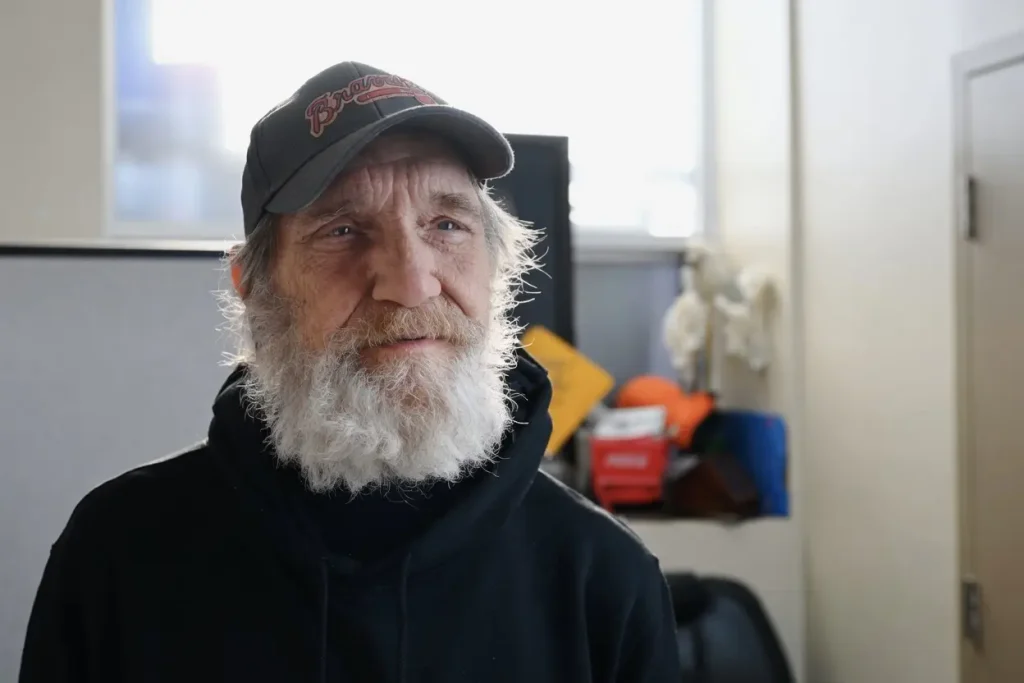
Elijah Found More Than Food. He Found Home.

For Elijah, home isn’t just a place. It’s a feeling. It’s the laughter that bubbles up while dancing for joy, the warmth of a shared meal, the music that carries him through hard days…

Annual Rick Robson Golf Tournament

We look forward to welcoming you back—or welcoming you for the first time—to Regeneration’s Annual Rick Robson Golf Tournament on Tuesday, June 08, 2027 in support of Regeneration Outreach Community in Brampton, Ontario. Learn more and register for this fantastic annual fundraising event!

Coldest Night of the Year

Bundle up and join us for the Coldest Night of the Year on Saturday, February 27, 2027, a winter walk that brings the community together to support people experiencing hunger, homelessness, and hardship in Brampton.

Every step helps fund Regeneration’s programs, from meals and showers to essential care and life-changing support. Walk with friends, family, or your coworkers, fundraise, or donate. Every action brings hope and dignity to those we serve.

Cost of Living Crisis in Canada: Impact on Houselessness

Right now in Canada, families are making impossible choices between rent and groceries. The cost of basic necessities has skyrocketed, pushing more people toward housing instability than we’ve seen in decades. Regeneration Outreach has witnessed this crisis firsthand, serving community members in Brampton who face these daily challenges with dignity and compassion.

The current cost of living crisis in Canada is directly driving increased houselessness and housing instability, as families can no longer afford the basic expenses of housing, food, and transportation on stagnant incomes. From 2023 to 2024 alone, many communities have seen dramatic increases in people seeking support services, with some areas experiencing significant growth in food bank visits.

What the Cost of Living Crisis Means for Canadian Families

Rising Housing, Food & Transportation Costs

Housing costs have become the largest expense for most Canadian families, often consuming 50% or more of monthly income. Rent increases have far outpaced wage growth, leaving families with less money for everything else. Grocery bills that used to cost $150 per week now reach $300 or more for the same items.

Transportation costs add another layer of financial pressure. Public transit fares, gas prices, and vehicle maintenance expenses have all increased significantly. These aren’t luxury items—they’re necessities for getting to work, school, and medical appointments.

How Inflation Affects Community Members Most

People living on fixed incomes feel the impact of inflation most severely. When prices rise but disability benefits, pensions, or minimum wage jobs don’t keep pace, families fall behind quickly. A single unexpected expense—like a car repair or medical bill—can push someone from stable housing into crisis.

Young adults starting their careers and seniors on fixed incomes are particularly vulnerable. These groups often have the least flexibility in their budgets and fewer resources to draw on during tough times. Understanding poverty lines in Ontario helps illustrate how many working families now live precariously close to housing instability.

The Link Between Rising Costs & Housing Instability

When Rent Takes More Than 50% of Income

Housing experts recommend spending no more than 30% of income on rent, but many Canadians now pay 50% or more. When housing costs consume such a large portion of income, there’s little left for food, medication, or emergency expenses. This creates a precarious situation where any financial disruption can lead to eviction.

Landlords are increasing rents at maximum allowable rates, and new rental properties often cost significantly more than older units. Families face the choice of paying unaffordable rent or moving to areas with fewer job opportunities and services.

The Impossible Choice: Food or Housing

Many families now regularly choose between paying rent and buying groceries. Some skip meals during the last week of each month to ensure they can pay housing costs. Others delay paying utilities to afford food, risking disconnection of services.

This isn’t a temporary situation for most families—it’s become their new normal. The stress of constantly managing these impossible choices affects mental health, family relationships, and overall well-being. These challenges often lead to persistent cycles of poverty that become increasingly difficult to escape.

How Families Move from Housed to Houseless

The path from stable housing to experiencing houselessness tends to start off gradual, but it often accelerates suddenly. Families might start by staying with friends or relatives when they can’t make rent. They may live in overcrowded conditions or unsafe housing because it’s all they can afford.

Eventually, these temporary solutions become unsustainable. Families find themselves with nowhere to turn, facing the reality of sleeping in cars, shelters, or on the streets. What once seemed unthinkable becomes their daily reality.

Food Insecurity & Housing Crisis: A Dangerous Combination

What Food Insecurity Really Looks Like

Food insecurity affects families in ways that extend far beyond hunger. When people can’t afford nutritious meals, their health suffers, making it harder to work and maintain a stable income. Food insecurity also creates additional barriers to stability, including:

Skipping meals to pay rent

Choosing between groceries and utilities

Relying on food banks monthly instead of occasionally

Why Community Members Visit Food Banks More Often

Food banks in Brampton Ontario and across Canada are seeing unprecedented demand. People who never imagined needing food assistance now visit regularly to help stretch their budgets. Working families, seniors, and students make up a growing portion of food bank users.

The stigma around accessing food banks is decreasing as more people realize that these services provide necessary support during difficult times. In fact, food banks have become a lifeline that helps families allocate more money toward housing costs.

The Reality in Brampton & the GTA

Rising Numbers in Our Community

Local communities in the Greater Toronto Area are experiencing dramatic increases in people seeking support services. The numbers tell a story of families under increasing financial pressure, with many accessing community resources for the first time.

Community centers and support organizations are adapting to meet this growing demand. They’re extending hours, increasing capacity, and finding new ways to serve more people with dignity and respect. This growing need highlights the importance of comprehensive support services in addressing housing instability.

Who’s Affected Most by Housing Costs

While the cost of living crisis affects everyone, certain groups face particular challenges. Single parents, people with disabilities, seniors, and newcomers to Canada often have the fewest resources to weather financial storms.

Young people aging out of foster care, individuals leaving hospital or correctional facilities, and those dealing with mental health challenges also face additional barriers to securing stable housing.

The Growing Need for Support Services

Community organizations are seeing increased demand for all types of support services. Beyond food assistance, people need help accessing identification documents, connecting with healthcare, and finding affordable housing options.

The need for wrap-around services has become more apparent as families deal with multiple challenges simultaneously. Addressing food insecurity without tackling housing costs only provides temporary relief.

How Community Support Makes a Real Difference

The Role of Food Banks & Community Centers

Brampton food banks and other community organizations provide more than just emergency food assistance. They offer connection, resources, and hope to families navigating difficult circumstances. These spaces become gathering places where people can access multiple services and find community support.

Community centers also provide practical resources like internet access, meeting spaces, and information about other available services. They help people navigate complex systems and connect with the support they need most. Understanding how food banks operate helps communities better support these vital resources.

Why Accessible Support Matters More Than Ever

During times of crisis, accessible support services become lifelines for families. When people can walk into a welcoming space without appointments or complex requirements, they can get help before their situations become more desperate.

This approach recognizes that people know what they need and when they need it. Removing barriers to access helps families get support quickly and maintain their dignity throughout the process.

How You Can Help Your Neighbors Through This Crisis

Community response makes a tangible difference in addressing the cost of living crisis. When neighbors support each other, families can weather difficult times and work toward stability. Small actions create ripple effects that strengthen entire communities.

Your involvement doesn’t require special skills or large financial contributions. Often, the most meaningful help comes from showing up consistently and treating people with respect and kindness.

Ways to Get Involved in Brampton

Small Actions That Create Big Impact

Getting involved in your community can start with simple actions. You might donate non-perishable foods, volunteer a few hours each month, or simply spread awareness about local resources. Every contribution matters and helps build stronger community connections.

Consider what skills or resources you have to offer. Whether it’s helping with paperwork, providing transportation, or sharing a meal, your unique contributions can make a meaningful difference in someone’s life. Learning about essential donation items can help ensure your contributions meet the most pressing needs.

Volunteer Work Brampton Opportunities

Volunteer work in Brampton offers many ways to support community members facing housing and food insecurity. You can help serve meals, sort donations, or provide administrative support to local organizations. Many volunteer opportunities require just a few hours per week, but they all have a lasting impact. Consider:

Volunteer work Brampton opportunities at local community centers

Supporting your local food bank through donations and time

Connecting with community members who need help through friendly conversation and practical support

Regeneration Outreach continues to serve as a caring community where every person can find support, connection, and hope during these challenging times. If you’re looking for ways to help your neighbors or need support yourself, we welcome you to join our community and experience the power of people caring for each other with dignity and respect.

Causes of Food Insecurity

A sign that reads "insecurity" in a produce section at a grocery store

You see it at the checkout counter and at the gas pump—prices for everyday essentials are climbing. For many in our community, this means budgets are stretched thinner than ever before. This financial pressure, a key factor in food insecurity in Canada, forces families to make difficult choices every single day.

Food insecurity is a complex issue driven by low incomes, the high cost of living, and physical barriers that prevent access to nutritious food. It’s not about a lack of food in our country, but a lack of resources to get that food onto the table consistently. Understanding these root causes and learning how to reduce your grocery bill is the first step toward building a community where everyone has enough to eat.

What Is Food Insecurity?

Food insecurity is more than just feeling hungry. It’s the stress and uncertainty of not knowing if you can provide enough healthy food for yourself or your family. It could mean skipping meals so your children can eat or relying on less nutritious options to stretch your budget.

A Look at the 4 Pillars of Food Security

To understand the full picture, it helps to look at 4 key elements. When one of these pillars is weak, a person’s food security is at risk.

Availability: Is there a sufficient quantity of food available?

Access: Can people afford and physically get to the food?

Utilization: Do people know how to prepare nutritious meals with the food they have?

Stability: Is access to food reliable over time, or is it easily disrupted?

An Example of Food Insecurity

Think about having to choose between paying rent on time and buying a week’s worth of groceries. This isn’t a hypothetical situation—it’s a real choice many of our neighbours face. This is often when community programs, like our Marketplace food bank, become a lifeline.

The Connection Between Low Income & Food Insecurity

The main reason people experience food insecurity in Canada is a lack of income. When money is tight, the grocery budget is often the first thing to be cut. Unlike a rent payment or a hydro bill, food costs can feel more flexible, even when they shouldn’t have to be. For many, their income falls well below the poverty line in Ontario, making every day a financial challenge.

Poverty & Underemployment

Having a job doesn’t always protect someone from food insecurity. Low wages or unpredictable hours can make it impossible to cover all your expenses. We see this daily with guests who come to us for support, some of whom also need access to information about other community supports Brampton offers.

Rising Cost of Living

The cost of living has risen dramatically, putting immense pressure on household budgets. We’ve seen this firsthand, with a 58% increase in visits to our Marketplace from 2023 to 2024. When everything costs more, there is simply less money left for food.

How Housing Costs Fuel Hunger

The lack of affordable housing is one of the biggest drivers of food insecurity in our community. When a large portion of your income goes directly to rent or a mortgage, little remains for other basic needs. This forces many to turn to community support to fill the gap.

The Rent or Groceries Dilemma

This is a stressful decision that no one should ever have to face. Yet, it’s a monthly reality for countless people in Brampton. The need for our Marketplace food bank often stems directly from the impossible choice between keeping a roof over your head and putting food on your table.

The Challenge for People Experiencing Houselessness

For neighbours experiencing houselessness, the challenges are even greater. Without a kitchen, a fridge, or a stable place to store food, accessing and preparing meals is incredibly difficult. This is why our daily meal program is so vital. It makes it much harder to break the cycle of food insecurity and poverty.

Physical Barriers to Accessing Food

Sometimes, the problem isn’t just financial. Even if a person can afford groceries, physical obstacles can stand in the way. These barriers can make it tough to get the nutritious food needed to stay healthy.

Food Deserts & Transportation

A “food desert” is an area where affordable, healthy food options are limited or nonexistent. If you rely on public transit and the nearest grocery store is several kilometres away, just getting to the store can be a major hurdle.

Health & Mobility Issues

Chronic health conditions or mobility challenges can make grocery shopping and cooking difficult tasks. For some, this can lead to a reliance on less healthy, processed foods. Our Essential Care Program helps bridge this gap by providing prepared meals and other necessities. For others, it can mean going without food altogether.

How You Can Help Your Neighbours in Brampton

Now that you understand some of the causes, you can be part of the solution. Your compassion and action can create real change for people in our community. Together, we can restore hope, purpose, and dignity.

Support Regeneration Outreach Community

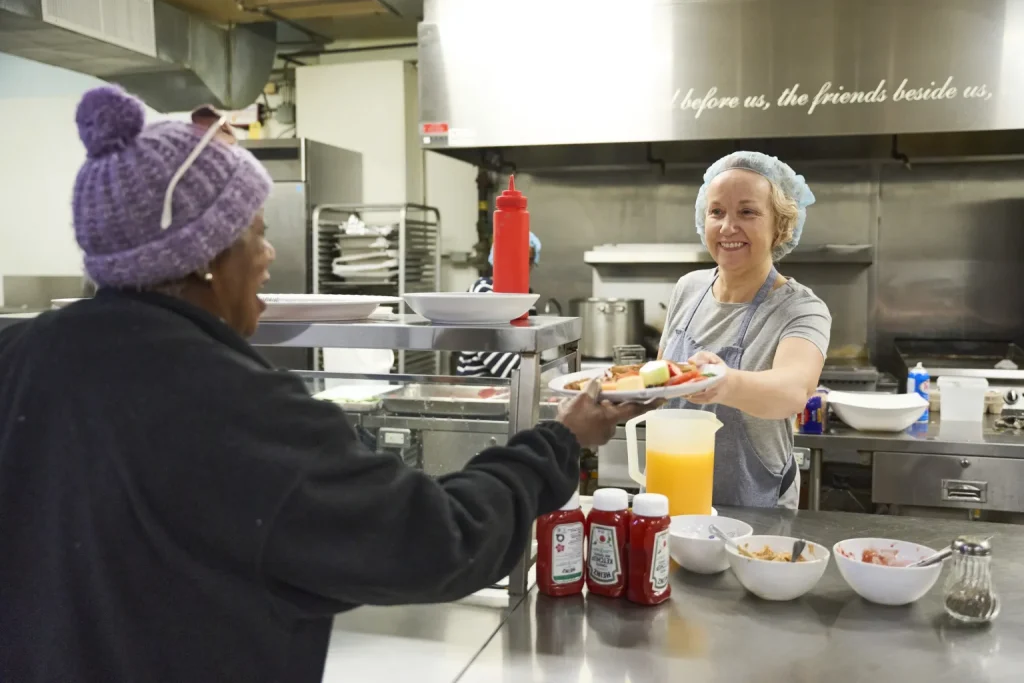
Your donations help us provide warm meals, groceries, and other essentials to our neighbours. Every gift is an act of love that helps us create a welcoming and caring community. You can help us show every person that they are valued.

Consider Volunteer Work Brampton

Giving your time is one of the most powerful ways to make a difference. We have many opportunities for volunteering in Brampton, Ontario, from serving in our kitchen to helping in our Marketplace. Your hands-on help directly supports those who need it most.

Help Build a Brampton Where Everyone Belongs

At Regeneration Outreach Community, we are a caring community committed to walking alongside our neighbours with dignity and respect. When you support our work, you help build a Brampton where everyone feels they belong. Join us today to help restore hope and make a lasting impact.