Choice
Changes
Everything
Regeneration’s Dignity-First Philosophy makes shopping a hopeful experience.

The grocery store that could change everything
There’s a particular kind of anxiety that builds when you walk into a grocery store knowing you can’t afford what your family needs.
You go anyway. Doing the math in your head while you walk the aisles. Putting things back, and leaving with less than you came for. Carrying that feeling home with you.
For one Brampton parent, that was the weekly routine. Two jobs, a child at home, and a fridge that never quite made it to the end of the week. He knew places like Regeneration existed, but the fear of what it would mean to admit he couldn’t do it alone had always been louder than the hunger.
Eventually, after sleepless nights, the fear got quieter. When he walked in, it smelled like produce.
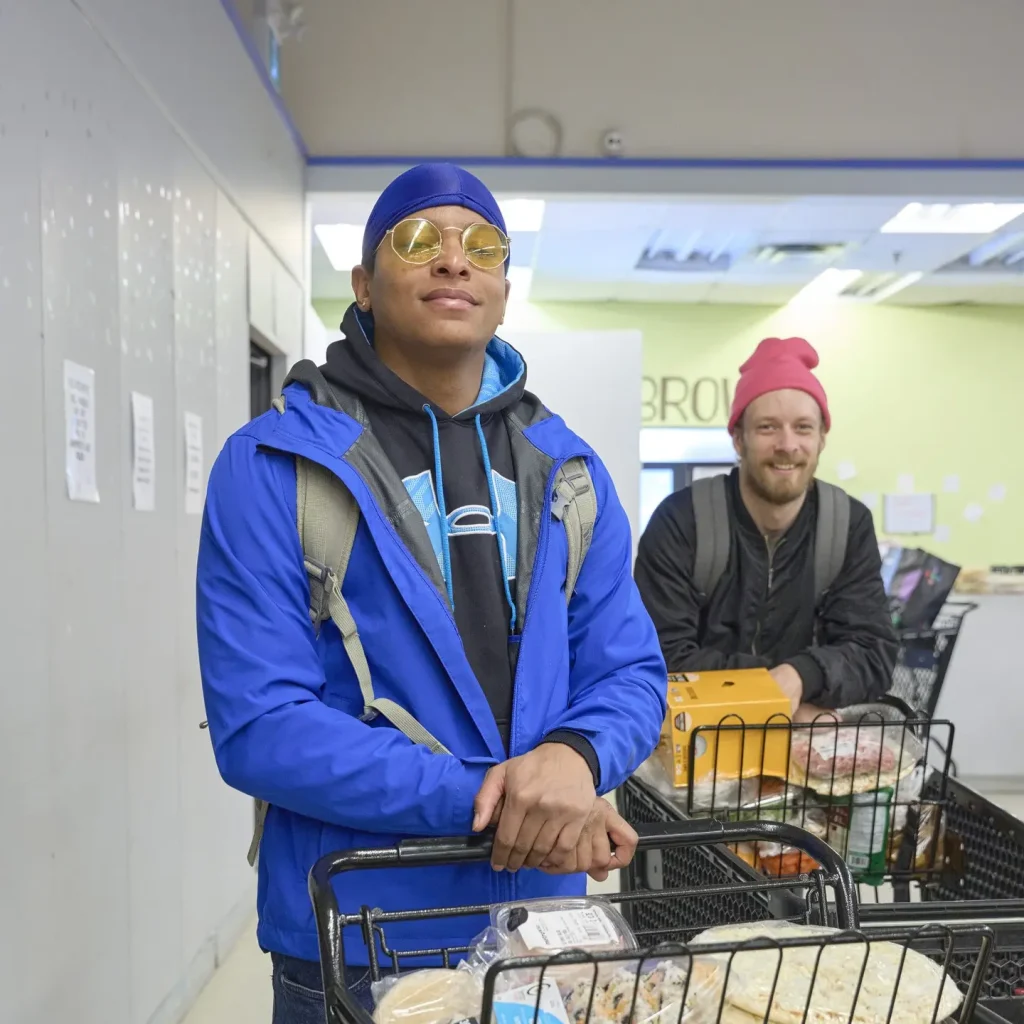
Not a storage room, or a gymnasium with folding tables. There were shelves, aisles, shopping carts, and someone standing at the door to greet him, saying welcome, take your time.
He stood there for a moment. The anxiety he’d been carrying, the kind that follows you through every grocery run, every mental calculation, everything you put back, started to loosen its grip.
When he walked in, he wasn’t a charity case. He was a shopper, a guest.
A different kind of food bank
The Marketplace at Regeneration Outreach Community isn’t a traditional food bank. There are no pre-packed boxes, no lineups to receive whatever happens to be available that week. Guests walk in, choose what they need, and leave with groceries for their family.
The philosophy is dignity-first. It shapes everything: the layout of the shelves, the way staff are trained, the items on offer. Not as a policy, but as a belief.
Because when someone walks in already carrying shame, shame about needing help, about not being able to provide, building up over months or years of quietly going without, what they find on the other side of the door matters.
Words can describe it. The people who’ve lived it can show you.
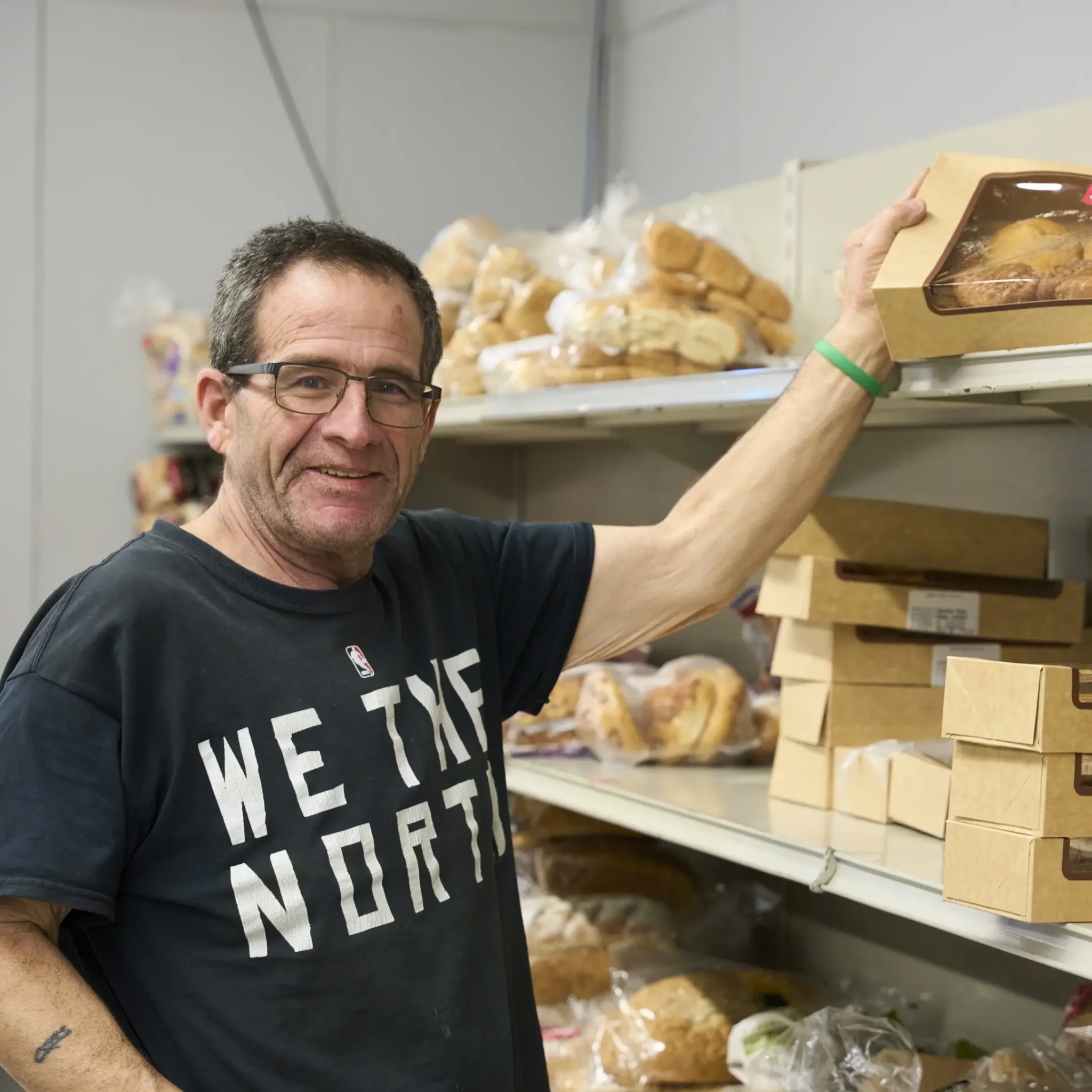
I am so grateful to be able to serve the community by volunteering, but also be able to help supplement my groceries when I come. These are hard times. I thank Regeneration and God for the blessing.
For the first time in years
Since first coming, he’s been back four times. He says he’s eating properly for the first time in years. The anxiety that used to hit him every time he walked into a grocery store, knowing he couldn’t get what his family needed, has started to lift.
“For the first time in years,” he wrote, “I am starting to feel better and better nourished.”
This is what happens when someone has access to real food, chosen by them, without a lineup or a box of whatever’s left over.
It’s what the Marketplace was designed to do.