

Cost of Living Crisis in Canada: Impact on Houselessness

Right now in Canada, families are making impossible choices between rent and groceries. The cost of basic necessities has skyrocketed, pushing more people toward housing instability than we’ve seen in decades. Regeneration Outreach has witnessed this crisis firsthand, serving community members in Brampton who face these daily challenges with dignity and compassion.
The current cost of living crisis in Canada is directly driving increased houselessness and housing instability, as families can no longer afford the basic expenses of housing, food, and transportation on stagnant incomes. From 2023 to 2024 alone, many communities have seen dramatic increases in people seeking support services, with some areas experiencing significant growth in food bank visits.
What the Cost of Living Crisis Means for Canadian Families
Rising Housing, Food & Transportation Costs
Housing costs have become the largest expense for most Canadian families, often consuming 50% or more of monthly income. Rent increases have far outpaced wage growth, leaving families with less money for everything else. Grocery bills that used to cost $150 per week now reach $300 or more for the same items.
Transportation costs add another layer of financial pressure. Public transit fares, gas prices, and vehicle maintenance expenses have all increased significantly. These aren’t luxury items—they’re necessities for getting to work, school, and medical appointments.
How Inflation Affects Community Members Most
People living on fixed incomes feel the impact of inflation most severely. When prices rise but disability benefits, pensions, or minimum wage jobs don’t keep pace, families fall behind quickly. A single unexpected expense—like a car repair or medical bill—can push someone from stable housing into crisis.
Young adults starting their careers and seniors on fixed incomes are particularly vulnerable. These groups often have the least flexibility in their budgets and fewer resources to draw on during tough times. Understanding poverty lines in Ontario helps illustrate how many working families now live precariously close to housing instability.
The Link Between Rising Costs & Housing Instability
When Rent Takes More Than 50% of Income
Housing experts recommend spending no more than 30% of income on rent, but many Canadians now pay 50% or more. When housing costs consume such a large portion of income, there’s little left for food, medication, or emergency expenses. This creates a precarious situation where any financial disruption can lead to eviction.
Landlords are increasing rents at maximum allowable rates, and new rental properties often cost significantly more than older units. Families face the choice of paying unaffordable rent or moving to areas with fewer job opportunities and services.
The Impossible Choice: Food or Housing
Many families now regularly choose between paying rent and buying groceries. Some skip meals during the last week of each month to ensure they can pay housing costs. Others delay paying utilities to afford food, risking disconnection of services.
This isn’t a temporary situation for most families—it’s become their new normal. The stress of constantly managing these impossible choices affects mental health, family relationships, and overall well-being. These challenges often lead to persistent cycles of poverty that become increasingly difficult to escape.
How Families Move from Housed to Houseless
The path from stable housing to experiencing houselessness tends to start off gradual, but it often accelerates suddenly. Families might start by staying with friends or relatives when they can’t make rent. They may live in overcrowded conditions or unsafe housing because it’s all they can afford.
Eventually, these temporary solutions become unsustainable. Families find themselves with nowhere to turn, facing the reality of sleeping in cars, shelters, or on the streets. What once seemed unthinkable becomes their daily reality.
Food Insecurity & Housing Crisis: A Dangerous Combination
What Food Insecurity Really Looks Like
Food insecurity affects families in ways that extend far beyond hunger. When people can’t afford nutritious meals, their health suffers, making it harder to work and maintain a stable income. Food insecurity also creates additional barriers to stability, including:
Skipping meals to pay rent
Choosing between groceries and utilities
Relying on food banks monthly instead of occasionally
Why Community Members Visit Food Banks More Often
Food banks in Brampton Ontario and across Canada are seeing unprecedented demand. People who never imagined needing food assistance now visit regularly to help stretch their budgets. Working families, seniors, and students make up a growing portion of food bank users.
The stigma around accessing food banks is decreasing as more people realize that these services provide necessary support during difficult times. In fact, food banks have become a lifeline that helps families allocate more money toward housing costs.
The Reality in Brampton & the GTA
Rising Numbers in Our Community
Local communities in the Greater Toronto Area are experiencing dramatic increases in people seeking support services. The numbers tell a story of families under increasing financial pressure, with many accessing community resources for the first time.
Community centers and support organizations are adapting to meet this growing demand. They’re extending hours, increasing capacity, and finding new ways to serve more people with dignity and respect. This growing need highlights the importance of comprehensive support services in addressing housing instability.
Who’s Affected Most by Housing Costs
While the cost of living crisis affects everyone, certain groups face particular challenges. Single parents, people with disabilities, seniors, and newcomers to Canada often have the fewest resources to weather financial storms.
Young people aging out of foster care, individuals leaving hospital or correctional facilities, and those dealing with mental health challenges also face additional barriers to securing stable housing.
The Growing Need for Support Services
Community organizations are seeing increased demand for all types of support services. Beyond food assistance, people need help accessing identification documents, connecting with healthcare, and finding affordable housing options.
The need for wrap-around services has become more apparent as families deal with multiple challenges simultaneously. Addressing food insecurity without tackling housing costs only provides temporary relief.
How Community Support Makes a Real Difference
The Role of Food Banks & Community Centers
Brampton food banks and other community organizations provide more than just emergency food assistance. They offer connection, resources, and hope to families navigating difficult circumstances. These spaces become gathering places where people can access multiple services and find community support.
Community centers also provide practical resources like internet access, meeting spaces, and information about other available services. They help people navigate complex systems and connect with the support they need most. Understanding how food banks operate helps communities better support these vital resources.
Why Accessible Support Matters More Than Ever
During times of crisis, accessible support services become lifelines for families. When people can walk into a welcoming space without appointments or complex requirements, they can get help before their situations become more desperate.
This approach recognizes that people know what they need and when they need it. Removing barriers to access helps families get support quickly and maintain their dignity throughout the process.
How You Can Help Your Neighbors Through This Crisis
Community response makes a tangible difference in addressing the cost of living crisis. When neighbors support each other, families can weather difficult times and work toward stability. Small actions create ripple effects that strengthen entire communities.
Your involvement doesn’t require special skills or large financial contributions. Often, the most meaningful help comes from showing up consistently and treating people with respect and kindness.
Ways to Get Involved in Brampton
Small Actions That Create Big Impact
Getting involved in your community can start with simple actions. You might donate non-perishable foods, volunteer a few hours each month, or simply spread awareness about local resources. Every contribution matters and helps build stronger community connections.
Consider what skills or resources you have to offer. Whether it’s helping with paperwork, providing transportation, or sharing a meal, your unique contributions can make a meaningful difference in someone’s life. Learning about essential donation items can help ensure your contributions meet the most pressing needs.
Volunteer Work Brampton Opportunities
Volunteer work in Brampton offers many ways to support community members facing housing and food insecurity. You can help serve meals, sort donations, or provide administrative support to local organizations. Many volunteer opportunities require just a few hours per week, but they all have a lasting impact. Consider:
Volunteer work Brampton opportunities at local community centers
Supporting your local food bank through donations and time
Connecting with community members who need help through friendly conversation and practical support
Regeneration Outreach continues to serve as a caring community where every person can find support, connection, and hope during these challenging times. If you’re looking for ways to help your neighbors or need support yourself, we welcome you to join our community and experience the power of people caring for each other with dignity and respect.
Causes of Food Insecurity

You see it at the checkout counter and at the gas pump—prices for everyday essentials are climbing. For many in our community, this means budgets are stretched thinner than ever before. This financial pressure, a key factor in food insecurity in Canada, forces families to make difficult choices every single day.
Food insecurity is a complex issue driven by low incomes, the high cost of living, and physical barriers that prevent access to nutritious food. It’s not about a lack of food in our country, but a lack of resources to get that food onto the table consistently. Understanding these root causes and learning how to reduce your grocery bill is the first step toward building a community where everyone has enough to eat.
What Is Food Insecurity?
Food insecurity is more than just feeling hungry. It’s the stress and uncertainty of not knowing if you can provide enough healthy food for yourself or your family. It could mean skipping meals so your children can eat or relying on less nutritious options to stretch your budget.
A Look at the 4 Pillars of Food Security
To understand the full picture, it helps to look at 4 key elements. When one of these pillars is weak, a person’s food security is at risk.
Availability: Is there a sufficient quantity of food available?
Access: Can people afford and physically get to the food?
Utilization: Do people know how to prepare nutritious meals with the food they have?
Stability: Is access to food reliable over time, or is it easily disrupted?
An Example of Food Insecurity
Think about having to choose between paying rent on time and buying a week’s worth of groceries. This isn’t a hypothetical situation—it’s a real choice many of our neighbours face. This is often when community programs, like our Marketplace food bank, become a lifeline.
The Connection Between Low Income & Food Insecurity
The main reason people experience food insecurity in Canada is a lack of income. When money is tight, the grocery budget is often the first thing to be cut. Unlike a rent payment or a hydro bill, food costs can feel more flexible, even when they shouldn’t have to be. For many, their income falls well below the poverty line in Ontario, making every day a financial challenge.
Poverty & Underemployment
Having a job doesn’t always protect someone from food insecurity. Low wages or unpredictable hours can make it impossible to cover all your expenses. We see this daily with guests who come to us for support, some of whom also need access to information about other community supports Brampton offers.
Rising Cost of Living
The cost of living has risen dramatically, putting immense pressure on household budgets. We’ve seen this firsthand, with a 58% increase in visits to our Marketplace from 2023 to 2024. When everything costs more, there is simply less money left for food.
How Housing Costs Fuel Hunger
The lack of affordable housing is one of the biggest drivers of food insecurity in our community. When a large portion of your income goes directly to rent or a mortgage, little remains for other basic needs. This forces many to turn to community support to fill the gap.
The Rent or Groceries Dilemma
This is a stressful decision that no one should ever have to face. Yet, it’s a monthly reality for countless people in Brampton. The need for our Marketplace food bank often stems directly from the impossible choice between keeping a roof over your head and putting food on your table.
The Challenge for People Experiencing Houselessness
For neighbours experiencing houselessness, the challenges are even greater. Without a kitchen, a fridge, or a stable place to store food, accessing and preparing meals is incredibly difficult. This is why our daily meal program is so vital. It makes it much harder to break the cycle of food insecurity and poverty.
Physical Barriers to Accessing Food
Sometimes, the problem isn’t just financial. Even if a person can afford groceries, physical obstacles can stand in the way. These barriers can make it tough to get the nutritious food needed to stay healthy.
Food Deserts & Transportation
A “food desert” is an area where affordable, healthy food options are limited or nonexistent. If you rely on public transit and the nearest grocery store is several kilometres away, just getting to the store can be a major hurdle.
Health & Mobility Issues
Chronic health conditions or mobility challenges can make grocery shopping and cooking difficult tasks. For some, this can lead to a reliance on less healthy, processed foods. Our Essential Care Program helps bridge this gap by providing prepared meals and other necessities. For others, it can mean going without food altogether.
How You Can Help Your Neighbours in Brampton
Now that you understand some of the causes, you can be part of the solution. Your compassion and action can create real change for people in our community. Together, we can restore hope, purpose, and dignity.
Support Regeneration Outreach Community
Your donations help us provide warm meals, groceries, and other essentials to our neighbours. Every gift is an act of love that helps us create a welcoming and caring community. You can help us show every person that they are valued.
Consider Volunteer Work Brampton
Giving your time is one of the most powerful ways to make a difference. We have many opportunities for volunteering in Brampton, Ontario, from serving in our kitchen to helping in our Marketplace. Your hands-on help directly supports those who need it most.
Help Build a Brampton Where Everyone Belongs
At Regeneration Outreach Community, we are a caring community committed to walking alongside our neighbours with dignity and respect. When you support our work, you help build a Brampton where everyone feels they belong. Join us today to help restore hope and make a lasting impact.
How Can We Help Our Community Through Volunteering?

We often find ourselves caught up in our busy lives but taking time out of our schedules to give back to our community can have a profound impact. Giving back or getting involved in your community can be in the form of donating your time or donating goods.
Volunteering is an act of selflessness, compassion, and generosity that can benefit individuals in need and also your community by:
Building a stronger community
Positively transforming and uplifting a community
Fostering a warm and caring environment for all
What Is Volunteering?
Volunteering is the time you give to improve others’ quality of life. Volunteer opportunities in your community to serve those experiencing homelessness or who live in extreme poverty can include the following:
Kitchen duties
Serving meals
Assist with providing clothes
Sorting food
Administration
Maintenance
At Regeneration Outreach Community, we offer the following program volunteer opportunities:
Main outreach centre: Breakfast and lunch kitchen and clothing room volunteers.
Regeneration marketplace: Assisting in our food bank that provides reliable food sources to help vulnerable individuals and families.
Regeneration thrift store: Volunteer opportunities include donation receiving, pricing, floor associate, and cashier.
Group volunteering: For family members, church groups, or co-workers.
Finding the Right Volunteer Opportunity
Not sure where to volunteer? Here are some questions to help you decide:
What is important to you?
What skills do you want to share or develop through volunteering?
What setting works best for you?
Is there anyone you know who would join you in volunteering?
What challenges does your community face?
How Volunteering Can Help Your Community
Volunteering has many benefits for volunteers, such as learning new skills, creating a sense of belonging, expanding social and business contacts, and staying active. But it can also contribute to the upliftment of a community in several ways.
Foster Connections & Build Relationships
Volunteering provides a unique opportunity to connect with people from diverse backgrounds and build meaningful relationships. By working together towards a common cause, volunteers create a sense of unity and belonging within the community. This human interaction can foster empathy, understanding, and tolerance, ultimately strengthening the social connection of the community.
Address Social Issues
Volunteering plays a crucial role in addressing social issues that impact your community. Whether it’s for poverty or homelessness, volunteers dedicate their time and skills by actively participating in initiatives that tackle these challenges to bring about positive change.
Meet Basic Needs
Volunteering involves helping people access the essential care they deserve. Volunteers can help people in their community access basic needs for a dignified life by providing food, hygiene services and products, and clothing.
Positive Impact
Volunteering impacts the mental and physical well-being of individuals and communities alike. Volunteering promotes a sense of purpose and fulfillment, can help reduce stress and anxiety, and positively changes the lives of individuals and the community.
Volunteering is a powerful catalyst within communities as they lead by example and inspire others to get involved and make a difference. Their humanitarian efforts often serve as a source of motivation, encouraging individuals to look beyond their immediate needs and contribute to a community-wide transformation and the greater good of their communities.
Strengthen Local Organizations
Volunteering is crucial for supporting and strengthening local organizations that work tirelessly together to uplift a community. Non-profit organizations heavily rely on volunteers to carry out their mission and expand their impact. Through their time, expertise, and dedication, volunteers help them deliver essential services and programs to those in need.
What Kind of Volunteer Are You?
No matter how much time you have or how new you may be to volunteering, there are flexible options to suit your lifestyle.
Short-Term Volunteering
This type of volunteering works for anyone who might not have much time to give. Short-term volunteering can include one-time volunteering or volunteering on a short-term basis. If you find you enjoy volunteering and have more time to give, you can transition to long-term volunteering.
Long-Term Volunteering
When you may have more time and want to join a volunteer team on a regular basis, volunteering long-term can create long-lasting relationships with a sense of belonging and camaraderie.
Volunteer & Make a Difference
Volunteering has the potential to uplift and transform individuals and communities by fostering connections, addressing social issues, meeting people’s basic needs, strengthening organizations, and inspiring positive change.
When you volunteer, you help impact the well-being and happiness of individuals within their community. If you’re ready to embrace the spirit of volunteerism and dedicate your time to help build a compassionate community that thrives on generosity, kindness, and love for one another, contact Regeneration Outreach Community for more information on short and long-term volunteer opportunities.
10 Essential Items People Experiencing Homelessness Need

When people in the community are experiencing homelessness or are seeking temporary accommodations, every item they own becomes precious. The simple things many people take for granted — like clean socks or a safe place to store belongings — suddenly become daily challenges that affect their health, safety, and sense of dignity.
People experiencing houselessness need ten fundamental items: clean undergarments, weather-appropriate clothing, personal hygiene supplies, first aid materials, non-perishable food, water storage, identification documents, bedding, sturdy bags for belongings, and connection to supportive community resources. Organizations like Regeneration Outreach understand these needs and work to provide comprehensive support for people facing these challenges.
How Basic Needs Change When You Don’t Have A Home
Your daily routine transforms completely when you can’t turn a key and walk into your own space. Tasks that once took minutes now require hours of planning and searching.
Finding clean water becomes a daily quest. You need to locate public washrooms, community centres, or friendly businesses that allow access. Staying clean requires carrying supplies and finding private spaces for basic hygiene.
Food storage becomes impossible without refrigeration. You can only buy what you can eat immediately or carry safely. Weather protection means having everything you own ready to move at a moment’s notice. Understanding what houselessness truly involves helps communities provide better support for these daily challenges.
Clothing & Protection That Makes A Real Difference
Clean Socks & Underwear
Fresh undergarments prevent serious health problems when you can’t shower daily. Your feet suffer the most when you’re walking constantly, and clean socks help prevent painful infections, blisters, and frostbite during Brampton’s harsh winters.
Weather-Appropriate Outerwear
A warm coat can mean the difference between survival and hypothermia when temperatures drop. You need layers that you can add or remove as weather changes throughout the day. Waterproof jackets keep you dry during Ontario’s unpredictable storms.
Climate change continues to create more extreme weather patterns, making proper clothing even more important for people experiencing houselessness.
Sturdy Footwear
Your shoes become your most important possession when you’re constantly moving. Waterproof boots protect your feet from snow, ice, and wet conditions. Proper footwear prevents injuries that could become serious without easy access to medical care.
Personal Care Items That Restore Dignity
Hygiene Needs
Basic cleanliness helps you maintain your health and self-respect. Important items include:
Toothbrush and toothpaste for oral health
Soap, shampoo, and deodorant for daily cleaning
Feminine hygiene products for monthly needs
Hand sanitizer when water isn’t available
Access to feminine hygiene supplies remains particularly important for maintaining dignity and health among women experiencing houselessness.
First Aid Supplies
Minor cuts and scrapes can become serious infections without proper treatment. Bandages, antiseptic wipes, and basic medications help you treat small injuries before they become bigger problems.
Sunscreen & Lip Balm
Spending long hours outdoors exposes you to sun damage and harsh weather. These simple items protect your skin from painful burns and cracking that can lead to infections.
Food & Nutrition Support
Non-Perishable Food Items
You need food that won’t spoil without refrigeration. Canned goods, protein bars, and dried fruits provide nutrition when you can’t access regular meals. Easy-to-open containers work when you might not have can openers or utensils.
Many people don’t realize what food banks truly need beyond typical donations, including nutritious proteins and easy-to-prepare meals.
Water Bottles & Containers
Clean drinking water becomes scarce when you can’t turn on a tap. Durable water bottles let you store clean water when you find it. Having backup containers means you won’t go thirsty between water sources.
Practical Items For Daily Living
Identification Documents
We can take our piece of identification for granted and not realize how essential they are to daily living. People experiencing homelessness may lack a reliable piece of identification, and that can create additional problems such as an inability to apply for jobs or social programs. An ID clinic at the local care program can help homeless people access essential pieces of identification.
Sleeping Bags & Blankets
Quality bedding provides warmth and comfort when shelter space isn’t available. A good sleeping bag protects you from ground cold and moisture. Extra blankets add important warmth during extreme weather.
Backpacks & Storage
Backpacks can be a convenient way to store all sorts of smaller items and carry them throughout the day. Backpacks in good shape are a constant need. They can help provide a form of organization and peace of mind knowing where specific items are.
How to Help Your Brampton Community
Whether you’re looking to help out people experiencing homelessness or doing your own research, these are some items that can have an impact and help people experiencing homelessness through their daily lives.
Contact your local care program for more information and see how you can help today.
Why Corporate Sponsorship Matters in the Fight Against Homelessness

As a business leader in Brampton, you help shape our community’s strength and vitality. Your support can create powerful, positive change for individuals who are precariously housed or living in extreme poverty. Discover how a corporate partnership can benefit your business while uplifting our entire community.
Corporate sponsorship matters because it provides the sustainable resources needed to address the root causes of houselessness, creating a stronger local economy and a more compassionate community for everyone. This partnership offers tangible benefits to your company, enhances your brand, and engages your employees in meaningful work.
How Houselessness Affects Local Businesses and the Community
When our neighbours face instability, the effects are felt across the community, including the local economy. A thriving community is one where every person has the support they need to succeed. Your investment in community well-being helps create a more stable and prosperous environment for all.
The Economic and Social Impact
Supporting local organizations addresses the root causes of poverty and food insecurity. This strengthens the local workforce and fosters a healthier economic climate for businesses to grow. A community where people feel safe and supported is a community where businesses can flourish.
Your Role as a Community Leader
Your business is more than just a workplace; it is a cornerstone of Brampton. By sponsoring programs that help people find stability, you show a deep commitment to the well-being of your customers and neighbours. This leadership inspires others and builds a legacy of compassion.
The Tangible Benefits of Corporate Partnership
Partnering with a community organization like Regeneration Outreach offers more than the good feeling that comes from giving back. It provides concrete benefits that can strengthen your business from the inside out.
Enhance Your Brand Reputation
Customers and clients often choose to support businesses that align with their values. A public commitment to helping people in your community shows that your company cares. This builds trust, loyalty, and a positive brand image that resonates with the public.
Boost Employee Morale and Engagement
Engage your team in meaningful work to foster a powerful sense of shared purpose. Corporate sponsorship can include opportunities for teams to volunteer together. This can improve job satisfaction and create a more connected, positive work environment.
Build Stronger Community Connections
Partnerships with local non-profits ground your business in the community, helping you build stronger community connections with other leaders, residents, and organizations. You become known as a company that is truly invested in Brampton’s future.
Corporate Support and Sustainable Community Growth
Address poverty and food insecurity not just as an act of charity, but as a way to build a sustainable and resilient future for our city. Your support helps create long-term solutions that make our community stronger for generations to come.
Why Community Health Is a Sustainability Issue
A community cannot be truly sustainable if its members lack access to basic needs like food and shelter. By supporting organizations providing shelter in Brampton or a local food bank, you invest in our city’s social foundation. This is essential for long-term economic and environmental health.
Create Lasting Solutions
One-time donations are always helpful, but sustained corporate sponsorships allow organizations to plan for the future. Your partnership helps fund programs that provide skills, resources, and stability. This empowers people to achieve long-term independence rather than just meet a temporary need.
Practical Ways Your Business Can Make a Difference
Get involved in a way that is straightforward and tailored to fit your company’s goals and resources. Every contribution, big or small, has a direct and meaningful impact on your neighbours.
Financial Sponsorships: Direct financial support is one of the most effective ways to help. It allows us to allocate funds where they are needed most, from keeping our Brampton food bank stocked to providing warm meals and safe spaces.
In-Kind Donations: Your company can donate products or services that support our operations or directly benefit the people we serve. This is a practical way to use your company’s unique strengths to help others.
Employee Volunteer Programs: Organize team volunteer days. It is a great team-building activity that makes a real difference in people’s lives and connects your staff to the community.
Cause-Related Marketing: Launch a campaign where a portion of your sales is donated to Regeneration Outreach. This engages your customers in your community support efforts and shows your public commitment.
Partner with Regeneration Outreach Today
Join us in our mission to build a caring community where everyone is treated with dignity and respect. Your partnership can help provide hope and vital resources to our neighbours who need it most.
A Look at Our Impact
Regeneration Outreach has been a trusted presence in Brampton, offering low-barrier, compassionate support. The need in our community is growing rapidly, with a 58% increase in visits to our Marketplace from 2023 to 2024. Your help allows us to meet this rising need with kindness and care.
How to Get Started
Start a corporate partnership in a few simple steps. We can work with you to create a customized partnership plan that aligns with your company’s philanthropic goals. Whether you want to make a financial gift or set up a volunteer day, we are here to collaborate with you.
Contact Us for Partnership Opportunities
Are you ready to make a difference? Contact our Regeneration Outreach team today to learn more about how your business can become a corporate sponsor. Together, we can build a stronger, more compassionate Brampton for all.
How Can I Help People Experiencing Homelessness

When you see a neighbour struggling in your community, it’s natural to want to help. But you might be wondering about the most effective ways to offer meaningful and respectful support.
You can help people experiencing houselessness through a combination of direct compassionate support, donations of time or resources to local organizations, and advocacy for long-term change. Every action, big or small, contributes to a community where every person is seen, heard, and valued. It all starts with a commitment to kindness and a willingness to get involved.
Offer Direct & Compassionate Support
What’s the Best Way to Support People Experiencing Homelessness?
Focus on practical items that help meet immediate needs and make a tough day a little easier. These items can be helpful if you’d like to offer something tangible to someone who is panhandling, or they make great donations to a trusted local charity that already has meaningful relationships with people experiencing homelessness. Consider:
Care kits with hygiene products like toothbrushes, soap, and lip balm
New socks and weather-appropriate gear like hats or gloves
Bottled water and non-perishable, easy-to-eat snacks
Gift cards to coffee shops or grocery stores for a warm drink or a meal
Connect with Respect & Dignity
Sometimes, the most valuable thing you can offer is simple human connection. A friendly smile, a nod, or a brief, respectful conversation can affirm a person’s dignity. Acknowledging someone’s presence reminds them that they are a part of our community.
Donate Items & Funds to Local Organizations
Give Essential Supplies
Organizations are on the front lines every day, and your support can help them meet the practical needs of the people they serve. Local community hubs often have a list of the items they need most. You can donate essential supplies to help their programs run smoothly and effectively.
Support a Brampton Food Bank
Access to nutritious food is a cornerstone of well-being. Donations of non-perishable items help community members get the food they need for themselves and their families. When you support a food bank in Brampton, you help ensure that no one in our community has to go hungry.
Why Financial Gifts Matter
Monetary donations give organizations the flexibility to respond to needs as they arise. These gifts can help cover operational costs, fund outreach programs, and provide specialized support services that go beyond basic needs.
Even small monthly donations can make a big difference. Giving regularly, in whatever amount fits your budget, helps organizations plan ahead and provide consistent, reliable support that people experiencing homelessness can count on throughout the year. Your financial support powers the steady, compassionate assistance that keeps our community strong.
Volunteer Your time
Find a Role That Fits You
Your time and skills are valuable, and volunteering is a powerful way to make a direct impact. Many organizations offer roles that match different interests and schedules. Common volunteer opportunities include:
Serving meals in a community kitchen
Sorting donations at a local food bank
Assisting with community outreach programs
Improve Your Own Well-Being
When you give back to your community, you often receive just as much in return. Many volunteers find that helping others brings them a greater sense of purpose and connection. It’s a way to nurture your own mental health while supporting your neighbours.
Build Community Connections
Volunteering is a great way to meet new people who share your passion for helping others. You can build friendships and a supportive network grounded in a shared purpose. Together, you help weave a stronger social fabric for everyone.
Advocate for Long-Term Systemic Change
What Is the Best Way to Address Houselessness?
Lasting solutions often require a community-wide effort that gets to the root causes of poverty and housing instability. This involves looking at the bigger picture and thinking about how our systems can better support everyone. True change happens when we work together toward a common goal.
How Can We Help the Housing Crisis?
You can make a difference by supporting policies and local initiatives aimed at creating a more equitable community. This includes advocating for more affordable housing, fair wages, and accessible mental health care. Your voice can help drive progress on these important issues.
Educate Yourself & Others
Take the time to learn about the complex reasons people experience houselessness and poverty. When you share what you learn with your friends and family, you help challenge common myths and stereotypes. This fosters a more understanding and compassionate community for all.
How Regeneration Outreach Helps Our Community
Our Services & Programs
We provide a safe, welcoming space where everyone is treated with dignity and love. Our low-barrier, person-centered support means anyone can walk in and find help—no appointments, no judgment. We offer warm meals, access to health care, ID support, and most importantly, friendship and community.
Join Our Mission
Your support—whether through donations of items, funds, or your time—makes our work possible. Every contribution helps us continue to serve the Brampton community with kindness and respect. Together, we can restore hope, purpose, and dignity for our neighbours.
Explore Volunteering in Brampton Ontario
Discover how your skills and time can make a difference right here at home. We have many opportunities for you to get involved and become part of our caring community. Your presence can bring warmth and hope to someone’s day.
Every act of kindness contributes to a more supportive and caring Brampton. At Regeneration Outreach, we see the impact of this generosity every single day. If you’re ready to take the next step, we invite you to learn more about our work and how you can join us.
From Rock Bottom to Renewal: A Journey of Recovery
My addiction started in my teens; it quickly went from partying on weekends to using every day. At the beginning of my addiction, I was able to somewhat function. I had a career as a Dental Assistant, a beautiful son and husband. Unfortunately, drugs took that all from me. In 2016 my husband died from an overdose. Within months of losing him, I lost my job, a place to live and custody of my son. I quickly found myself homeless on the streets. From 2017-2023 I was living in tents, in and out of shelters, detox and panhandling for money. I had lost all care for myself. The only time I would shower and eat was at Regeneration, during the winter it would be a warm place to sleep (during the day). Regeneration became a lifeline. The staff there would show me love and genuine care, something I didn’t know how to show myself. More trauma and grief unfolded during these years, and I wanted my life to end. In September 2023, I found myself in the hospital due to drugs but with the help of my mom and Regeneration, was in treatment at Teen Challenge by October. It was here that I learned to love myself and see how God was always working in my life. What the staff does at Regeneration is what God calls us to do. Love one another. I’ll be clean for 2 years on September 13th. I have my son back, my family and even started working at Teen Challenge. When I finally surrender and followed God’s will for me, life became beautiful, worth living and blessed.
I have my son back, my family and even started working at Teen Challenge. When I finally surrender and followed Gods will for me. Life became beautiful, worth living and blessed. From the depths of addiction and unimaginable loss, I’ve emerged with a renewed sense of purpose and hope. My struggle began in my teens, spiraling from weekend partying to daily drug use that eventually cost me my career, my home, my family, and nearly my life. After losing my husband to an overdose in 2016, I found myself homeless and broken, surviving on the streets for years with no sense of self-worth or purpose. Regeneration became a lifeline—a place where I felt seen, cared for, and loved when I couldn’t love myself. In 2023, I ended up in the hospital due to the drugs from there, I entered treatment at Teen Challenge, where I discovered healing, faith, and the strength to rebuild. Today, I’m almost two years clean, reunited with my son and family, and working to help others find the light I once thought was lost. My story is a testament to the power of surrender, grace, and the unwavering love that God calls us to share.
How Volunteering Benefits Your Mental Health
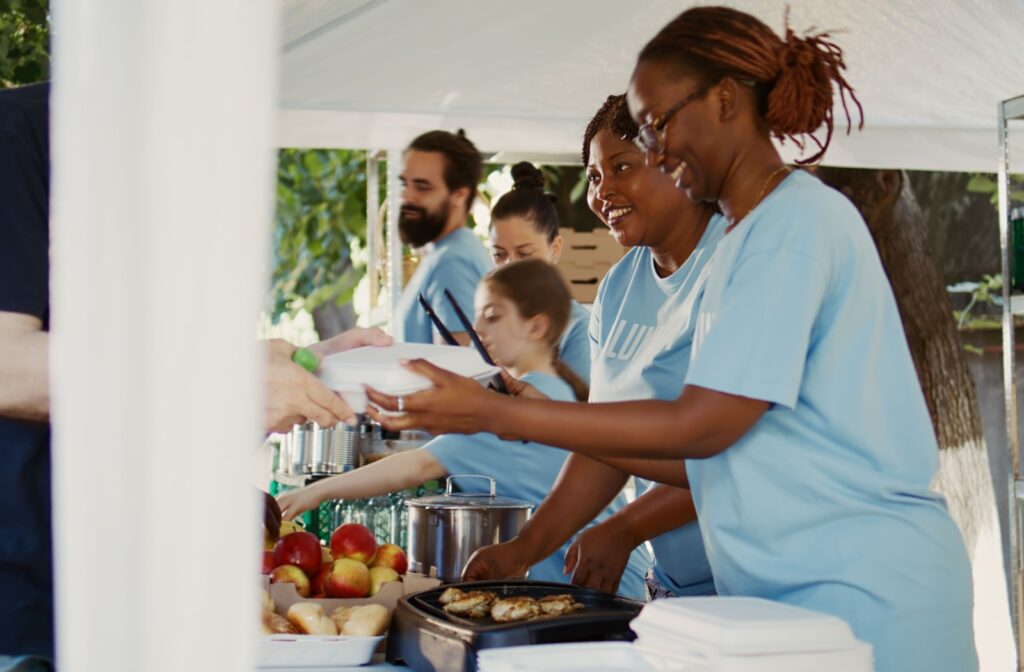
In our busy lives, it’s easy to feel disconnected or search for a deeper sense of purpose. We often look for ways to improve our well-being, and one of the most powerful paths is found in helping others. Giving your time not only supports your community but also offers incredible benefits for your own mental and emotional health.
The act of volunteering can improve your mental health by fostering a sense of purpose, reducing stress, and building strong community connections. When you give back, you connect with others and become part of something larger than yourself. This creates a positive feedback loop that can lift your spirits and change your perspective.
Find Purpose & Meaning Through Service
Dedicating your time to a cause you believe in can provide a renewed sense of direction. Focusing your energy on helping others can offer a healthy distraction from your own troubles. It keeps you mentally stimulated and engaged in a meaningful way.
Your role as a volunteer can become a positive part of your identity. Knowing you are making a difference—however big or small—is a wonderful feeling. This can help you feel more fulfilled and proud of the contributions you make.
Reduce Stress & Improve Your Mood
Spending time in service to others can trigger positive feelings in your brain. This “helper’s high” comes from the satisfaction of making a compassionate choice. These positive emotions can have a lasting effect on your overall mood and outlook.
Volunteering can also help counteract the effects of stress and anxiety in your daily life, which is especially important given the strong link between mental health and houselessness. Focusing on your volunteer tasks and the gratitude you receive can help you feel more balanced. You may even notice improvements in your well-being, such as:
Lower rates of depression
Reduced anxiety
Increased positive feelings
Build Social Connections & Fight Loneliness
Volunteering is a great way to meet new people and build a supportive community based on common values. You get to interact with people from diverse backgrounds who share your passion for the cause.
Working together on a shared activity is one of the best ways to make new friends and strengthen existing bonds. It allows you to practice your social skills in a comfortable and supportive setting. Many people find that volunteering alongside friends or family brings them closer together.
Boost Your Confidence & Self-Esteem
The work you do as a volunteer is valuable and creates tangible results. Each task you complete contributes to a larger goal, providing a powerful sense of accomplishment. Seeing the impact of your efforts can be incredibly rewarding.
When you feel good about yourself, you are more likely to have a positive outlook on your life and future. Serving others can raise your self-esteem and give you more confidence in your abilities. This positive cycle helps you see the good you are capable of.
Who Gets the Most from Volunteer Work?
Benefits for Older Adults
Many older adults find that volunteering offers significant health benefits, especially those 60 and over. Volunteers often report better physical health and a stronger sense of connection than non-volunteers. It’s a fantastic way to stay active and engaged with the community.
Positive Effects for People of All Ages
While older adults see strong benefits, volunteering helps people of all ages and stages of life. It provides valuable life experience, teaches new skills, and offers a chance to explore different interests. It’s a rewarding activity for anyone looking to grow and contribute.
How You Can Make a Difference in Brampton
You can make a real difference in your community by supporting people experiencing houselessness. There are many places to volunteer in Brampton, and your time and kindness can restore hope, purpose, and dignity to your neighbours.
Taking that first step is easy, and your help is always welcome. Contributing to a local Brampton food bank or with services that support people in need can uplift your community and your own well-being. Hear real volunteer stories in our YouTube video to see the impact firsthand. At Regeneration Outreach, we are a caring community that welcomes anyone who wants to help, and we invite you to join our team of volunteers.
Why Should I Donate to Charity?

Giving back to your community can be one of the most rewarding experiences of your life–regardless of your income level. From personal fulfillment to tangible community benefits, charitable giving creates ripple effects that extend far beyond the initial donation.
But why should donating to charity matter to you personally? Beyond simple altruism and the well-being of others, giving to charity boosts your own well-being, provides tax benefits, and builds stronger communities where we all thrive.
At Regeneration Outreach Community, transparency is at the forefront of everything we do. Without your thoughtful contributions, the work we do wouldn’t be possible. Thank you for your ongoing support.
The Personal Benefits of Charitable Giving
Of course, giving to charity supports those navigating challenging times, but it can also have a profound effect on you, the giver. These benefits go beyond the immediate act of generosity.
Enhanced Well-being & Mental Health
Research consistently shows that giving to others triggers positive emotions and reduces stress. When you donate to charity, your brain releases endorphins—the same chemicals associated with exercise and other feel-good activities.
This “helper’s high” isn’t just temporary; regular charitable giving has been linked to improved long-term mental health and life satisfaction. Many donors report feeling a sense of purpose and connection to something larger than themselves.
Building Community Connections
Charitable giving connects you to your local community in meaningful ways.
When you support grassroots movements, you become part of a network of people working toward common goals. This sense of belonging strengthens social bonds and creates opportunities for deeper community involvement.
Volunteering can further enhance these connections, introducing you to like-minded people and providing firsthand insight into how your contributions make a difference.
Developing Financial Perspective
Regular charitable giving can help put your own financial situation in perspective. Setting aside funds for charity requires budgeting and planning–skills that benefit your overall financial health.
In addition, seeing how your donations address basic needs like food, shelter, and healthcare can foster gratitude for your own circumstances while motivating continued generosity.
The Community Impact of Your Donations
The impact of your contributions extends far beyond the immediate recipient. It creates a ripple effect in your community that fosters unity, connection, support, and progress. With time and consistency, you can notice a positive change.
Addressing Critical Local Needs
Charitable organizations are vital safety nets in communities across Canada, filling gaps that government programs cannot fully address.
Regeneration Outreach Community, for example, offers comprehensive programs that include essential care and healthcare services that directly support vulnerable members of our Brampton community and surrounding areas.
Your donations help fund these critical services, so that they remain available to those who need them most.
Creating Sustainable Change
Nonprofits don’t just provide temporary relief. They work toward sustainable solutions that address the root causes of problems. Your donations support programs that help people build skills, find employment, access healthcare, and develop independence.
This creates lasting positive change in communities, breaking cycles of poverty and disadvantage while building stronger, more resilient neighbourhoods.
Multiplying Impact Through Collective Action
Every contribution matters. You might think a $25 donation is small on its own, but when combined with contributions from hundreds of other community members, it can fund substantial programs and services.
This collective effort allows charities to plan long-term initiatives, invest in equipment and infrastructure, and provide consistent support to those who need it.
Tax Benefits & Financial Incentives
There’s no doubt that giving back feels amazing. But when we add tax incentives into the mix, the appeal of giving to charity only increases.
Federal & Provincial Tax Credits
The Canadian government provides generous tax credits for charitable donations, making giving more affordable than many people realize. These credits directly reduce your taxes owed, making your charitable dollars stretch further.
Strategic Tax Planning
You can incorporate charitable giving into broader tax planning strategies.
If you’re a high-income earner, donations can help reduce taxable income while supporting meaningful causes that resonate with you. Some donors even find it beneficial to cluster donations in particular years to maximize tax advantages.
Donating appreciated assets such as stocks can provide additional tax benefits while avoiding capital gains taxes. If you have an investment portfolio, this is an efficient way to support charities.
Corporate Donation Opportunities
Corporate donations are a meaningful way for businesses to give back while also enhancing their reputation and fostering goodwill.
Workplace Giving Programs
Many employers offer workplace giving programs that make charitable donations convenient and tax-efficient. These often include payroll deduction options, matching donation programs, or opportunities to support specific local charities.
Some companies partner with local organizations, like our own, to create targeted giving campaigns that address specific community needs while engaging employees in meaningful corporate social responsibility initiatives.
Corporate Partnership Benefits
Businesses that establish ongoing relationships with charitable organizations often find benefits beyond simple donations. These partnerships can:
Enhance company reputation and community standing
Provide team-building opportunities through volunteer activities
Create networking opportunities with other community-minded businesses
Demonstrate corporate values to employees and customers
We’re happy to collaborate with corporate partnerships, creating a relationship that benefits us both.
Creating Lasting Change Through Generosity
Charitable giving represents an investment in the kind of community you want to live in.
The decision to donate shouldn’t be driven by guilt or obligation, but by the recognition that we all benefit when our communities thrive.
Whether you choose to support local organizations like Regeneration Outreach Community or other causes that resonate with you, the important step is to begin. Start with amounts that feel comfortable, research organizations that align with your values, and consider ways to deepen your involvement over time.
Make your mark however you can. Leave us a small donation or connect with our Regeneration Outreach Community team to learn how you can volunteer with us.
Is Homelessness Increasing in Canada?

Whether it’s alarming news headlines or the sight of more tents on downtown streets, you may be wondering if the population of unhoused people in Canada is increasing. This is a difficult question to answer, as measuring this population can be complex, but certain reports do show an increased number of unhoused individuals.
People can become unhoused for many reasons, including domestic violence, poor health, or simply as a consequence of relocating. Learning about the nuances of this national issue can promote more compassion and understanding.
Defining “Homelessness”
Before we delve into the statistics, it’s helpful to define what “homelessness” really means. While words like “homeless” or “unhoused” may conjure up images of people living in tents on the street, the reality is that not everyone experiencing homelessness fits this image. Many individuals without a fixed address live in shelters, vehicles, or temporarily with friends or family, often in ways that are less visible to the public.
In “A Review of Canadian Homelessness, 2023,” a research paper published by Statistics Canada, there are 4 main categories of unhoused status:
Unsheltered: This is the most visible form of being unhoused and is what most people think of when they hear the word “homeless.” The unsheltered population typically live in public or private spaces in temporary structures like tents.
Emergency sheltered: This population lives in temporary housing such as non-profit organizations, shelters for people leaving domestic abuse, and shelters for people affected by natural disaster.
Provisionally accommodated: Sometimes called the “hidden homeless,” this population includes people who “couch surf” with friends or family, people who are living in hotels, and people in transitional housing such as those built for immigrants and refugees.
At risk: People at risk of becoming unhoused are not necessarily “homeless,” but should be considered when thinking about housing issues because their circumstances can help us understand why people become unhoused. This population includes those who have recently lost their jobs or are in domestic abuse situations. It can even include people who are spending more than 30% of their take-home income on housing.
A Note on Language
In this blog post, we sometimes use the term “homelessness” because it remains a familiar term, and because it’s the term used in the reports we reference. However, there is a growing interest in using terms like “unhoused” or “houselessness,” as they’re more inclusive of people who may not have a traditional dwelling, but who do have a place to call home (e.g., a car, a tiny home, or another community).
Language matters because the words we use can affect how we perceive others. You can read more about the impact of language in this previous blog post.
Statistics on Homelessness
As the Statistics Canada report mentions, measuring whether the unhoused population has grown is difficult and complex. Locating unhoused individuals can be difficult, stigma can discourage people from identifying themselves, and people’s situations can change rapidly. Nevertheless, here are a few studies that seek to answer the question of whether Canada’s unhoused population has increased.
National Shelter Study 2023
The National Shelter Study from Housing, Infrastructure and Communities Canada includes data from the years 2005 to 2023. It asks how many people use the shelter system, but it only covers around 70% of emergency shelter beds in Canada. It also doesn’t take into account domestic abuse shelters, transitional housing, and shelters for immigrants and refugees.
Here are some key findings from this report:
There was a dramatic drop in shelter use in 2020 during the Covid-19 pandemic, but by 2023, shelter use was comparable to 2019 numbers.
An estimated 27.6% of people living in shelters met the definition of chronic homelessness, compared to 29.8% in 2022. But if we apply these percentages to the number of unhoused individuals, there is an increase in the number of people experiencing chronic homelessness in 2023.
Indigenous Peoples are over-represented in the population of shelter users, but veterans are proportionally represented. The vast majority of shelter users are Canadian citizens.
Everyone Counts 2020-2022
Everyone Counts 2020-2022 is a Point-in-Time (PiT) Count, which means it’s a “one-day snapshot” of a community’s unhoused population. This report includes people who are unsheltered, sheltered, or in transitional housing.
Here are some key findings from this report:
The number of unhoused people increased by 20% between 2018 and 2020-2022 among 67 communities that had this data. However, this may be at least partially attributed to better survey methods.
Indigenous individuals and veterans were over-represented, accounting for 31% and 5% of people surveyed.
28% of people surveyed said insufficient was their main reason for becoming unhoused.
Association of Municipalities of Ontario
“Municipalities Under Pressure” is a collaborative report led by the Association of Municipalities of Ontario, with HelpSeeker Technologies crunching the data. They use the term “known homelessness” to refer to those “known to the homelessness-serving system.”
Here are some key findings from this report:
An estimated 81,515 people in Ontario experienced known homelessness in 2024, which is a 25% increase from 2022.
It’s estimated that in 2024, more than half of unhoused cases were chronically unhoused.
Between 2016 and 2024, there was an estimated 204% increase in known homelessness in Northern Ontario.
Support for Community Members
People become unhoused for many reasons. While data can be helpful when learning about housing issues, people aren’t numbers; they’re individuals with rich lives, unique stories, and personality quirks.
We consider everyone who walks through Regeneration Community Outreach a valued member of the community, no matter their living situation. Need support? Explore our essential care program for necessities like food, showers, and computers. You can also find groceries and household items at our Marketplace. If you have more questions or are interested in volunteering, contact us directly.