

Is Homelessness Increasing in Canada?

Whether it’s alarming news headlines or the sight of more tents on downtown streets, you may be wondering if the population of unhoused people in Canada is increasing. This is a difficult question to answer, as measuring this population can be complex, but certain reports do show an increased number of unhoused individuals.
People can become unhoused for many reasons, including domestic violence, poor health, or simply as a consequence of relocating. Learning about the nuances of this national issue can promote more compassion and understanding.
Defining “Homelessness”
Before we delve into the statistics, it’s helpful to define what “homelessness” really means. While words like “homeless” or “unhoused” may conjure up images of people living in tents on the street, the reality is that not everyone experiencing homelessness fits this image. Many individuals without a fixed address live in shelters, vehicles, or temporarily with friends or family, often in ways that are less visible to the public.
In “A Review of Canadian Homelessness, 2023,” a research paper published by Statistics Canada, there are 4 main categories of unhoused status:
Unsheltered: This is the most visible form of being unhoused and is what most people think of when they hear the word “homeless.” The unsheltered population typically live in public or private spaces in temporary structures like tents.
Emergency sheltered: This population lives in temporary housing such as non-profit organizations, shelters for people leaving domestic abuse, and shelters for people affected by natural disaster.
Provisionally accommodated: Sometimes called the “hidden homeless,” this population includes people who “couch surf” with friends or family, people who are living in hotels, and people in transitional housing such as those built for immigrants and refugees.
At risk: People at risk of becoming unhoused are not necessarily “homeless,” but should be considered when thinking about housing issues because their circumstances can help us understand why people become unhoused. This population includes those who have recently lost their jobs or are in domestic abuse situations. It can even include people who are spending more than 30% of their take-home income on housing.
A Note on Language
In this blog post, we sometimes use the term “homelessness” because it remains a familiar term, and because it’s the term used in the reports we reference. However, there is a growing interest in using terms like “unhoused” or “houselessness,” as they’re more inclusive of people who may not have a traditional dwelling, but who do have a place to call home (e.g., a car, a tiny home, or another community).
Language matters because the words we use can affect how we perceive others. You can read more about the impact of language in this previous blog post.
Statistics on Homelessness
As the Statistics Canada report mentions, measuring whether the unhoused population has grown is difficult and complex. Locating unhoused individuals can be difficult, stigma can discourage people from identifying themselves, and people’s situations can change rapidly. Nevertheless, here are a few studies that seek to answer the question of whether Canada’s unhoused population has increased.
National Shelter Study 2023
The National Shelter Study from Housing, Infrastructure and Communities Canada includes data from the years 2005 to 2023. It asks how many people use the shelter system, but it only covers around 70% of emergency shelter beds in Canada. It also doesn’t take into account domestic abuse shelters, transitional housing, and shelters for immigrants and refugees.
Here are some key findings from this report:
There was a dramatic drop in shelter use in 2020 during the Covid-19 pandemic, but by 2023, shelter use was comparable to 2019 numbers.
An estimated 27.6% of people living in shelters met the definition of chronic homelessness, compared to 29.8% in 2022. But if we apply these percentages to the number of unhoused individuals, there is an increase in the number of people experiencing chronic homelessness in 2023.
Indigenous Peoples are over-represented in the population of shelter users, but veterans are proportionally represented. The vast majority of shelter users are Canadian citizens.
Everyone Counts 2020-2022
Everyone Counts 2020-2022 is a Point-in-Time (PiT) Count, which means it’s a “one-day snapshot” of a community’s unhoused population. This report includes people who are unsheltered, sheltered, or in transitional housing.
Here are some key findings from this report:
The number of unhoused people increased by 20% between 2018 and 2020-2022 among 67 communities that had this data. However, this may be at least partially attributed to better survey methods.
Indigenous individuals and veterans were over-represented, accounting for 31% and 5% of people surveyed.
28% of people surveyed said insufficient was their main reason for becoming unhoused.
Association of Municipalities of Ontario
“Municipalities Under Pressure” is a collaborative report led by the Association of Municipalities of Ontario, with HelpSeeker Technologies crunching the data. They use the term “known homelessness” to refer to those “known to the homelessness-serving system.”
Here are some key findings from this report:
An estimated 81,515 people in Ontario experienced known homelessness in 2024, which is a 25% increase from 2022.
It’s estimated that in 2024, more than half of unhoused cases were chronically unhoused.
Between 2016 and 2024, there was an estimated 204% increase in known homelessness in Northern Ontario.
Support for Community Members
People become unhoused for many reasons. While data can be helpful when learning about housing issues, people aren’t numbers; they’re individuals with rich lives, unique stories, and personality quirks.
We consider everyone who walks through Regeneration Community Outreach a valued member of the community, no matter their living situation. Need support? Explore our essential care program for necessities like food, showers, and computers. You can also find groceries and household items at our Marketplace. If you have more questions or are interested in volunteering, contact us directly.
Can Anyone Go to a Food Bank?

Food insecurity can affect anyone. Food banks are designed to help those in need, without judgment or unnecessary barriers.
Most food banks are open to anyone facing food insecurity, regardless of income level, employment status, or background, and aim to make access as simple and welcoming as possible. Whether you’re dealing with temporary hardship or ongoing challenges, these community resources are here to help.
At Regeneration Outreach Community, we’re committed to offering not just food, but dignity, support, and hope. If you or someone you know needs assistance, you’re not alone—compassionate help is always available.
What Is a Food Bank & Who Can Use One?
A food bank is a service that provides groceries and basic necessities to individuals and families in need, often supported by donations of food, funds, and time from the local community. These services are designed to reduce food insecurity by providing access to nutritious meals.
Food banks are generally open to anyone who needs them. There’s no requirement to “qualify” as a certain type of person, and many food banks operate with hospitality and inclusion at the forefront of their mission.
Benefits of Visiting a Food Bank
Access to Nutrition
Food banks aim to provide well-rounded options, from fresh fruits and vegetables to shelf-stable staples. This is meant to promote physical health and help families get the food they need to cook wholesome meals at home.
Cost Saving
For low-income families or individuals facing temporary financial strain, cutting down on grocery expenses can provide much-needed relief. Using a food bank can help you redirect those savings toward other essentials, like housing or medical bills.
A Sense of Community
Food banks like The Regeneration Marketplace emphasize hospitality and connection. Whether you’re chatting with a volunteer or sharing stories in our inclusive space, food banks are more than a service—they’re a place to feel seen and supported.
Specialized Resources
Many food banks offer additional services, such as:
Tasting notes and recipes to make the most of the items you receive.
Access to clothing or hygiene products.
Community programs, workshops, and events.
How to Access a Food Bank
If you’re considering visiting a food bank, the steps are straightforward. Here’s what to expect:
Search for Nearby Food Banks
Look for food banks in your local area through online directories, community centers, places of worship, or organizations like Regeneration Outreach Community.
Check Their Operating Hours
Food banks typically have specific hours, often aligning with the availability of volunteers. Some may also offer appointment systems to ensure you’re served quickly and efficiently.
Gather Any Necessary Information
While many food banks, including ours, don’t require proof of income, some may ask you to register with basic details (such as your name or address) to understand the volume of people they’re serving.
Visit the Food Bank
When you arrive, expect a warm welcome. Volunteers or staff will guide you through how the process works. At Regeneration Outreach Community, we’ve created a marketplace-style food bank, allowing you to choose items most suited to your needs.
Stay Connected
After your visit, stay informed about new opportunities or programs. Many food banks share updates about seasonal offerings, workshops, or expanded services.
Why Community Matters
At Regeneration Outreach Community, hospitality, hope, integrity, and love are the values that drive everything we do. When we talk about food banks, we’re not just focused on food but also on fostering a deep sense of belonging.
We not only want to support individuals but also create a ripple effect of kindness and care across the community:
For individuals and families: We provide more than just sustenance. We treat everyone with dignity and genuine compassion.
For volunteers: Working with us means developing friendships, growing through shared experiences, and giving back with others.
For donors: By contributing to our food bank’s mission, you become part of a collective effort to uplift those in need. It’s not just about the donations but about being part of a story that restores hope.
If you’re interested in getting involved, don’t hesitate to reach out to our team for more information!
How You Can Support Food Banks
Food banks thrive on community support. Even if you’re not accessing a food bank but want to make a difference, here are ways to help:
Donate: Contributions of food, money, or time go a long way. A $10 donation can help provide several meals to a family in need.
Volunteer: Join our growing team of volunteers who ensure every visitor feels valued and respected. From stocking shelves to listening to someone’s story over coffee, your time could make someone’s day better.
Advocate: Spread the word about food banks. By sharing accurate information about who can access services, you’re helping to break down stigma and encourage those in need to seek help.
Find Help at Regeneration Outreach Community
If you or someone you know is struggling, remember this: food banks like The Regeneration Marketplace exist because no one should have to face food insecurity alone. It’s not only okay to ask for help, it’s a sign of strength and resilience.
When you walk through our doors, you’re met with more than groceries. You’re met with kindness, love, and a community that truly cares. Explore our marketplace, connect with our volunteers, or simply take that first step toward support. We’re here for you.
Need help today? Visit the Regeneration Outreach Community website to find more information about our food bank hours, volunteer opportunities, or ways to contribute. Every meal served is one step closer to a brighter, more hopeful future.
What Is the Poverty Line in Ontario?

Living in Ontario is a tale of contrasts. We can see a province brimming with opportunity, diversity, and incredible growth. Yet, many of our neighbours struggle to meet their basic needs.
The poverty line is more than a statistic for people facing financial hardship. It’s a daily reality that influences housing, food, health, and every facet of life.
The Market Basket Measure (MBM), Canada’s official poverty line, calculates the poverty line for a single person as approximately $2,302 per month, which translates to $27,624 annually.
Another widely used measure, the Low-Income Measure After Tax (LIM-AT), defined Ontario’s poverty line in 2021 as $26,570 for a single person or $53,140 for a family of 4.
These values vary between provinces and municipalities.
We invite you to join us in creating a brighter future for our neighbours. Together, we can make a difference.
Defining Ontario’s Poverty Line
About 1 in 7 Canadians live in poverty.
The poverty line refers to the minimum level of income deemed adequate to live in a specific location. The line varies from province to province and even within municipalities, depending on the cost of living.
While Canadians measure the poverty line in multiple ways, let’s examine 2 main measurements: LIM-AT and MBM.
LIM-AT
The Low-Income Measure After Tax (LIM-AT) defines the poverty line with a focus on income distribution, which can help compare how the bottom end of the income distribution compares to the broader middle class.
The LIM-AT is a national measurement that doesn’t account for regional differences in living costs.
Statistics Canada calculates and adjusts this value based on 50% of the median household annually. In 2021, this meant $26,570 for a single-person household and $53,140 for a family of four.
Note that these numbers only include basic living expenses, like housing, utilities, food, and clothing. Nothing more.
Now, in vibrant cities like Toronto and surrounding areas like Brampton (where housing prices continue to skyrocket), think about how quickly these costs can add up. When you’re living close to this poverty line, every dollar counts. But, it’s often not enough to make ends meet.
It’s far more complex than simply “earning” or “saving more.”
MBM
The Market Basket Measure (MBM) was adopted as Canada’s official poverty line in June 2019. The MBM calculates the minimum income needed to afford a basic basket of goods and services. It takes regional differences into account, so low-income thresholds vary across Canada.
The MBM benchmark varies based on family size and location (city, rural area, etc.). It defines the poverty line for a single person in Ontario as $2,302 per month, which translates to $27,624 annually.
To get a clearer picture, here’s how the poverty line for a family of 4 has changed for Torontonians based on the Toronto Census Metropolitan Area (CMA):
$49,304 in 2019
$55,262 in 2022
$57,531 in 2024
While the MBM can offer a more precise measure of deep poverty, when a person has a household income below 75% of the poverty line, it still only includes household expenses classified as basic needs. It doesn’t capture expenses like childcare or prescription medication.
Vulnerability to Housing Instability
One of the most visible signs of poverty is housing instability.
According to the Canadian Mortgage and Housing Corporation, housing is considered affordable when it accounts for less than 30% of a household’s pre-tax income. However, this threshold is often impossible to meet for those living below Ontario’s poverty line.
Many Canadians spend over 50% of their income on housing, a far cry from the 30% affordability criteria.
Brampton, in particular, faces unique challenges.
The city’s growing population and limited affordable housing options mean many families are forced to choose between rent and other essentials, such as food and medicine. Sadly, this creates a cycle of financial stress, where households teeter on the edge of housing instability.
At Regeneration Outreach Community, we work with many people who are experiencing homelessness or at risk of it. Contrary to common stereotypes, these people include parents juggling 2 jobs, seniors on fixed incomes, and young people aging out of foster care.
No one should have to choose between paying for heat and groceries. Unfortunately, it’s a heartbreaking reality for many in our community.
Ending the Stigma
When we picture someone experiencing homelessness, our assumptions often fail to reflect the full complexity of their situation. It’s far too easy to reduce people to their circumstances, forgetting their humanity, stories, and resilience.
The roots of housing instability are deep and complex, often tied to systemic issues such as the widening gap between wages and housing costs, limited access to affordable preventative healthcare, and the scarcity of mental health services.
A sudden job loss or family crisis (problems we can’t always prepare for) can trigger a devastating domino effect, making it challenging to keep up with rent or basic needs.
These hardships, compounded by a lack of safety nets, push people and families into precarious situations where maintaining stable housing becomes a daily struggle.
We believe that addressing these systemic barriers requires a compassionate, community-driven approach. Connecting people with resources and essential services can support long-term stability.
Whether that’s helping someone find temporary shelter, crafting a plan to regain financial security, or offering a kind word of reassurance, our mission is to stand beside those who need it most.
When the whole community works together, we can begin to turn the tide, uplifting our neighbours and fostering a future where everyone has a safe place to call home.
How You Can Make a Difference
An African proverb that says, “If you want to go far, go together.” Addressing poverty and housing instability requires a collective effort, and there are so many ways you can make a difference in your community.
Donate
Your donations to Regeneration Outreach Community directly support essential services, including meals, clothing, and housing assistance for Brampton’s most vulnerable residents.
Even a small amount can have a big impact!
Volunteer
As a volunteer, your time, energy, and dedication bring smiles to our community members. As we continue to grow, a helping hand makes it possible for us to pursue our mission.
From our Essential Care Program, which meets immediate needs, to our Marketplace initiative, which provides access to affordable foods, your involvement strengthens the sense of community we all share.
Advocate
Speak out in support of affordable housing initiatives and poverty reduction programs in Ontario. Educate your network, attend local meetings, and write to your elected representatives.
Advocacy is how systemic change begins.
Spread Hope This Spring
Poverty closely intertwines with housing instability. They are community challenges that require community-oriented solutions.
As we celebrate hope and renewal this season, let’s extend that compassion by giving back. Whether creating care packages, participating in food drives, or simply sharing a kind word, your actions can inspire others to do the same.
Connect with the Regeneration Outreach Community to get involved!
Unknown Challenges a Homeless Person Faces

Individuals dealing with homelessness face numerous obstacles, but some are more visible than others. Beyond immediate needs such as food and shelter, people experiencing homelessness also require resources and environments to improve their circumstances and take back their lives.
From being unable to obtain reliable identification, difficulty accessing healthcare, and lack of access to clean clothes and personal hygiene equipment, a person experiencing homelessness faces a spectrum of challenges on a daily basis.
Regeneration Outreach provides access to numerous services to help people who are dealing with homelessness. Below, we’ll share our firsthand knowledge of the surprising challenges that come with being unhoused and tell you what you can do to help end homelessness in our community.
What Factors Contribute to Homelessness?
At least 36% of all Canadians have either experienced homelessness themselves or know someone who has. Numerous factors can increase the risk of homelessness for a given person, including:
Income inequality
Lack of affordable housing
Lack of family or community support
Limited access to public services
Limited access to resources for mental health and addiction issues
Systemic discrimination
However, many people tend to conflate these potential causes of homelessness with the resulting challenges homelessness can bring. As such, there is a lack of proper public awareness regarding some of the most significant struggles people face while unhoused.
What Are the Challenges of Homelessness?
Homelessness presents a range of complex challenges that impact nearly every part of a person’s life. Without access to safe and stable housing, individuals face constant uncertainty, exposure to harsh weather, and an increased risk of violence. Basic needs like food, healthcare, and hygiene become difficult to manage, and without a fixed address or reliable transportation, finding and keeping a job is an ongoing struggle. These barriers can make it nearly impossible to break the cycle of homelessness without support.
Some of the needs that people living with homelessness have are easy to identify, but others are much less obvious. Having enough nutritious food to eat and a place to sleep are undoubtedly important. However, people who are coping with homelessness have other vital needs as well—and working to end homelessness requires us to be aware of them all.
Reliable Identification
Living without official identification can create additional barriers for those seeking to overcome homelessness. Not only do people facing homelessness require ID to apply for most jobs and social programs that could help improve their circumstances—but being homeless can make it harder to obtain an ID in the first place.
Applying for most forms of government ID requires the applicant to have specific literacy skills, enough money to pay the accompanying fees, and other forms of documentation to verify their identity. The longer a person has been struggling with homelessness, the harder these criteria can be to meet—and for people who grew up unhoused, they can be impossible obstacles to overcome alone.
For these reasons, Regeneration Outreach runs an ID Clinic specifically designed to help people who are unhoused obtain birth certificates. Having a birth certificate makes it easier for a person to apply for other forms of identification, secure employment, and feel human.
Healthcare
Many people experiencing homelessness do not have access to adequate healthcare. In Ontario, proof of address is mandatory for procuring an OHIP card, which allows the bearer to access provincial health services. As such, people who do not have a permanent address can find themselves unable to use even the most fundamental public health resources.
Regeneration Outreach offers physical and mental health support through our weekly Life Skills classes. We also provide additional resources through our Addiction Services program and have access to a nurse practitioner through our partnership with Peel Outreach. We work closely with all our community members to learn about their individual needs and strive to connect them with appropriate health care services.
Clean Clothing
People who are living without a home face difficulties cleaning their clothes. Many are also in need of new clothing but unable to purchase it for themselves. Regeneration Outreach approaches this problem in several different ways:
Our laundry services provide public access to washers and dryers 6 days a week, with laundry soap and dryer sheets provided. We also run a Clothes Closet to help community members replace worn-out clothing for numerous purposes—protection from the elements, preparing for job interviews, and more.
Access to Personal Hygiene Equipment
Staying clean and presentable is about more than being comfortable—it’s also about maintaining dignity. Unfortunately, the vast majority of people experiencing homelessness face challenges accessing many luxuries that others take for granted, such as showers and haircuts.
We provide access to hot showers through our facilities every day of the week during program hours, along with soap, shampoo, and fresh towels. We also partner with a licensed stylist to provide free haircuts during breakfast hours on Mondays and every other Saturday.
Physical Safety
Structural violence and homelessness are closely linked, leading to lower life expectancy rates for people who are unhoused. We accept as many guests as we can at Regeneration Outreach and work hard to maintain a stable environment where every individual in our care is safe at all times.
Our Life Skills program includes classes on anger management training and relationship building, which contribute to safer and more stable conditions for the people we serve and those around them. Our culture is one of empowerment and respect.
Join Us In Fighting Homelessness
Homelessness creates a diverse spectrum of urgent challenges for the people who experience it and the people who love them. Our work at Regeneration Outreach allows these people to access various resources that can help them solve these problems, but we can always use help from the community at large.Whether you want to donate, provide essential items, or volunteer your time, we are always ready to accept your support with open arms. Contact us today and find out how you can become an ally in the struggle to end homelessness once and for all.
Food Bank Donation Checklist

Food banks are a vital resource in our community that can help provide food and support for those in need. While it’s common to associate food bank donations with holidays or colder months, the truth is that the need for assistance exists throughout the year.
So what items do food banks need? There are some items food banks need all year round, including non-perishable items, personal care items, and perishables, and with rising food prices, the need is currently higher than ever. Knowing what your food bank needs can help you make a lasting impact for individuals and families experiencing food insecurity in Brampton.
Break the Seasonal Stereotype
Hunger is not seasonal. It doesn’t take a vacation during the warmer months, only to visit during the holidays. The need for food assistance persists throughout the year, affecting individuals and families regardless of the season.
While generous donations during peak times are heartwarming, hunger knows no boundaries of time or weather.
As temperatures rise, so does the misconception that a food bank needs less. This means those hazy summer days present unique challenges for food banks. Donations tend to decrease during summer, resulting in potential gaps in assistance, and many food banks face the chance of running out of food during this time of year.
The reality is that even without the December chill, individuals and families still face financial hardships and require support to put food on their tables. But, by recognizing this seasonal dip, we may be able to change the general trend and help feed those experiencing food insecurity, even when the weather is warm.
The Rising Cost of Food
The rising cost of food affects everyone, but its impact is exceptionally hard-hitting for those already struggling with food insecurity, making it difficult to afford an adequate supply of nutritious food. As grocery bills increase, budgets shrink, leaving many with no choice but to turn to food banks for assistance.
The need for food bank services has been steadily increasing, fueled by the economic challenges of inflation. Families who once managed to get by now find themselves relying on food banks to meet their most basic needs. The strain placed on food banks is growing as they work tirelessly to ensure no one goes hungry.
Your donations can help make a difference in the lives of those affected.
Food Bank Donation Checklist
You can check your local food bank to see what food donation items the community needs the most, but some items are required on a regular basis. A food bank generally needs a stock of grains, proteins, fruits and vegetables, and pantry staples with a high shelf life.
Non-Perishable Food Items To Donate
When considering food donations, non-perishable items are a great place to start. These items have a long shelf life and are versatile, making them ideal for stocking food bank shelves.
Essential non-perishable food items include:
Canned goods (vegetables, beans, soups, fruit, & meat)
Pasta & sauce
Powdered milk
Boxed mac & cheese
Granola bars
Oil
Cereal (hot & cold)
Baby food/formula
Tea bags
Peanut butter
Jelly
Juice boxes
Items for school lunches
Personal Care & Hygiene Products
Some people forget, but a food bank can be about more than just food. Basic personal care needs are often overlooked when it comes to donations but still vital for overall well-being.
Consider donating personal care items, such as:
Toothpaste
Soap
Shampoo
Deodorant
Sunscreen
Baby diapers
Feminine hygiene products
Dish soap
These essentials can make a world of difference in someone’s life, reminding them that they matter and are cared for.
Food Rescue Programs & Perishable Food
It is generally encouraged to donate non-perishable food items and personal care products, as they are consistently the items that are of greatest need in a food bank. But, organizations like Regeneration Outreach Community partner with grocers, food suppliers and producers who help supply their food bank with perishable food items. This food rescue program helps bring in thousands of pounds of perishable items every week to the food bank and in turn provides fresh food for so many individuals and families.
Food rescue requires a lot of time and effort from staff and volunteers, and Regeneration’s food rescue team is always looking for new volunteers who can pick up and deliver these donations on a weekly basis. Are you interested in getting involved? Please visit our volunteer page to get started!
What Not to Donate to a Food Bank
When donating to a food bank in Brampton, it’s important to know which items are most useful. Homemade meals, expired goods, or opened packages can’t be accepted due to health and safety regulations. Instead, focus on non-perishable items, shelf-stable items like canned proteins (tuna, beans, chicken), pasta, rice, peanut butter, baby formula, and ready-to-eat soups. These types of donations are the most practical and helpful for serving individuals and families in our local community.
When in doubt, consider nutritious items with a long shelf life that you’d want to have on hand during a challenging time. If you have questions about what to donate or what not to donate to a food bank, don’t hesitate to contact us.
Community Care All Year Round
The commitment to fighting hunger goes beyond seasonal giving.
Your contributions matter. Your sustained support throughout the year helps Regeneration Marketplace meet rising needs for support and bridge the seasonal gaps. We serve hundreds of families and individuals each week—donate today and keep the meals coming.
Together, we can work for a future where no one in our community goes hungry.
How Do I Fundraise For Charity?

When it comes to supporting charitable causes, especially those making a visible difference in our community, knowing how to raise funds effectively is an important skill. The typical answer lies in combining creativity, passion, and community support.
Raising funds for impactful organizations like Regeneration Outreach Community is a great opportunity for Ontario residents and health-conscious individuals looking to give back. Whether you participate in third-party events or take matters into your own hands, there are countless ways to make an impact. Below, we’ll share fundraising ideas that can inspire and guide you to make a tangible difference.
Why Fundraising Makes a Difference
The funds you raise can help charities like Regeneration Outreach Community expand their programs and services. For instance, Regeneration provides essential care, health programs, community support, and spiritual guidance to Brampton’s most vulnerable residents. Every dollar counts, helping to provide meals, healthcare, and vital resources to those who need them most.
Join Third-Party Events
One of the simplest and most effective ways to raise money is by participating in established charity events or even creating your own.
Here’s how you can make the most of third-party events:
Register to participate: Sign up for events like Regeneration Outreach’s Annual Rick Robson Golf Tournament and encourage your family, friends, and network to sponsor you.
Share your story: Tell others why Regeneration is meaningful to you. Personal stories resonate and inspire others to contribute.
Team up: Form a group with friends, co-workers, or your fitness club. Fundraising together often leads to greater success.
By tapping into an established event, you’ll gain access to resources, a sense of community, and a clear framework for your fundraising efforts.
How to Host a Charity Event in Your Community
If you’re looking to create your own fundraising event, Regeneration Outreach Community has created an informative guide on the steps to take to plan and execute your own fundraising event to support your local community in Brampton.
Planning your own charity event is a fantastic way to engage your local community. From small gatherings to larger celebrations, the possibilities are endless. Here are just a few ideas:
Community Bake Sale
Combine your love for baking with your desire to support a good cause. Host a bake sale in your neighbourhood, school, or church, with proceeds going to Regeneration. Adding a health-conscious twist—like whole-grain muffins or lower-sugar treats—can resonate with your audience.
Fitness Fundraising Class
Organize a yoga session, Zumba class, or 5K fun run and charge participants a small entry fee. You could host the event in a rented park or partner with a local gym. Tie the challenge to Regeneration’s work, emphasizing how the funds raised will directly impact those in need.
Raffle or Silent Auction
Contact local businesses to donate items or services for a raffle or silent auction. Proceeds can support Regeneration’s Essential Care or Health Care Programs, drawing a connection to how the funds benefit individuals in need.
Leveraging Online Fundraising Platforms
Sometimes, the easiest way to fundraise is by going online. Creating a crowdfunding campaign on platforms like GoFundMe or Facebook Fundraisers allows you to reach a wide audience—even beyond Ontario. Here’s how to make online campaigns successful:
Set a realistic goal: Clearly outline how much money you hope to raise and explain how it will help Regeneration’s programs, like their Meal Program or Marketplace.
Use social media for promotion: Share details about the fundraiser on Instagram, Facebook, or LinkedIn. Consistent updates with heartfelt messaging will help generate interest.
Engage with donors: Thank every donor personally online or offline. Acknowledging their contributions builds goodwill and trust.
Corporate & Workplace Initiatives
If you’re employed by a business, consider organizing a fundraising initiative at your workplace:
Corporate matching programs: Ask your company if they offer donation matching. Many organizations will match employees’ contributions, doubling the impact.
Office bake off or team lunches: Encourage co-workers to participate in a bake-off or lunch fundraiser where proceeds go straight to charity.
Dress-down or theme days: Charge employees to participate in a casual or theme day, like “Jeans Friday” or “Crazy Hat Day,” with all funds directed to organizations like Regeneration Outreach Community.
Not only do these events raise money, but they also foster team spirit and workplace camaraderie.
Engage Your Friends & Family
Reaching out to loved ones might feel challenging, but friends and family are often eager to support a cause you’re passionate about. Here’s how to get them involved:
Set Up a Pledge Campaign: Ask for small pledges in exchange for completing a fun challenge, like running 10K or learning a new skill.
Host a Dinner Night: Invite friends and family over for a meal, sharing stories about how organizations like Regeneration help those in need. Request a suggested donation for attending.
Remember, meaningful conversations can go a long way in rallying support for your fundraising goals.
Make a Difference Today
There are many creative and impactful ways to raise money for charity, whether by joining events, hosting your community initiative, or leveraging online tools. By supporting organizations like Regeneration Outreach Community, you contribute to programs that directly help Brampton’s most vulnerable populations.
Be sure to contact us today for more information on how you can get involved with giving back to your local community.
How Can I Reduce My Grocery Bill In Canada?

In Canada, the rising cost of food has become an increasingly pressing issue, especially for individuals and families who are already living on limited resources. Food inflation, combined with the ongoing challenges of precarious housing and homelessness, has created significant barriers to accessing nutritious meals.
At Regeneration Outreach in Brampton, we are committed to helping those who are experiencing homelessness, food insecurity, and extreme poverty, and we recognize that every person’s journey is unique. In this post, we will explore ways to reduce your grocery bill, such as meal planning, buying in bulk, and sticking to store perimeters, while also shedding light on how food inflation affects the most vulnerable in our society.
The Impact of Food Inflation in Canada
In 2024, Canada’s food inflation rate increased by 2.8% overall, with some grocery staples like meat, dairy, and produce seeing price hikes of up to 10% in certain areas. This rise has made it more difficult for many Canadians, especially those already struggling financially, to afford essential food items.
Looking ahead, Canada’s Food Price Report 2025 predicts that Canadian families will spend up to $801 more on food compared to last year, while 8.7 million Canadians are already living in food-insecure households. These rising costs are creating even greater challenges for vulnerable people across the country.
The Impact on Vulnerable Populations
For the homeless and those who are precariously housed, food insecurity is an ongoing crisis. Last year, Food Banks Canada’s HungerCount report revealed that over 2 million Canadians visited food banks monthly, a record high, with one-third of those clients being children. Additionally, racialized groups and Indigenous people are at a higher risk of experiencing food insecurity due to systemic inequalities, geographic isolation, and economic disparities.
As food costs climb, many of the most vulnerable individuals in our society are forced to make difficult choices between purchasing food and meeting other basic needs like shelter, healthcare, and transportation. This is why it’s crucial for all of us to find ways to reduce our grocery bills, not only for ourselves but also in support of the broader community.
How Can I Lower My Grocery Bill?
There are several strategies you can use to reduce your grocery bill without sacrificing the quality of your meals. Here are 10 practical tips that can help you save money while still providing nourishing food for yourself and your family.
Make a shopping list and meal plan: Plan meals in advance and create a detailed shopping list to avoid impulse purchases. Focus on items that are on sale or in season for the best value.
Avoid buying hygiene products: Grocery stores often markup non-food items. Buy toiletries and cleaning supplies at discount stores or pharmacies.
Buy generic products: Generic products are often just as good as name brands but cheaper. Switch to store brands for staples like pasta, rice, canned goods, and dairy to save money.
Stick to the store’s perimeter: Consider your primary products that are usually along the outer edges of the store where fresh produce, meat, dairy, and bread are located. Avoid the middle aisles with expensive, processed foods.
Shop during the quietest days of the week: Shops are less crowded and may have better sales on quieter days, like Tuesday or Wednesday. Shopping during off-peak times can help you save.
Shop alone if you can: Shopping alone helps avoid distractions and impulse buys, preventing you from picking up extra items you don’t need.
Pay with a grocery rewards card: Many grocery stores offer loyalty programs that allow you to earn points or discounts with every purchase. Signing up for these programs can result in meaningful savings over time.
Buy items in bulk and freeze the extras: Buy bulk items like grains and pasta to reduce the cost per unit. Freeze extra meat or produce to avoid paying more for smaller portions.
Buy produce that is in season: In-season produce is cheaper, more flavorful, and nutritious. You can also freeze or can extras to enjoy year-round.
Shop on a full stomach: Shopping while hungry can lead to impulse purchases, especially snacks and non-essential items. Eat before shopping to stick to your list and avoid buying unnecessary items.
How Much Should Groceries Cost Per Month in Canada?
The average Canadian household spends approximately $1,227 per month on groceries, depending on the size of the family and their dietary needs. For a single person, this can be closer to $300 to $400 per month.
However, the cost can be much higher for larger families or households with special dietary requirements, such as those who follow vegetarian, gluten-free, or organic diets. The rising cost of food in Canada means that these amounts are likely to increase, putting additional strain on those living on lower incomes.
The Food Insecurity Vulnerability of Racialized Groups and Indigenous People
Food insecurity disproportionately affects racialized groups and Indigenous people. In many Indigenous communities, particularly those in remote northern regions, grocery prices are up to three times higher than in urban centers due to the cost of transportation and supply chain challenges. For racialized groups in cities, food insecurity is often compounded by discrimination, underemployment, and lack of access to affordable housing.
In Brampton, many of our neighbors face these systemic barriers every day. To truly support those experiencing homelessness and food insecurity, we must acknowledge the link between food insecurity and broader social issues like racial inequality and limited access to nutritious food.
Support Regeneration Marketplace and Make a Difference Today
While reducing your own grocery bill is important, it’s equally essential to support the most vulnerable in our community. The Regeneration Outreach Marketplace in Brampton provides quality food and household items to those in need, offering not just groceries, but a welcoming community. Your donation can make a real difference.
We gratefully accept food and goods Tuesday through Saturday, helping hundreds of families and individuals each week. Consider donating today to support your neighbors and help us continue this important work!
How Does Climate Change Affect Homelessness?

As climate change continues to disrupt weather patterns and intensify natural disasters, its effects are felt most acutely by vulnerable populations. In Canada, one of the groups hit hardest by these changes are those experiencing homelessness.
The warming climate, extreme weather events, and environmental displacement all combine to create a dangerous and growing challenge for individuals without stable housing. This article will explore how climate change impacts homelessness, and why it is more urgent than ever to support those in need.
The Health Risks of Climate Change for Individuals Experiencing Homelessness
Climate change has a direct impact on the health of people experiencing homelessness, especially as weather extremes become more frequent.
Extreme Heat
One of the biggest health risks associated with climate change is extreme heat. Canada is warming at about twice the global average, with temperatures rising faster in urban areas where many individuals experiencing homelessness are concentrated. Cities like Toronto, Brampton, and Montreal are seeing more frequent and intense heat events. During heatwaves, individuals experiencing homelessness are particularly at risk because they lack access to cooling systems and centres.
Heat-Related Illnesses: Prolonged exposure to high temperatures can lead to heat exhaustion, dehydration, and heatstroke. Without immediate care, these conditions can be fatal. For people experiencing homelessness, finding relief during these hot periods is incredibly difficult, putting their health in immediate danger.
Poor Air Quality
Air pollution is worsening due to factors such as wildfires and industrial emissions, both of which are increasing because of climate change.
Wildfire Smoke and Respiratory Health: Wildfires have become the new normal, especially in provinces like British Columbia, Alberta, and Ontario. The 2023 wildfire season, for example, brought widespread smoke across several regions, significantly affecting air quality. People experiencing homelessness are at increased risk of developing respiratory conditions like asthma, bronchitis, and other chronic lung diseases.
Harsh Winters
Natural disasters, including heavy storms and flooding, can destroy shelters and displace people. Extreme weather can lead to injuries, infections, or even fatalities if individuals experiencing homelessness are not able to find shelter in time.
Cold Weather and Hypothermia Risks: In Canada, harsh winters are a reality. When temperatures drop below freezing, individuals experiencing homelessness are at risk of hypothermia, frostbite, and other cold-related illnesses. Without access to adequate clothing or heated shelters, they face life-threatening situations during the winter months.
How Climate Change Exacerbates Social Inequities
Climate change is not only a direct physical threat; it also amplifies existing inequalities for marginalized groups like low-income individuals, racial minorities, Indigenous peoples, and those with disabilities.
Vulnerable Housing Situations
Many low-income households live in older homes that are more at risk from extreme weather, such as flooding, storms, and temperature extremes. In southern Ontario, for example, increased rainfall and rising temperatures are causing more frequent flooding. Renters often can’t afford repairs after disasters, and landlords may not fix damage. This increases the risk of eviction, leaving people homeless after extreme weather events.
Lack of Insurance or Financial Resources
Many people on the brink of homelessness can’t afford insurance, leaving them unprotected when disasters strike. Without flood or home insurance, they have fewer options for recovery, making it harder to stay housed. This lack of financial resources often leads to displacement, worsening the cycle of homelessness.
Climate Change and the Growing Housing Crisis
Climate change is contributing to Canada’s housing crisis by increasing the frequency of extreme weather events, which displace people from their homes and reduce the already limited supply of affordable housing.
Displacement & Housing Shortages
Every year, millions of people worldwide are forced from their homes due to extreme weather, and many of them come from areas with high housing demand. As these extreme weather events become more common, the pressure on already scarce affordable housing will continue to grow. In the Greater Toronto Area, where housing is already in short supply, it will become even harder for those experiencing homelessness to find safe, stable housing.
What Can Be Done?
Addressing the intersection of climate change and homelessness in Canada requires action at every level—government, organizations, communities, and individuals.
At Regeneration, we provide life-saving support to those experiencing homelessness by providing our guests with food, clothing, and other essential services. By supporting our programs, whether through donations, volunteering, or advocacy, you can make a real difference in the lives of vulnerable individuals facing homelessness in Brampton and across Ontario.
Together, we can help build a more resilient community that ensures no one has to face the devastating effects of climate change alone. Help us help others.
Essential, Health, & Community Care: Resources At Regeneration
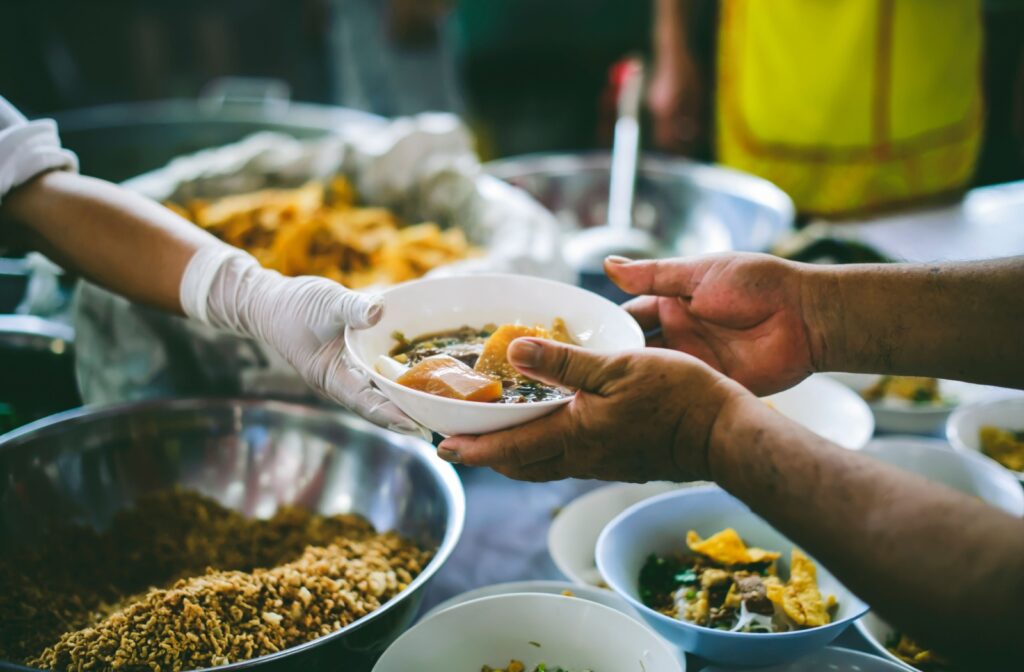
Through various essential, health, and community care services, Regeneration Outreach Community is committed to offering resources to meet immediate needs and guide people toward long-term stability and dignity.
Finding the proper support can make all the difference when life brings unexpected challenges. That’s why the Regeneration Outreach Community stands as a beacon of hope, compassion, and practical assistance for people who are struggling in Brampton.
Supporting Immediate Needs with Essential Care
Every aspect of life can feel like an uphill climb when basic needs go unmet. Regeneration understands this and prioritizes essential care services that address the most immediate concerns, including hunger, hygiene, and clothing.
Hot Meals
We serve hot and hearty meals daily to combat hunger and provide energy for the day ahead for our guests. The typical meal schedule is:
Breakfast is served 7 days a week
Lunch is served 5 days a week
Special holiday dinners are offered throughout the year
The Marketplace
We offer a food bank that provides access to weekly food items people can take home to feed their families. A grocery-style food bank like this helps keep our community fed throughout the week.
Clothing, Showers, & Laundry
People in need of clothing can get gently used clothing to stay warm in the winter or dress confidently for job interviews. We also provide facilities for personal hygiene along with the clean clothes to help people feel refreshed and maintain their dignity.
These services are often life-changing for people facing economic challenges, offering much-needed relief and a sense of hope for tomorrow.
Community Health & Wellness Services
Good health isn’t just the absence of illness—it’s overall well-being. Regeneration Outreach Community helps individuals improve their physical, emotional, and mental health through wellness services. By addressing health and wellness issues, our organization provides people with more than just survival support—they get the tools to thrive.
Community Health Support
Regeneration Outreach Community offers guidance and referrals for medical care, first aid, assistance getting to appointments or seeking emergency care, or anything else we can do to ensure our guest’s health.
Personal Health Kits & Medical Education
The personal health kits we give our guests come filled with hygiene essentials like soap, toothpaste, and other items to support daily care. By partnering with respected medical professionals, we can offer empowering medical education to help guests improve their daily lives.
Fostering Connection Through Community Care
No one should face life’s struggles alone. Regeneration Outreach Community works to create an empowering sense of community to help people move in a positive direction. We do this by offering several community-focused services.
Service Collaboration
Organizations like the Salvation Army or the Canadian Mental Health Association (CMHA) provide tangible value to many people. By acting as a hub and partnering with these types of organizations in Brampton, we can connect those in need with them.
Life Skills & Social Integration
When things out of our control are happening, enjoying a moment of respite can be a welcome change. We give our guests this respite by providing ways for them to build relationships with each other—whether enjoying a meal together, playing a sport, or taking a class.
These social integration efforts extend to equipping our community with essential skills. Tangible ways we can help our guests include:
Exploring creative mediums
Navigating mental health issues and finding support
Helping people find ways to be proud of themselves
Offering support through difficult emotional times
ID, Housing, & Income Supports
A Canadian birth certificate is crucial for obtaining other key IDs like a Health Card or Ontario ID, which are essential for employment, education, or accessing assistance programs. Our ID Clinic plays a vital role by helping people obtain these documents to restore their sense of identity and open doors to new opportunities.
Beyond this, we can provide support in housing access, financial aid, and skill development to help people maintain stable homes. Our team also assists with technological navigation and helps people access government assistance programs regardless of their technology skills.
Supporting the Soul with Spiritual Care
Regeneration Outreach Community’s mission extends beyond physical support. We facilitate spiritually enriching activities, such as quiet time in the mornings to pray or listen to Scripture.
This form of care acknowledges the deep and varied ways people seek healing and peace during challenging times.
A Future Filled with Hope & Compassion
Our community is a reminder that compassion and connection can transform lives. But the impact doesn’t happen in isolation—it takes a village. People like you, who get involved to make a positive change, make it possible for us to offer the services we highlighted today.
To learn more about how you can help make a difference in your fellow person’s life, call our team at Regeneration Outreach Community. We’d love to find an area you can help serve. Also, don’t hesitate to reach out for help if you need it.
7 Fulfilling Careers in Charity Organizations

Working for a charity organization is more than just a job—it’s a chance to make a lasting impact, contribute to a better world, and find deep personal fulfillment. Those who dedicate their careers to the nonprofit sector often discover that their efforts ripple far beyond their immediate responsibilities. Each role plays a vital part in the causes that uplift communities, support vulnerable populations, and advocate for equality.
Here are 7 careers in charity organizations you might want to consider:
Nonprofit management
Fundraising manager
Volunteer coordinator
Program director
Community outreach coordinator
Grant writer
Public relations manager
1. Nonprofit Management
Nonprofit managers are the guiding force behind an organization’s operation. They oversee teams, manage budgets, and help ensure that the charity’s mission is being fulfilled through strategic planning and execution.
This role demands strong leadership skills, knowledge of financial management, and the ability to inspire both employees and stakeholders. Those in nonprofit management often come from diverse professional backgrounds, including business administration, project management, or public policy.
For those who thrive under responsibility and enjoy problem-solving, nonprofit management offers a unique opportunity to lead with purpose.
2. Fundraising Manager
Charity organizations rely heavily on their fundraising managers to secure the resources needed to sustain their work. This critical role involves creating and implementing strategies to attract donors, host events, and build partnerships that bring in essential funding.
Strong interpersonal and communication skills are key for this position. Fundraising managers need to tell compelling stories, build relationships, and create meaningful connections with community members and sponsors.
Behind every impactful program stands a dedicated fundraising manager working hard to ensure there are sufficient finances to bring ideas to life.
3. Volunteer Coordinator
Volunteers bring charity organizations to life, and volunteer coordinators are the ones ensuring everything runs smoothly. Coordinators recruit, train, and manage volunteers, matching each person’s skills with the tasks needed by the organization.
This role requires organizational abilities, empathy, and a talent for communication. Volunteer coordinators become a bridge between the charity’s needs and the community’s desire to contribute.
The energy and dedication of a well-coordinated group of volunteers can transform any campaign or event into a success.
4. Program Director
At the heart of many charity organizations lies the work of program directors, who design, implement, and oversee initiatives that address real-world challenges. Whether it’s providing education, supporting mental health, or advancing environmental sustainability, program directors ensure that every project runs efficiently and effectively.
This career suits those who are goal-oriented, innovative, and passionate about creating measurable change. Program directors often work closely with other team members to align programs with the larger mission of the organization.
For professionals who love planning, improving systems, and making an impact through action, this role can be profoundly rewarding.
5. Community Outreach Coordinator
Community outreach coordinators focus on building bridges between organizations and the communities they serve. Their work involves organizing events, leading awareness campaigns, and actively fostering relationships with diverse groups.
An outreach coordinator thrives on effective communication with the area they serve. That means acting with empathy and cultural awareness to the community. They don’t only ensure that services reach those who need them most but also give communities a voice within the organization.
This role is about engaging support inside and outside the organization, reinforcing that change happens when people come together.
6. Grant Writer
Grants are a huge part of charity organizations’ operations, but they don’t simply show up at the door. Behind every successful grant application lies a skilled grant writer. These professionals research funding opportunities, craft persuasive proposals, and communicate the value of their charity’s work to potential funders.
To excel in this role, grant writers must be detail-oriented, creative, and committed to truly understanding the needs of their organization. Strong writing skills are essential for this position, as the quality of a grant application often determines whether or not funding is approved.
For those who love writing with purpose, this job is an avenue to create transformational opportunities.
7. Public Relations Manager
Every charity organization benefits from positive public perception, and public relations managers ensure just that. They oversee media campaigns, draft press releases, and manage the organization’s messaging to raise awareness about their mission and achievements.
This role combines storytelling, advocacy, and strategy to amplify the charity’s voice in meaningful ways. A great PR manager can engage the public while also fostering trustworthy relationships with the broader community.
If you excel at communication and are passionate about shaping narratives, this career can help you champion causes that matter the most to you.
Inspire Change Today
Choosing a career in charity work means choosing a life of purpose. The roles outlined here are more than just job descriptions—they’re opportunities to create positive change in your community.
If you’re ready to take the first step toward making a difference with Regeneration Outreach Community, then volunteer with us or keep an eye on our careers page for hiring opportunities. See firsthand how your time, skills, and heart can ignite a brighter future for those in need.
Together, we can build communities of compassion and hope.