

Are Charitable Donations Tax Deductible in Canada?

For Canadian taxpayers, understanding their tax-deductible expenses is not just about saving money; it’s about supporting the causes they truly believe in. One of the most common and rewarding deductible expenses is charitable giving to a worthy cause. But how exactly does this process work? Are charitable donations tax deductible in Canada?
Charitable donations are tax deductible, but there are some restrictions.
The charity must be registered with the CRA
You should obtain a receipt from the donation
Your yearly charitable donations should be less than 75% of your annual income
If these qualifications are met, you may qualify for a tax deduction for your charitable donation. This means that you can feel free to donate to a worthy cause—come tax season, you’ll be grateful!
Donating to a Worthy Cause
If you’re looking for a worthy cause to donate to, look no further. Regeneration Outreach Community in Brampton, Ontario can benefit from your donation, big or small.
Our organization helps to empower individuals to overcome adversity and achieve a better quality of life with our:
Essential Care Program, aiming to break the cycle of poverty and give dignity and hope to those in need.
Health Care Program, aiming to give resources to those in medical or mental distress.
Community Care Program, building a community based on respect, care, and love.
Spiritual Care Program, to those in need of spiritual love or a religious community.
Regeneration Marketplace, where we provide quality food and household items for those in need.
We’re dedicated to supporting our community however we can. It takes a village to support a village, and we believe that nobody should be left behind. When you donate to Regeneration, you’re not only supporting a worthy cause, but you’re also ensuring that those contributions benefit you through tax deductions.
What to Know About Tax Deductions in Canada
Before trying to understand the complexities of charitable donations, it’s crucial to begin with understanding how tax deductions work in Canada.
A tax deduction reduces the amount of your income that’s subject to tax. This means that when something is deducted, you end up paying less in taxes. The most common deductions include, but are not limited to:
RRSP contributions, which can be deducted up to certain limits
Childcare expenses, that allow parents to deduct costs incurred from childcare services
Union or professional dues required for employment
Moving expenses for those relocating to start a new job or to run a business
Capital losses, which can offset capital gains and reduce taxable income
For Canadian taxpayers, the most frequently claimed deduction is for charitable donations. You can get a credit on your tax return, and in some cases, it can mean you get a significant chunk of your donation back.
This is due to Canada’s Charitable Donation Tax Credit, which is actually a two-tiered system where you receive some credit for the first $200 of cumulative donations and a higher credit once you surpass that threshold.
What Qualifies for a Tax Deduction?
Under Canadian tax law, a donation includes any cash gift, but also any gift-in-kind, to a registered charity or non-profit organization. Non-cash gifts can include:
Stocks
Real estate
Personal property
Goods
It’s important to note that only donations to registered charities qualify for a tax deduction. You can easily cross-check if an organization is registered by searching the Canada Revenue Agency’s (CRA) charity listing.
When Are Charitable Donations Tax Deductible?
In Canada, charitable donations are considered tax-deductible if:
They were made to registered and recognized charities
The donation has not been previously claimed on any previous tax return
It’s a good practice to get an official donation receipt from the charity for any single donation of $20 or more; these receipts are necessary to claim a deduction. However, if you’ve made a donation through a non-profit organization that also issues official donation receipts, you can claim those as well.
When you donate more than $200 in a single year, you do not have to claim the full deduction that same year. Instead, you become eligible to carry them forward and claim them on any tax return you file over the next 5 years.
How to Deduct a Charitable Donation from Your Taxes
If you’re planning to deduct a charitable donation from your taxes, there are a few steps involved. To claim the donation:
Ensure you have your donation receipt ready
Make sure you have the charity’s registration number readily available (you can find it here)
Enter the total amount of your donations on Schedule 9 of your tax return
Attach the Schedule 9 to your federal tax return
Remember, if you’re claiming donations made by both you and your spouse or common-law partner, it’s often more beneficial to combine your donations on one tax return.
Make sure you fill out any and all information accurately. If you have multiple receipts, the government website’s software will automatically combine the total for you.
Make the Most of Your Donation
Donating to a charity is not only a generous act of goodwill but can also have positive implications for your tax return. By donating to a registered charity like ours at Regeneration Outreach Community, you aren’t just helping improve a life—you’re helping your own financial bottom line as well. Contact us today to learn more about how you can make a difference, and yes—your donations are tax-deductible!
How Does Homelessness Affect the Community?

Effects of homelessness on a community can include:
Social impact
Economic impact
Public health impact
Psychological impact
How Can I Help the Hungry in My Community?

In a world of plenty, hunger should be an anomaly, not an epidemic. Yet, it remains a daunting issue in communities across the globe and in our own backyard in Brampton. But the collective empathy and drive of local communities have the power to transform lives and provide relief to those in need. Some practical ways you can help the hungry in your community are with donations—monetary and food items, through volunteering for existing programs, or by stepping out and organizing programs to help feed the less fortunate.
There isn’t a one-size-fits-all answer on the best way to help meet these needs because we all have varying resources and skills. But the fact is that we all have something to offer, whether financially or with our time and energy. By pulling together, we can ensure that fewer people go hungry and more people get the chance to have their basic needs met.
Understanding Local Hunger
Hunger is not a distant concept but a stark reality that may echo in homes just down your street. The statistics are staggering across Canada. Individuals and families struggle to put food on the table in every town, city, or rural community.
What is the face of hunger in your locale? It could be the single parent working two jobs, the veteran returning to civilian life, or the senior without a safety net.
Unseen Forces Behind the Scenes
The reasons for hunger are complex and multifaceted. Job loss, insufficient income, sudden health crises, and the high cost of living are some reasons families and individuals find themselves wrestling with food insecurity. Talking to individuals who have experienced food scarcity and the organizations working to alleviate it can give a deeper understanding of the issue and the individuals it impacts.
Ways to Make a Difference
The hunger crisis may seem overwhelming, but there are numerous avenues for you to be part of the solution. Your kind act, added to the kind acts of many, could tip the scale for someone from going hungry to having a meal.
Donating with Purpose
Non-perishable food items and personal hygiene products are often commodities that food banks and shelters need. Consider what your local organization requires most, and see if you can help meet any specific needs.
The Generosity of Giving
Perhaps the simplest means of making an impact is through monetary donations. Such contributions can provide immediate relief and afford flexibility to organizations to meet the unique and changing needs of those they serve.
Hands-On Support
Your time can be the most valuable gift. Volunteering at a local food bank, soup kitchen, or community garden places you at the frontline of service. This time spent as a volunteer allows you to witness the direct impact of your actions, which can be a fulfilling part of helping the less fortunate in your community.
Rally Your Resources
Group efforts amplify outcomes. Organizing food drives, creating community pantries, or hosting fundraisers leverages the power of community and makes giving contagious. Contact us to find out how you can use your skills to support the Regeneration Outreach Community by hosting a fundraiser.
Educating & Advocating
Awareness is a catalyst for change. Engaging in conversations about the realities of local hunger sparks empathy and drives action. Become a vocal advocate, which can influence policies that address the systemic issues contributing to hunger.
The Power of Awareness
Simply telling others about the scope of local hunger can inspire involvement. Utilize platforms to share stories and statistics, and don’t underestimate the impact of a personal conversation.
Be the Voice for the Voiceless
Lobbying efforts to amend policies and increase access to nutritious food can change the landscape of hunger. Advocating for the most vulnerable in your community is a bipartisan call to action regardless of political affiliations.
Impact & Benefits
The ripple effects of community involvement reach far beyond mere sustenance. Your actions provide meals and help build a foundation of support for a stronger, more resilient community.
Shared Success Stories
There is a shared victory in the fight against hunger through collective action. Celebrating the impact of your community work is a powerful statement of resilience and compassion.
Personal Fulfillment
Activism against hunger is as rewarding on an individual level as on a communal one. Volunteering, donating, and advocating can enrich your life unexpectedly and foster a sense of purpose and belonging.
Build a Unified Community
When a community rallies around a common cause, it becomes stronger and more connected. The shared experience of serving those in need builds bonds, trust, and a shared sense of responsibility for well-being.
Let’s Fight Hunger Together
Every initiative, every conversation, every dollar, and every can of food adds to the collective effort.
It takes the heartbeat of a community to conquer hunger. Now more than ever, your neighbours, friends, and local organizations are looking for you to join them in ensuring no one goes to bed hungry. Take the first step. Your community needs you, and in joining the ranks of those who choose to stand up, you will not just be helping the less fortunate—you will be part of the change that makes the world a little brighter for everyone.
Contact us at the Regeneration Outreach Community today. We’re happy to have you on board and give you more details on ways you can be involved.
What Food Banks Need But Don’t Ask For

For many people, the local food bank is a wonderful symbol of hope. It’s a place to get support in a time of need, and where a hot meal can provide comfort. A food bank is an essential part of a caring, supportive, and connected community, and by donating to one, you’re making the world a better place one grocery run at a time.
So how can you help your local food bank? What products do they need, but never ask for?
If you’re looking to support a food bank with a wonderfully generous donation, it can help to give:
Financial donations
Toiletries & feminine products
Spices
Proteins
Cereals & oatmeal
But what if you don’t have time to hit the grocery store? Sometimes, a simple cash donation can be one of the best ways to support a food bank. This way, they can use the money toward the resources they may be lacking, and improve how they serve your community.
Donating to a Worthy Cause
Donating to a food bank isn’t just a way to get rid of some cans from your pantry. It’s a way to support people who may not be in an ideal situation or who need a hand making it to payday.
When you donate to a food bank like ours at Regeneration Outreach Community, you’re helping to change a life. You aren’t just dropping off some helpful items, you’re truly making the world a better place.
That’s why it can be particularly helpful to keep an eye out for the items ahead and donate them to your local food bank.
1. Financial Donations
Sometimes, the easiest way to give back to your community is through financial donations. Monetary giving helps significantly with both Food Rescue and the day-to-day operation of the food bank. Regeneration Outreach Community turns every dollar of donation into over $16 worth of food that goes to thousands of households in Brampton every week.
2. Toiletries & Feminine Products
Hygiene products aren’t a luxury, they’re a necessity. But they’re also often forgotten when donating to a cause like ours. Next time you’re planning to support your local food bank, try to keep an eye out for:
Toothbrushes and toothpaste
Soap
Tampons and pads
Shampoo
Deodorant
Toilet paper
Including these items lets you make a world of difference to someone who may not be able to afford these everyday essentials.
3. Spices
Sometimes, all it takes is a pinch of flavour to transform a basic meal into a morale-boosting experience. Donating spices may seem small, but they are mighty in the hands of those trying to transform basic goods into nourishing meals.
Spices like cumin, paprika, oregano, or even black pepper can liven up simple foods, making mealtime more pleasant.
4. Proteins
A balanced and nutritious diet is one of the core components of staying healthy. Proteins play a huge role in this. They’re essential for keeping up your energy and maintaining muscle strength. When putting together your donation bundle, try to stock up on:
Canned tuna, chicken, and ham
Beans
Lentils
Peanut butter
Quinoa
Eggs
Many of these items are shelf stable while all of them are highly nutritious, providing substantial help to those in need.
5. Cereals & Oatmeal
It’s often said that breakfast is the most important meal of the day. That’s why it shouldn’t be overlooked. However, for many, it can be difficult to find the time to make something complex in the mornings.
So instead, try donating nutrient-rich cereals and oatmeals. Skip the overly sugary ones, instead try to find a box that’s high in fibre and other nutrients. This can be a wonderful gift to families in need.
The Value of a Monetary Donation
If you are unsure of what to donate, don’t have time to go to the store, or simply prefer a simple approach, there’s good news. Sometimes, a monetary contribution to a charity like ours can be the easiest and most effective way to help.
Through a monetary donation, you give us a way to get the items people need most, often in bulk. With the help of your donation, we can use what we know to better support our community.
As an added incentive for many, cash donations are generally tax-deductible in Canada. There’s no downside to this gift, and it makes a bigger difference to us than you think.
Supporting Our Community Every Day
If you’re looking for a worthy cause to donate to, look no further than Regeneration Outreach Community. We’ve been tirelessly serving the Brampton community every day with everything from food banks and breakfast programs to health care and spiritual support.
We’re here to help however we can, and your donation would be greatly appreciated. Donate today, and take your next step towards making the world a better place.
Every Soup Kitchen and Food Bank in the Brampton Area

Throughout years of service to the community, we know what every person deserves: nutritious food, sufficient clothing, and warm shelter. These necessities are vital for getting people back on their feet, but many Canadians lack access to them.
Community is powerful, and many organizations across the Peel region help provide essential care to vulnerable Canadians.
Many soup kitchens are available in the Brampton area, including Knights Table, St. Paul’s United Church, St. Andrew’s Presbyterian Church, and Meals on Wheels.
Home-Cooked Meals Aren’t Always Available
Many people can expect a warm dinner at the end of the day. Unfortunately, this isn’t the case for everyone—over 20,000 Canadians experience homelessness.
These statistics aren’t limited to major cities nationwide—many are your neighbours. According to the Homeless Hub, as of 2021, hundreds of individuals in the Peel region are experiencing homelessness. The vulnerable people in your community (and across the country) deserve a place to rest with a hot meal.
Soup kitchens give people a sense of hospitality in trying times. With limited access to food and shelter, someone shouldn’t have to make difficult decisions. A meal in a warm space can make a difference in someone’s day or week.
Whether you’re looking for a meal or a place to volunteer, we have curated a list of available soup kitchens in the Brampton area.
Regeneration Outreach Community
We offer several services through our essential care program. You can count on us for warm meals for breakfast every day of the year and lunch during weekday afternoons.
Our community care page features up-to-date info on meals and other services. We offer holistic care for our visitors, ranging from spiritual to physical needs. We’re here to help our neighbours, providing food, clothes, showers, haircuts, and more.
Contact us today if you need a hand.
Knight’s Table
Knight’s Table has several food programs to support the Brampton community, from its breakfast program to its seniors café. They believe in providing good food for everyone, regardless of where they come from and where they’re going.
Their soup kitchen operates at varying hours during weekdays and weekends, closing between 4 and 6 PM. Everyone is welcome for a warm meal.
Contact Knight’s Table at:
905-454-8725
287 Glidden Road, Unit #4
Brampton ON, L6W 1H9
St. Paul’s United Church
St. Paul’s United Church has an established reputation as a Brampton soup kitchen. Their food cupboard service helps provide non-perishables to low-income community members.
You can contact or visit St. Paul’s United Church at:
stpaulsoffice@on.aibn.com
905-451-1405
30 Main Street South
Brampton, Ontario, L6W 2C4
St. Andrew’s Presbyterian Church Brampton
St. Andrew’s Presbyterian Church operates a food bank for in-need Canadians. Volunteers work in the food bank to prepare items, with everything available for grabs at noon. Stop by if you need a hand and help yourself with anything from canned goods to bread and produce.
For food bank information, contact them at:
foodbank@standrewsbrampton.ca
905-451-1723
44 Church Street East, Brampton
Ontario Canada, L6V 1G3
Brampton Meals on Wheels
Meals on Wheels is ready-to-serve, hot, balanced meals FOR those in need, crafted by certified cooks and a registered dietician. With decades of experience, Meals on Wheels runs seasonal fresh and frozen food programs for low-income or at-risk Canadians.
The organization’s services are usually reserved for:
Individuals with chronic illness
Individuals recovering from illness or surgery
Canadian Veterans
Individuals living with a physical or mental disability or undergoing medical treatment
Seniors who cannot travel to a grocery store to purchase food or have limited cooking skills
For information or to place a food order, call their service line:
1-905-453-4140 ext. 3720
525 Main Street North
Brampton, Ontario, L6X 1N9
It Takes a Village to Support Those in Need
These generous organizations donate their time, resources, and talent to help Canadians work toward food security. We would like to applaud our fellow organizations for the work they do.
If you’re in need or you’d like to donate or volunteer, we would love to have you. Contact Regeneration Outreach Community today.
What is the Difference Between a Bequest and a Donation?

When making charitable contributions to support your favourite nonprofits, you may have heard of “donations” and “bequests.” These are common ways to give back to your community, but you should know the difference between them.
A donation is a gift given to a charity during a person’s lifetime, while a bequest is a similar gift given to a charity from an individual’s will or estate plan. Both are excellent ways to leave a lasting impact on your community.
What Is a Bequest?
A bequest is a planned gift included in your will. The bequest can be anything valuable, such as property, stocks, or a sum of money. By making a bequest to a nonprofit, you can support the cause you believe in even after you’ve passed away.
There are 3 types of bequests:
A specific bequest is an exact monetary amount or asset left to a charity, such as a vehicle, property, or stocks.
A percentage bequest is similar to a specific one, but the amount is determined by a percentage rather than a set amount.
A residual bequest is a share of your estate left to a charity after other expenses and gifts have been handed out.
Preparing a Bequest
There are a few things to consider when arranging a bequest. Firstly, make your wishes very clear to your family or lawyer. Managing an estate after someone has passed is challenging, and clear communication helps ensure your philanthropic goals are carried out as you would hope.
Most importantly, let your chosen charity know your bequest intentions. As tempting as it may be after watching years of TV and film to leave it as a surprise, you can’t be sure a charity will be able to accept your gift if you don’t first provide them with the specifics.
While most charities can put monetary donations to good use, they may not be able to accept physical items such as artwork, real estate, or vehicles. In some cases, they may need more infrastructure than they have to put it to good use. For example, cars and homes require maintenance and management that could be beyond their means.
The Benefits of a Bequest
One of the many benefits of a bequest is that it enables you to choose how your estate is used by your family while also assisting the nonprofit. Additionally, donors have complete control over the endowment’s timing and size. Bequests are typically made by those who want to leave a lasting legacy of philanthropy in their community.
By donating to a nonprofit organization in this manner, you’re supporting its long-term mission and growth. Nonprofit organizations rely on donations and other forms of revenue to continue making a positive impact, and leaving a bequest can help them reach their goals.
What Is a Donation?
A donation is a gift of money, property, or services to a nonprofit organization. Donating to a nonprofit shows your support for their mission; it can be used to fund projects, productions, campaigns, or directly to support specific beneficiaries and their families.
A donation can be financial or non-financial. Although, for many nonprofit organizations, financial grants and assistance are essential resources to keep their operations running.
Why Donations Are Important?
Nonprofit organizations provide valuable services that benefit society, the environment, or causes that need support. In return, thousands of people volunteer tirelessly and give their resources to support nonprofits.
However, despite their resilience and unwavering enthusiasm, nonprofit organizations typically rely on support from donations from individual contributors to remain afloat. Donations are essential for nonprofits because they make up a significant share of the money they need to conduct their activities or serve their causes.
What Do Donations Support?
Donations are the lifeblood of nonprofit organizations. Without them, nonprofits wouldn’t be able to exist or make a difference in the community. When you donate to a nonprofit, you are providing financial support that goes directly towards their social mission.
These funds can be used for various purposes, such as food and shelter, educational programs, or extended healthcare services. Your donation, no matter how small, can make a real difference in the lives of those in need.
What Is the Difference?
One significant difference between donations and bequests is when the nonprofit receives the gift. Donations are typically made by living donors, whereas bequests are accepted only after the donor’s death. This means donations are often used immediately to support the nonprofit’s ongoing programs and services. However, large bequests may be used for long-term projects that will benefit the nonprofit for years.
Another difference is the level of involvement the donor has with the nonprofit. Donors may choose to become more involved with the nonprofit by volunteering or attending events. With a bequest, however, the donor’s involvement is limited to setting the terms of the gift in their will or estate plan.
Making a Difference in Your Community
Whether you choose to make a donation or a bequest, the most important thing is that you’re giving back to your community and supporting a meaningful cause. Regeneration Outreach has worked in our community for years to provide care and dignity to those in need. And we’ve always been supported by people like you.We gladly accept donations online. You can also learn more about leaving a bequest to Regeneration by reading our planned giving brochure or contacting us and asking how you can help.
Food Insecurity in Canada: How Regeneration Brampton Helps
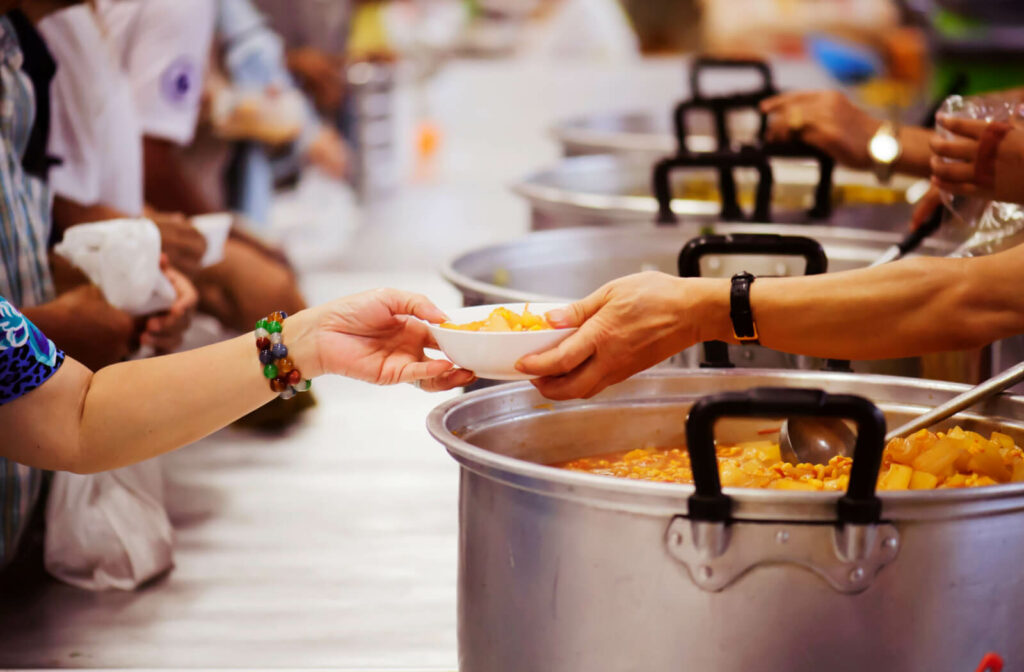
From humble beginnings as an invitation to pick up a skid of cereal in a work van, Regeneration Outreach Community’s mission to combat food insecurity through an incredibly responsive and relational food rescue program has changed the narrative for Regen’s guest-facing programs and has had a profound impact on Brampton’s food story as a whole.
Through our unwavering commitment, your support, dedicated staff, team members, volunteers, community, and partnerships, we can collectively help alleviate food insecurity, inspire hope, foster resilience, and create opportunities for individuals and families to break the cycle of food insecurity and build a brighter future.
What Is Food Insecurity?
Food insecurity refers to situations where individuals or households lack consistent access to nutritious and sufficient food. Food insecurity can manifest in many ways, including reduced quality and variety of food, insufficient food intake, and anxiety about when food will become available.
Factors driving food insecurity can include the following:
Inadequate or insecure income
Unemployment
Inadequate social assistance
High housing costs
Limited access to affordable and nutritious food
Food insecurity is not just about nutrition and diet. It can contribute to social inequalities and affect an individual’s physical and mental well-being too. Adverse health outcomes of food insecurity for adults and children can include long-term, chronic health problems such as asthma, depression, and diabetes.
Regeneration Brampton’s Impact
Brampton, the northwestern post of the GTA, is a unique municipality that has evolved over the decades from a pleasant bedroom community to a diverse collection of neighbourhoods that depict both the concerning disparity of wealth as well as the dire housing crisis that plagues many urban centres in North America.
However, Brampton is also inarguably one of the unique cities that reflects a true cultural mosaic offering many unique opportunities—and challenges—when it comes to addressing systemic issues for people who are experiencing homelessness, challenges with mental illness and/or addiction, and extreme poverty.
Regeneration Brampton’s services are geographically centred in areas of moderate and high need. However, the demand for support stretches far beyond the immediate neighbourhoods of downtown Brampton and the Queen Street corridor, as Regen serves guests from all areas of the city and beyond.
The stark reality of many who access Regen’s services is that they appear in the 0-35 percentile when it comes to the Region of Peel’s Neighbourhood Index due to a lack of employment opportunities, a lack of affordable housing, and soaring costs of living (food, transportation, and clothing). In addition to these factors, individuals and families affected by mental illness, addiction, and domestic violence often find themselves in financially vulnerable circumstances.
From its inception in 1999, Regeneration has been a safe place for those who are vulnerable, existing as “a living room for those without a living room” and eventually becoming a 365-day-per-year meal program, serving 60,000 meals in 2022. During the COVID-19 pandemic, Regeneration also founded a foodbank, known as the Marketplace, to help families struggling with food insecurity cover the cost of groceries and receive helpful support as well. This program was started as an emergency response to the pandemic but has grown into a staple in the community, now serving over 500 households per week.
Regeneration’s mantra of “serving with love” has driven our organization to continually push to find new ways to support our community with a hopeful, dignifying, and transformative approach.
Food Insecurity in Brampton
Food insecurity is far from the only issue affecting the most vulnerable in the city of Brampton, but it is a clear issue that impacts the well-being of so many. When assessing the impact of the food support that Regeneration Brampton provides, the 25,000 pounds of food shared on a weekly basis with those in need is a staggering number. To put that number into an economic scope, that is well over $60,000 worth of food shared each week with those in the community.
Regeneration Brampton & Tackling Food Insecurity
This quality of food service does not happen without vision, planning, and an incredible effort by staff, volunteers, and community stakeholders. Regen has built a progressive food procurement strategy that has evolved to meet the growing needs of the community. In the early years of the program, food procurement was centred around relationship-building with local businesses and logistics chains that would call on occasion with whatever products they had available for donation.
More recently, these partnerships have turned into more regular and bountiful donations, especially in the grocery sector, that give both Regen’s meal program and Marketplace a foundation of items available from products moving toward the end of their shelf value, including such valued items as:
Frozen meat
Produce
Sandwiches and soups
Eggs
Dairy products.
With the price of such items skyrocketing in 2022, these donated items were and still are of incredible value to those who are economically vulnerable.
This increase in corporate food rescue is critical, especially in conjunction with the goodwill and generosity of local community groups, faith groups, schools, and other organizations and individuals who have taken it upon themselves to collect items or run food drives to donate to Regen. These combined efforts allowed Regeneration to secure over 2 million pounds of goods in 2022, which fueled Regen’s programs and was shared with numerous other nonprofit partners that Regen works with in Brampton, Peel, the GTHA, and beyond.
Food procurement is a piece of Regeneration’s mission that intentionally happens behind the scenes—the work accomplished by staff and volunteers provides opportunities for the transformative frontline support to happen as the guests who pour in each day to access breakfast, lunch, and groceries are greeted by the friendly and warm faces of volunteers and staff who strive to foster relationships and support each person and family on their journey toward wellness.
If you are a regular donor or volunteer, we thank you for your generosity and diligence in supporting Regeneration as we support our community with love. If you are interested in partnering with Regeneration, please visit our website for more information.
Please see the testimonial below to learn more about how Regeneration partners with local businesses to feed thousands of people every month.
“At the heart of Fortinos is community. And through our valued partnership with Regeneration Brampton, we are able to nurture our community by helping to feed individuals and families in need through the donation of unsold, surplus fresh food. At the same time, we’re able to meet our corporate pillars of reducing food waste, diverting food from the landfill, and lessening the impact on the environment. Through these donations, Fortinos is able to help reduce food insecurity for individuals in the Brampton community. This vital relationship helps put food where it’s most needed and Fortinos is proud to be a supporter!”
Beverly WrightDirector, Marketing
Can I Donate Money to a Local Food Bank?

Food bank usage is rising all over Canada, with some advocates predicting 60% more Canadians per month will need to be served in 2023. And food banks are about more than food. Food banks can offer skills training, health and wellness resources, or even a great place to wash clothes.
This is why money donations can go a long way in helping your local food bank serve the community. Of course, we always appreciate food, but there are so many ways to give.
Why Donate Money to a Local Food Bank?
Food banks play a critical role in communities by providing food and resources to people in need. Unfortunately, many are struggling to keep up with demand, especially in the wake of the COVID-19 pandemic. Your monetary donations can help food banks deploy more volunteers and serve more meals to people in need.
Additionally, your donations can help food banks be more flexible to changing needs. For example, if a food bank suddenly needs to purchase more fresh produce or there’s a sudden need for baby diapers, we can use donated money to address these concerns.
The unfortunate truth is that canned beans won’t pay bills. Food banks have a lot of overhead from paying staff, building costs, and simply keeping the lights on. Generosity from the community is crucial in making a real difference in the lives of people struggling to put food on the table.
Donations of money won’t go stale, they fit everyone, and they let you fill the community with warmth and love.
What Happens to Donated Money?
When you donate money to a local food bank, you’re helping to support our operations. With so many people struggling to find food and care, many food banks offer more than a hot meal.
Food banks use donations to provide essential services to guests, such as:
Showers
Haircuts
Washers and dryers
Warm clothing or clothing for job interviews
Access to computers and phones
Other Ways to Support Your Food Bank
In addition to donating money, you can support local food banks in many other ways.
Volunteering is a great way to get involved and make a difference. Many food banks rely on volunteers to help sort and distribute food, organize events, and provide other essential support. You can also get involved in local events managed by a food bank that bring people together to help the community.
And, of course, you can always donate food items, clothing, and other much-needed supplies. Food banks accept non-perishable food items, such as:
Canned goods
Pasta and pasta sauce
Peanut butter
Soup
Rice
Cereal
However, we also need non-food items and hygiene products, such as:
Toothbrushes and toothpaste
Deodorant
Shampoo
Clothing and shoes
Baby diapers
Feminine hygiene products
Keep in mind, donating food items may not be as efficient as donating money. Food banks have limited storage space or may receive too many of certain types of items, while not enough of others. We’ll never turn away safe food and goods, but donating money can be a more flexible way to show your support.
Always check with your local food bank for what they urgently need. You can even organize a drive and get your office or school to pitch in!
How to Donate
Food banks typically try to make donating money as straightforward as possible.
Many food banks allow you to donate in person, and it can be a great way to learn about how they operate, meet staff and volunteers, and learn what more you can do to help. However, food banks are tight-staffed and can be occupied with guests who need our attention. So instead, you can conveniently give your support online using a credit card and receive a receipt in return.
You can even set up a monthly recurring donation. In fact, in many cases, this may be better for you and us.
You can appreciate the convenience of scheduling automatic payments without repeatedly entering your payment information.
Donating $20 a month rather than $240 a year can be more manageable for many people’s budgets.
You can give as much as you want, change your donation, or cancel anytime.
For us, monthly donations give sustainability. We can plan ahead and build for a future. That means more resources for frontline work and more time spent with those who most need it.
Ultimately, any donation is appreciated and put to good use. Your support lets Regeneration Outreach Community give hope to those in need. Our donors make a difference, and with a few clicks, so can you. Donate today, or contact our team to learn other ways you can give.
Myths and Facts about Homelessness in Canada

Homelessness is a serious problem for many Canadians. Many people live without the essential care they need, raising their need for health care and other forms of support. Additionally, there are many assumptions made about people experiencing homelessness that can lead to indifference toward this issue.
Some of the common myths about homelessness in Canada are related to misunderstandings about the causes of homelessness, the lives of people experiencing homelessness, and the seriousness of homelessness in our communities. When the facts are laid out, this nationwide problem can be revealed to be more complicated than it seems.
Myth: There’s Only One Cause of Homelessness
Many people assume there’s only one cause of homelessness—that everyone makes the same mistake. In other cases, some people assume that someone chooses to be homeless on purpose.
However, this idea is a myth. There are many potential causes of homelessness.
Fact: Many Factors Affect Homelessness
Someone may experience homelessness for many reasons. There isn’t one moment in someone’s life that leads to their situation. For many people, homelessness occurs due to several factors.
Some causes of homelessness include:
Structural factors: Lack of affordable housing, discrimination, low wages, and lack of health support can lead to homelessness.
Housing shortages: Some communities in Canada lack affordable housing. Many Canadians cannot afford other necessities on top of their housing costs.
Poverty: A major financial problem (accident, illness, etc.) can lead to homelessness if you’re struggling to afford your daily needs.
Personal circumstances: Mental health issues, traumatic events, addiction, and other personal problems can factor into homelessness.
Relationship problems: Relationship problems, especially domestic violence, can make homelessness one of the only avenues of escape. Many people (women and children in particular) must leave their homes to get away from their abusers.
System failures: Failures in the prison system and addiction centres, lack of support for immigrants, and other systematic issues can lead to homelessness.
Myth: People Experiencing Homelessness Are Lazy & Should Get a Job
It’s a common assumption that someone experiencing homelessness is lazy. However, you only see a moment of their day, not the struggles they live through.
Someone experiencing homelessness may be making efforts to survive daily life that you don’t see first-hand.
Fact: Many Factors Prevent People Experiencing Homelessness from Getting Jobs
It can be extremely difficult for someone experiencing homelessness to just “get a job.” For example, many applications require you to fill out your home address.
Some obstacles to getting a job when experiencing homelessness include:
Transportation difficulties
Limited access to phones or computers
Lack of experience or training
Struggles with mental illness
Lack of a permanent home address
Irregular access to hygiene necessities (showers, toiletries, etc.)
Myth: People Experiencing Homelessness are Addicts or Have Mental Illnesses
Many people can brush aside someone struggling with homelessness by assuming they have an addiction or mental illness, but that is not always the case. Mental health is only one factor that contributes to homelessness.
Fact: Anyone Can Experience Homelessness
While people experiencing homelessness can be addicts, suffer from mental illness, or experience both problems at once, anyone can become homeless. Only a percentage of those experiencing homelessness are addicts.
Myth: Experiencing Homelessness Means You Live on the Streets
When people think of someone experiencing homelessness, they generally imagine someone sleeping outside or staying in a shelter. However, this view of homelessness doesn’t capture the entire experience. Every person’s situation is different.
Fact: Homelessness is Complicated & People’s Experiences Vary
While many people assume homelessness means you live on the streets or in a shelter, it actually affects a wider range of people. Many people experience hidden homelessness—meaning they aren’t unsheltered but still experience homelessness.
Hidden homelessness can also be known as couch surfing—when you live with friends or family until you can get back on your feet. According to the Government of Canada, 15% of people who now make housing decisions in their households have experienced hidden homelessness.
Myth: Homelessness Isn’t a Problem
People can make many assumptions about homelessness, and if you’re not affected by homelessness, it’s easy to assume it isn’t an issue.
Homelessness is an issue ignored by many people. Some people may have a bad experience with someone struggling with homelessness or become used to seeing this issue every day, making it seem like a smaller issue than it is.
Fact: Homelessness Must Be Addressed
According to 2019 data, approximately 35,000 Canadians lack shelter on any given night. On average, 235,000 Canadians experience homelessness every year. No one deserves to live without shelter—homelessness is a crucial issue Canada must address.
Make a Local Impact
Homelessness is a nationwide problem, but you can make an impact in your community, whether through volunteering, donating goods, or financial donations. Additionally, you can advocate for action toward addressing homelessness across Canada. Contact Regeneration Community Outreach to learn more about helping your local community.
How to Find a Job While Experiencing Homelessness

Loss of employment can be a significant factor in causing homelessness, and re-entering the workforce is a great first step in a positive direction. Finding a job can feel like an uphill battle if you have been unemployed and experiencing homelessness for a while.
Taking any skills training available, solving substance abuse problems, and leveraging technology and community services are all potential steps to help you land a new job. It’s important to remember that no two situations are identical and different strategies may work better in certain situations.
Organizations like Regeneration Outreach Community can provide significant support throughout this process. There are teams of people who can help you gain access to medical care and basic necessities. We can also assist you in finding employment.
Job Searching While Experiencing Homelessness
Jobs hunts during homelessness can be a daunting task. One major thing to remember is that a situation like joblessness or homelessness usually doesn’t change overnight—but consistent forward momentum can help you get there, step-by-step.
Jobs Skills & Training
Many communities and cities have support programs to encourage and facilitate upgrading your skills. This could be as simple as upgrading a skill you already have to be better suited for a particular job. Alternatively, there could be opportunities to learn an entirely new skill and enter a new industry.
Another thing to remember if you decide to upgrade skills is to ask about job placement. Many skill upgrading programs also include some assistance in finding a job with your new or upgraded skills.
Seek Out Substance Abuse Programs
A study was done in 2018 on the Canadian population experiencing homelessness. Out of nearly 20,000 people who responded, 25.1% indicated that a substance abuse problem was the primary reason for their housing situation.
If this is your situation, hope is not lost. Whether you’re looking for addiction counselling or information on local treatment centres, we have resources available that can help you move in a positive direction.
Look for Jobs Postings Online
The internet has made job hunting much more accessible. Many companies who offer entry-level jobs will post these positions on online job boards; Indeed and Monster are two popular websites you can try. Additionally, many communities have online advertising websites that feature local job opportunities.
If access to a computer is holding you back from using the internet in your job search, a local outreach organization or a public library can help you with computer access.
Create an E-mail & Resume
You may already have a resume from your last job, but it’s a good idea to update it with any new experience or skills you have. On the one hand, you need to keep your resume general enough to catch the eye of most employers, regardless of industry. But on the other hand, you want to highlight your best skills, which may narrow the niche slightly.
Along with a resume, you’ll want to create a professional email that potential employers can reach you at. Your first and last name at Gmail or Outlook is a great option for this.
A resume and e-mail are part of your professional image. One related thing to consider is having the proper identification. If you’ve lost identification along your journey, they can sometimes be difficult to replace. You can contact our ID Clinic to get assistance in replacing your ID.
Get a Pay-As-You-Go Phone
Managing a monthly phone bill without a regular paycheck may not be possible. But a pay-and-talk or pay-as-you-go phone might be an option. Besides the initial expense of buying the phone, you only have to pay for what you use.
Having a phone number gives potential employers a convenient way to reach you if they have more questions or want to schedule an interview.
Look Your Best, Feel Your Best
Not always knowing when you’ll get your next shower is an unfortunate part of homelessness. But essential things like showers and a hot meal should be a right, not a privilege. Fortunately, there are organizations like ours that can provide practical support in accessing essential care services.
Between these organizations and laundromats or truck stops, there are options for free showers and places to freshen up before your interview.
Get a New Outfit
While experiencing homelessness, you may not have a large budget for new clothes. Fortunately, this is another area where your community can help.
Organizations like Regeneration Outreach Community or churches may be able to help at no cost. Another possible option would be a second-hand or thrift store. Finding a clean, professional-looking outfit can set you up for success in your interview.
Find Support When You Need It
The important thing to remember while you’re on this journey is that you’re not alone. Community support is available to help get you where you need to be. Our team is filled with people who truly care about you and want you to succeed. If you need help, don’t hesitate to reach out today. There’s no shame or judgment here, and every one of our team members believes in what we do and cares deeply for each person we meet.