
Thousands of people find themselves without a permanent place to call home. These individuals are often categorized in different ways, such as either homeless or houseless.
The terms homeless and houseless are often used interchangeably but may have a slight distinction. Homeless is a restrictive term used to describe people who don’t have a place to live or a fixed residence and houseless refers to people who may not have a traditional home but still have a place to stay.
Understanding these terms is crucial for developing effective programs and support systems. While both groups face significant challenges, the language we use to describe their situations can profoundly impact the public perception and the quality of help they receive.
Is There a Difference Between Homeless & Houseless?
Both terms aim to describe a lack of stable housing. The term homeless is often used to describe people who don’t have a fixed residence. This includes not only those living on the streets but also individuals staying in shelters or temporary accommodations. The common denominator is the lack of stability and permanence in their living situation.
On the other hand, houseless, can refer to people who may not have a traditional home but still have a place to stay. This could include those living in RVs, tiny homes, or other non-permanent structures. They have a shelter, however they may lack the societal recognition of having a home. Those who identify as houseless may still feel a sense of belonging and community even if their living situation isn’t conventional.
Importance of Understanding the Terminology
Using precise language is more than just semantics; it shapes our understanding and compassion. When we talk about someone experiencing homelessness, it often evokes images of people living on the streets under dire circumstances.
The term “houseless,” however, can evoke a different set of images—perhaps of people who are nomadic by choice or circumstance but are not entirely without shelter. Recognizing this distinction helps tailor solutions that are more empathetic and effective.
The Social & Psychological Impact of Labels
The labels we use can significantly affect the mental health and social standing of individuals. Being called homeless often carries a heavy stigma, contributing to feelings of worthlessness and isolation. Conversely, the term houseless can sometimes mitigate these negative emotions, as it doesn’t entirely strip away the person’s sense of having some form of shelter and security.
Challenges Faced by Individuals Who Are Homeless & Houseless
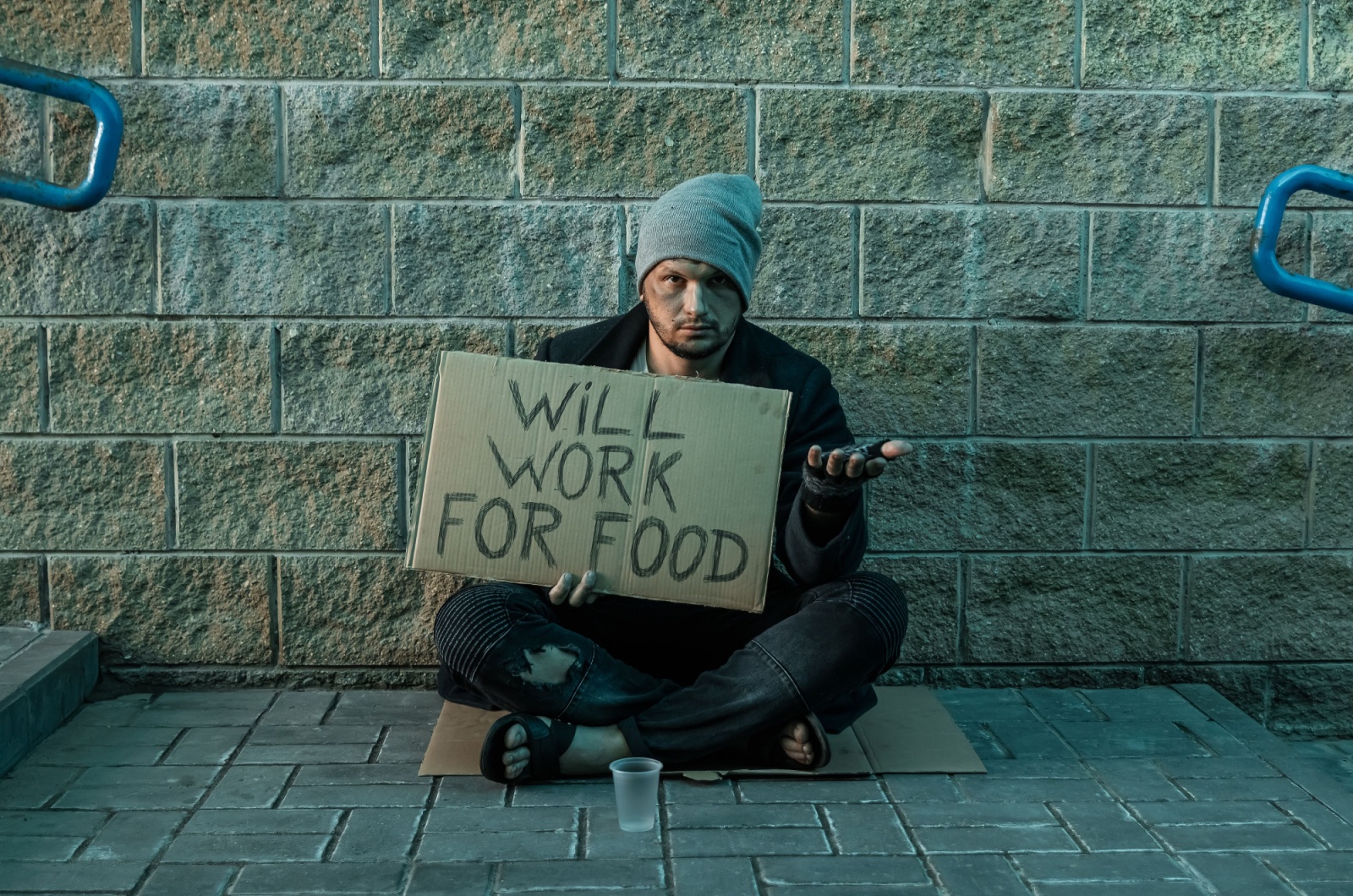
Beyond the basic need for shelter, there are many unknown challenges that people who experience homelessness face.
Access to Basic Needs
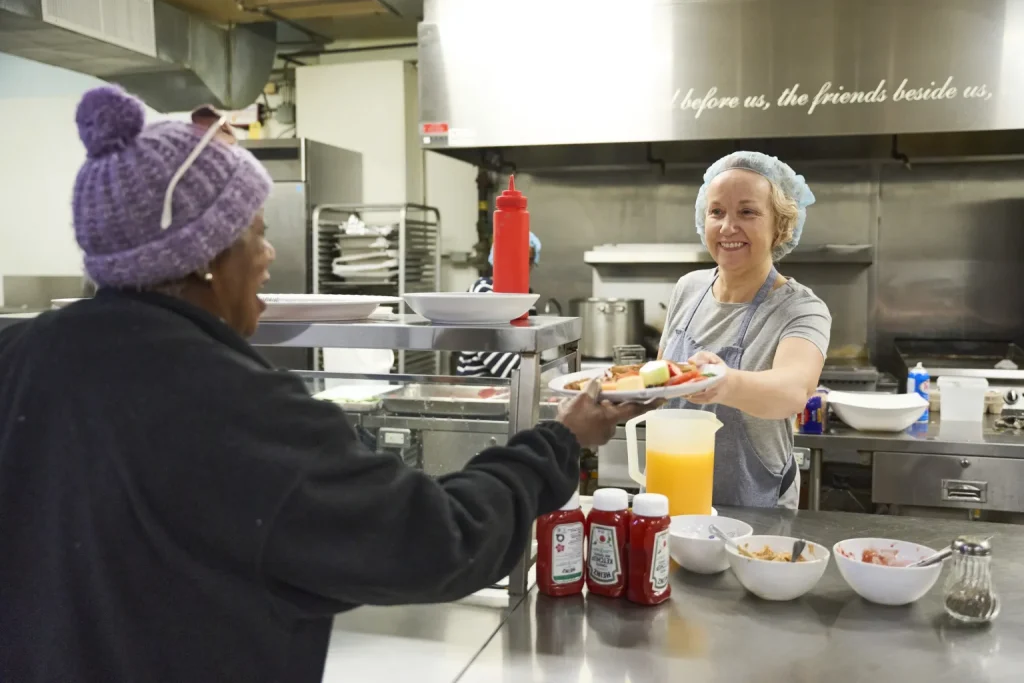
One of the most pressing challenges is accessing basic needs like food and healthcare. Individuals who experience homelessness often have to rely on shelters that may be overcrowded or unsafe. Individuals who are houseless might have a makeshift shelter but still face difficulties securing consistent meals and medical services.
Employment & Education Hurdles
Individuals without stable housing face significant barriers to employment and education. Without a permanent address, applying for jobs or enrolling in school can be almost impossible.
This creates a vicious cycle where the lack of resources perpetuates their unstable living conditions. Programs that provide access to vital services such as obtaining a Canadian birth certificate or other government ID help these individuals regain their sense of value and belonging.
Addressing Misconceptions
There are numerous misconceptions about individuals who experience being homeless and houseless that need to be debunked. One common myth is that all people who are homeless are substance abusers or mentally ill, which is far from the truth. Another stereotype is that these individuals choose their lifestyle out of laziness or unwillingness to integrate into society.
Being homeless is not a choice. Reasons why individuals face homelessness can include economic and societal issues such as:
- Inadequate income
- Lacking access to affordable housing
- Shortage of housing
- Poverty
- Discrimination
- Lack of support services
Personal circumstances and relational problems that lead to homelessness can include:
- Traumatic events
- Personal crisis
- Mental health challenges
- Domestic violence
How Language Can Shape Perceptions
The words we use have power. By changing the language, we can shift perceptions and break down harmful stereotypes. Referring to someone as ‘houseless’ rather than ‘homeless,’ for example, can humanize their experience and evoke a more compassionate response from society.
Redefine Perceptions, Redefine Lives
Understanding the difference between the terms homeless and houseless is a step towards greater empathy and more effective solutions. Both terms describe people in need but do so in ways that can influence public perception and policy. By focusing on the humanity of these individuals and supporting local initiatives, we can work towards a future where everyone has the stability and security they deserve.
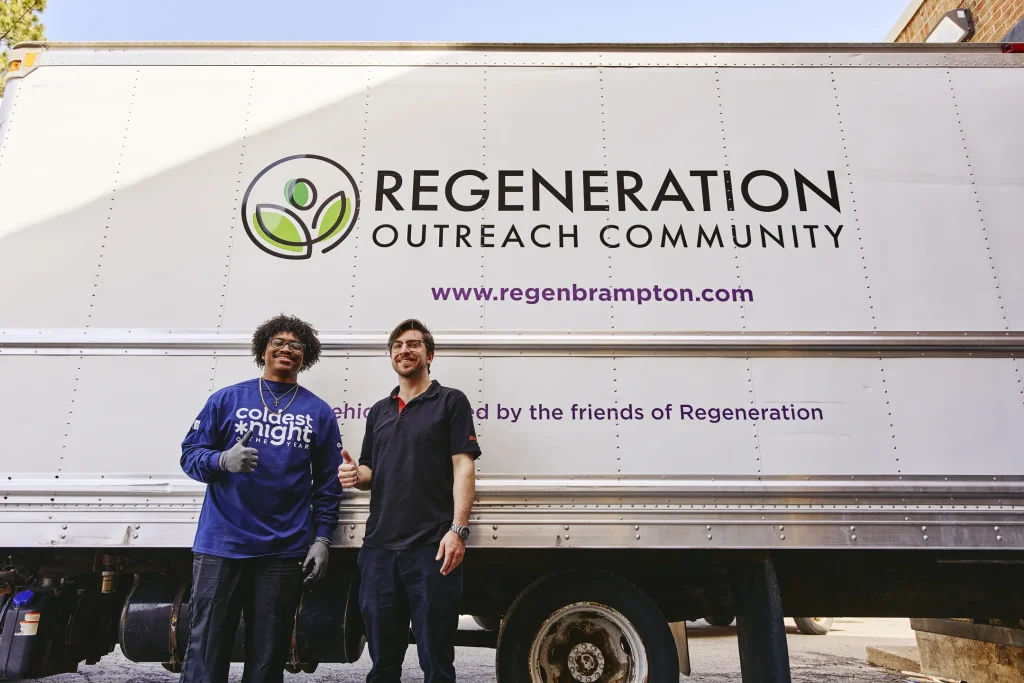
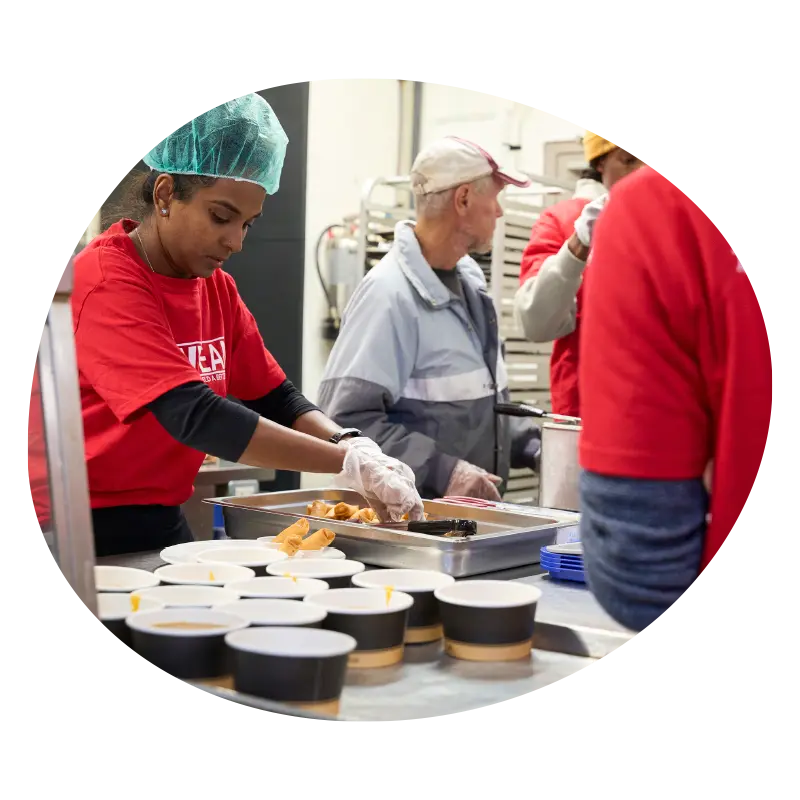
Let’s come together to make a difference. Contact Regeneration Outreach Community to volunteer or donate to help those in need, because everyone deserves a place to call home—even if it’s not a house.