

Can People Experiencing Homelessness Get Access to Medical Care?

Homelessness is a social concern that affects hundreds of thousands of people across Canada in any given year. Programs are available to support people experiencing homelessness with basic needs, such as food, hygiene, clothing, and community with addiction services, life skills, and social interaction.
But can people experiencing homelessness get access to medical care? The answer is yes, yet it’s not always that simple. People experiencing homelessness are at a higher risk of suffering from health problems and premature death, and this can also create barriers that hinder their access to health care.
Let’s take a closer look at homelessness and what medical care is available to those experiencing homelessness.
Homelessness
Homelessness may result from forced displacement and deprivation in the form of inadequate shelter, lack of access to resources or services, marginalization, exclusion, and the inability to fulfil basic needs such as food or health care. Homelessness can constitute anyone living in the streets, sidewalks, parks, abandoned buildings, cars, and emergency shelters. People living in motels, hostels, someone’s couch, or rooming houses are at risk for homelessness.
Homelessness affects people of all ages, genders, and racial backgrounds, but certain population groups are more at risk than others:
Single adult men between the ages of 25 and 44 years
Single women who are older and have a history of mental illness or substance abuse
Women with children with a history of family violence
Youth between the ages of 13 and 24
Young people between the ages of 20 and 25
Indigenous people
The Need for Medical Care
With homelessness comes several factors that result in an increased risk of mortality and health issues. These include extreme poverty, a delay in seeking help or care, noncompliance to therapy, cognitive decline, and other adverse health effects associated with homelessness.
Homeless people in their 40s and 50s present with health disabilities typically seen in older people. And those living on the streets compared to in shelters also have worse health circumstances.
Access to Medical Care
Even with Canada’s universal health care system, people who experience homelessness still face barriers to accessing adequate health care. These barriers can include:
Lost or stolen identification
No health card
Lack of medical insurance
Lack of a balanced diet
Not having a family doctor
Chronic illness
Discrimination
Putting other basic needs before health care
No transportation
Patient Rights
People experiencing homelessness may not know that, as patients, they have rights within the Canadian healthcare system. Patients’ rights in Ontario include:
Receive safe and proper care.
Give or refuse consent for any procedure for any reason.
Have a medical professional clearly explain health problems and treatments to you.
Participate in health care decisions.
Ask questions and express concerns.
Request a second opinion; within reason.
Be assured that personal information is confidential.
Request to access your health information records.
Request the transfer of your health records to another medical professional. It may incur a fee.
Obtaining Identification
A health card can significantly increase your access to primary health care in Ontario, such as access to a family doctor, nurse practitioner, or social worker. Included are diagnosis, treatment, management, and disease prevention.
Not having an ID can discourage people experiencing homelessness from seeking medical care. To overcome this barrier, ID clinics across Canada can help individuals to obtain birth certificates, SIN numbers, and photo identification.
For eligibility for health coverage in Ontario, individuals must be Canadian citizens or legal immigrants, permanent residents, and physically present in Ontario for at least 153 days of any 12 months.
Programs
The province of Ontario’s homelessness programs aims to end chronic homelessness by 2025. They include the Community Homelessness Prevention Initiative (CHPI), Home for Good (HFG), and the Indigenous Supportive Housing Program (ISHP). It plans to do this in 2 ways:
People experiencing homelessness can obtain and retain housing.
People at risk of homelessness can remain in their homes.
Don’t have an Ontario Health Insurance Plan (OHIP) or health card? Other resources and programs are available such as community centres, drop-in clinics, community health teams, and clinics for the uninsured.
Other options for primary health care include:
Nurse practitioner-led clinics: With or without OHIP, you can receive comprehensive primary care, health promotion, mental illness, and chronic disease management.
Aboriginal/Indigenous health access centres: No OHIP required.
Telehealth Ontario: A free, confidential telephone service in Ontario where you can speak to a registered nurse.
Health Care for People Who Are Homeless
Every person is worthy of love, dignity, and respect and deserves access to medical care, regardless of their circumstances. At Regeneration Outreach Community, our partnerships with primary care providers offer health, medical, or mental support.
Reach out to us whether you seek emergency room care, a family doctor, counselling, identification documentation, or other related resources.
A Reflection by Mandeep, a placement student at Regeneration

Working at Regeneration Outreach Community for the past 6 months has certainly been a unique experience for me. When I first came in, I was taken aback by all the different activities that take place here as this was my first experience in a community-based environment. Regeneration is a great display of the diversity of the community, all of the different amenities available here truly reflect the inclusivity of the city of Brampton.
Throughout my experience I got the chance to meet some incredible individuals. Both colleagues and guests alike have contributed towards providing me with the knowledge and understanding required to ensure I put my best foot forward, not only at work but in my everyday life. The lessons at Regeneration have left a positive impact in my life as the life stories shared by the guests encourage and inspire me to increase the spread of positivity not only in my life but of those around me as well. Personally, Regen has enhanced the importance of providing support and assistance to those in need of it, to the best of my abilities. Advocating for guests has not only allowed me to get comfortable with voicing my opinion, but also gave me the confidence to enforce a positive change regardless of who I interact with. Being in a position where guests are able to come to me with their issues in hopes for a solution has placed a responsibility on my shoulders of ensuring I provide them with the best and most helpful resources. Not only has this created a bond of mutual understanding and respect but we are able to communicate with one another in a more effective and positive manner. Which is reflected well in my personal relationships as well as my ability to communicate efficiently.
Working with my amazing colleagues has also created the opportunity for me to create great friendships with amazing people that I know I can depend on for a lifetime. I have been lucky enough to work with a team of smart, talented, joyful, and positive individuals that I get to learn something new from every day. The overall experience at Regeneration has been an amazing one for me so far and I am excited to continue working with the community of Brampton and assisting to the best of my abilities.
How Do You Qualify for a Food Bank in Ontario?
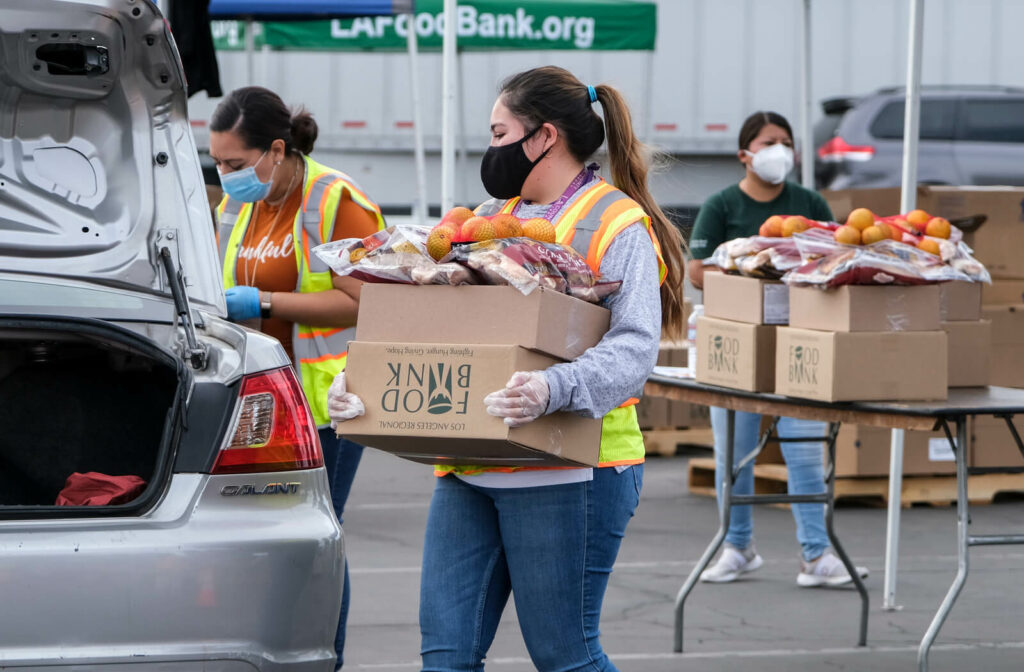
Food banks provide an essential service to our communities. In fact, food bank usage rose 25% across Canada since the beginning of the pandemic, the highest levels we’ve seen since 2008.
Because of how COVID-19 and other world events have significantly altered our citizens’ financial security and well-being, food banks provide the meals people need to feed themselves and their families. But can anyone use a food bank? What can food banks provide? And what options are available for those who need to use food banks regularly?
Regeneration Outreach is committed to feeding and supporting those in need in our community, so we’ve built this guide to help you learn more about food banks, what they do, how they help, and why they’re an essential part of the community.
If you believe you might need a food bank to support yourself and your family, please book an appointment for our Marketplace today. We’re always ready to help.
What Is a Food Bank?
If you’ve never heard of a food bank, you’ve come to the right place. Food banks are non-profit organizations designed to provide safe, healthy foods for individuals and families who may not be able to afford groceries.
Food banks can be individual programs provided by volunteers, or they can be part of a larger community (like our Marketplace at Regeneration Outreach).
Who Uses Food Banks?
Food banks serve everyone in need of their services. However, some studies have shown trends in those who turn to food banks for help. For example, in Canada:
50.5% of users are on some social assistance plan.33.3% of users are children.8.7% are seniors.1 in 8 users are currently employed.17.8% of users come from single-parent households.
What Do Food Banks Provide?
Food banks provide a wealth of different food options, but they rely on donations to support their services. As such, food banks like ours keep a strict eye on what foods we offer our community so we can ensure they are safe and healthy to eat.
Some of the most common food items we provide include:
Canned soups, veggies, and fruitsCanned meats and fishPeanut butterJellyOatmealHot and cold cerealsDry noodlesPasta sauceTeaCooking oilJuiceMacaroni and cheese
But the items we can provide don’t stop there. Please visit our Donate Goods page for more information on what else we may offer or what we will accept if you plan on donating to our community.
Eligibility for Food Banks
So, who can use food banks?
Everyone! Anybody who needs our food bank services is welcome to them.
Before you visit us, please book an appointment with our Marketplace by visiting our Contact Us page. Once you’ve booked your appointment, please visit us at the date and time you requested.
Dietary Restrictions
Please let us know if you or your family have specific dietary restrictions. We’re happy to help supply foods to address:
Religious requirements.Dietary concerns like:DiabetesGluten allergiesLactose intolerancePeanut allergiesDietary choices like:VegetarianismVeganismKeto dietsLow carb diets
While we’re happy to accommodate your restrictions and preferences, please understand that we might not be able to meet your requests depending on our stock level of current donations. If you have any concerns, please let us know.
How We Can Help
At Regeneration Outreach, there is more than one way our food banks can help support families and individuals in need.
Depending on your schedule and current need of support, we can offer either our Marketplace service or our delicious meal services during our operating hours!
Our Marketplace
Our Marketplace, located on 253 Queen Street East, is the home of our food bank services. The Marketplace is open Tuesday through Saturday, by appointment only.
We also accept donations at our Marketplace. Please visit our Donate Goods page to learn more about the items we accept.
Meal Services
Regeneration Outreach is proud to also offer meal services for those in need as part of our Essential Care Program.
We serve breakfast every day between 7:30 AM and 9:30 AM, and we serve lunch between 11:30 AM and 12:30 PM Monday through Friday.
Please note that we wrap up our breakfast services at 9:15 on Sundays.
Want to Do More? Volunteer Today!
Communities like ours give hope and strength to those in need every single day.
If you’d like to be part of the difference we’re making, please visit our Volunteer With Us page to see how you can contribute. If you’re looking for other ways to give, please check out any of the following pages or contact our team today!
DonateEventsDonate GoodsWays to Give
5 Benefits of Being Part of a Community During Homelessness

Homelessness affects every part of the world, and many of us may brush with this experience at some point in our lives. However, despite homelessness being a primary focus for many governments, the issue won’t resolve overnight.
This is why communities like ours are at the heart of homelessness support and prevention. With the help of compassionate services and wonderful volunteer staff, we’re honoured to help thousands find hope, care, and a sense of belonging.
Let’s look at some of the benefits communities like ours can provide in times of need and see how a commitment to serving others is changing lives across our beloved city of Brampton.
If you or someone you know is struggling with homelessness, our doors are open. Discover a fresh start today.
#1. Food, Showers, & Access to Technology
We believe that basic needs are a right, not a privilege, so homeless communities like ours always provide sufficient access to food, clothing, and hot showers.
But basic needs go a lot further than eating well, keeping warm, and maintaining our hygiene. Communication is becoming an increasingly integral part of our society, so we want people to have ample opportunities to use devices like computers and printers to improve their situation the best they can.
Job research and applications are more dependent on internet access than ever before, so access to technology is essential to combating homelessness in our city. On top of job searching, access to technology can help connect family members worldwide, bringing a much-needed sense of support from loved ones in times of crisis.
Other basic needs communities like ours can provide can also include:
Education
Transportation services
Personal care items
Shelter
#2. Health Care & Treatment
There are many reasons why people become homeless, but this shouldn’t affect their ability to obtain adequate health care when they need it. Unfortunately, research suggests that being homeless can increase the risk of several health concerns, including:
Foot conditions
Hypertension
Cognitive impairments
Sexually transmitted diseases
HIV
Hepatitis
Nutritional deficiencies
Injuries
Many of these problems can become more severe over time, so it’s essential to address them quickly. Some communities can provide limited care services but can offer a wealth of hygiene supplies to help prevent specific issues from developing further.
In most cases, homeless communities can help resource various medical services depending on the issue and discretion of the individual. These resources can include emergency room services, doctors, specialists, and counsellors.
#3. Mental Health Counseling & Addiction Prevention
The mind is incredibly complex, but trauma, mental illness, and addiction can severely affect how it functions. Luckily, homeless communities understand the importance of quality mental health support and addiction counselling and typically offer a few different services to help those struggling find some stability in their life.
According to recent research, a little over 11% of homeless people struggle with cognitive impairment, making homelessness a dangerous, confusing experience for many. Addiction is also a common issue associated with homelessness, with the most common being alcohol dependency (55%).
Communities can put at-risk individuals in touch with professionals who can work through these issues with compassion. If you need a mental health professional now, please contact any of these helplines:
24/7 Crisis Line: 905 278 9036 or 1888 811 2222
Central Intake: 905 450 1996
Streethelp Line: 1 887 848 8481
Region of Peel: 905 793 9200
Peel Housing Services: 905 452 1300 www.peelregion.ca
PAARC (Peel Addiction Assessment and Referral): 905 629 1007 www.paarc.com
CMHA: 905-451-2123 cmhapeeldufferin.ca
#4. Social & Life Skill Workshops
Mental health issues and prolonged periods of homelessness can also affect how people behave and handle various situations. However, with the help of coaches, therapists, and volunteers, homeless communities can provide workshops and events where individuals rediscover their ability to interact with others and take care of themselves.
Some of these workshops can include:
Financial education
Culinary skills
Grief and anger management
Relationship building
#5. Spiritual Guidance
Lastly, one of the most important benefits people may find from joining a homeless community is spiritual guidance and support.
The power of faith cannot be overstated, as it helps many rediscover their purpose in life or redefine what it means to be a part of this world. Through faith-based healing, studies have shown that people have been empowered to leave behind destructive or negative aspects of their lives and replace these habits with worship.
Many communities provide programs focused on various faiths, but all are welcome regardless of creed.
Discover These Benefits & More at Regeneration Outreach
Through difficult times, a little support can go a long way.
Our programs are available to all, with certain services running throughout the week. If you or someone you know is in need, let us know, and we’ll be more than happy to help.
Essential Checklist for People Experiencing Homelessness

Homelessness can make each moment a challenge, whether it’s finding a place to sleep, eating, or managing various hygienic needs.
But help is always available.
Communities like ours are working hard to ensure everyone has access to their basic needs, and we rely on the help of donations and volunteers to realize our goals. We’re grateful for the thousands of hours our volunteers have contributed and the millions of pounds of food we’ve collected through donations, as every little bit can change a life.
Today, we will cover what basic needs are essential to meet while experiencing homelessness and what our community, neighbours, and families can do to help.
If you or anyone you know is struggling with homelessness, contact us today. We’re here to provide support in every way we can.
What Are Basic Needs?
Basic needs are the essential items and amenities a person needs to survive.
What constitutes a basic need has changed over the years, and definitions vary between countries and researchers. However, basic needs typically include:
Food
Water
Shelter
Clothing
Access to healthcare
Some of these essential items are provided as part of our marketplace or Regeneration Thrift Store, while others may be included in our list of amenities.
Urgently Needed Items
At Regeneration Outreach Community, we accept thousands of donations every month. And the more donations we receive, the more people we can help support.
Of course, there are certain items constantly in demand. Not only can these donations help feed and clothe people facing homelessness, they also stock the shelves of our marketplace and Regeneration Thrift Store.
Take a look at some of our urgently needed items and find out how you can help support our community.
Clothing
Pants and shorts
Shoes and boots
Brand new underwear (Depends underwear also welcome)
Shirts and sweatshirts
Coats and jackets
Winter gloves
Toques and scarves
Baby clothes
Food
Canned veggies and fruits
Canned meats
Canned soups
Jarred or canned pasta sauce
Dry pasta
Rice
Peanut butter
Cereal
Macaroni and cheese
Non-perishable baby food
Hygiene
Toothbrushes
Toothpaste
Dental floss
Body soap and shampoos
Sunscreen
Women’s hygiene products
Deodorant
Shaving cream and razors
Sanitation wipes
Toilet paper and paper towel
Baby wipes and diapers
Other In-Demand Items
Sleeping bags
Blankets
Towels
Laundry detergent
Pillows
Small appliances (coffee-makers, toasters, blenders, etc.)
Tools and home equipment
We may also accept furniture and electronic devices on occasion, but these must be clean, unbroken, and in good working condition. We won’t accept items with scratches, cracks, or missing pieces.
Access to Amenities
While many of the items listed above are extremely helpful, they’re only a step towards meeting everyone’s basic needs.
Access to amenities is essential for many people struggling with homelessness but very difficult to achieve. That is why many communities like ours also provide numerous amenities that can be used throughout our program hours, free of charge.
Showers
Some communities offer shower facilities during operation hours, including soaps, shampoos, and towels.
Showering regularly reduces the risk of contracting skin infections and developing conditions like dermatitis and eczema. To help keep skin healthy and clean, we recommend showering once every day or 2.
Barbers & Salons
Another essential part of maintaining hygiene is having access to hair cutting services.
Long hair can be difficult to take care of and can often become oily and tangled if it doesn’t get washed and groomed regularly. Because people who are experiencing homelessness may not get many opportunities to clean their hair, communities can help keep hair short and clean with the help of hair cutting services.
Laundry
Just like showering, doing laundry is essential for cleaning away dirt and bacteria that can live on old clothes. If these clothes aren’t washed regularly, it can increase the risk of developing issues like scabies, respiratory infections, acne, and rashes.
Regeneration Outreach Community offers laundry services during our regular operation hours, and we even provide laundry soap and dryer sheets.
Internet, Phones, & Other Technologies
While not typically needed to survive, internet access and communication technologies are becoming more important as job recruiters and support programs go online. While traditional access to these opportunities is still available, people may have a better chance of improving their situation by accessing the internet.
Many communities, ours included, offer internet access as part of our commitment to helping people find a way off the street.
Social Programs
A huge part of what makes communities like ours so impactful is the list of social programs and workshops we have available. These programs are designed to help people take an active role in improving their lives, teaching them valuable skills like:
Cooking
Managing anger and anxiety
Bettering their health
Managing their finances
Coping with grief
You Can Make a Difference
Homelessness is difficult, but help from people like you makes it easier to bring people off the street and into a life of warmth, comfort, and security. With your donations and volunteer time, we can provide the continued support members of our community need each and every day.If you’re wondering how you can help, please visit our Volunteer page or look at our Donations page to browse our urgently needed items. Please donate your items at our Regeneration Marketplace at 253 Queen Street East.
What to do if You Are Going to be Homeless
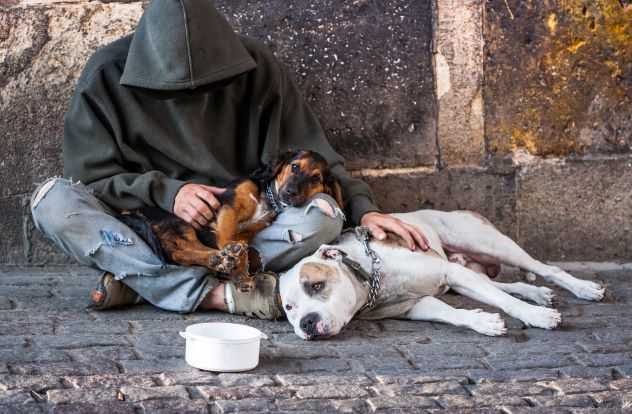
Homelessness affects thousands of Canadians nationwide, leaving them without safe and stable housing. If you’re experiencing this unfortunate situation, what can you do to receive the essential care you need?
Continue reading to learn more about what to do if you’re going to be homeless, including what support is available to help you recover.
What is Homelessness?
Homelessness is the situation of a person or family without stable, permanent, and safe housing or the immediate ability to acquire it. There is a misconception that homelessness only impacts certain parts of the Canadian population, but anyone can experience this issue. Between 25,000 to 35,000 Canadians experience homelessness on any given night.
There typically isn’t a single reason why someone experiences homelessness. It can be a factor of societal barriers, lack of affordable housing, financial situations, and other factors. Most people don’t choose to become homeless and cannot just “get a job.”
Who Experiences Homelessness?
Canadians experiencing homelessness come from different backgrounds, including age and gender. While anyone can become homeless, some groups may be more at risk, such as:
Indigenous people
People with mental health issues or addictions
Single adult men
Women with children fleeing violence
Around 52% of people who experience homelessness are adults ages 25–49. Indigenous peoples (Métis, Inuit, First Nations) make up between 28–34% of the homeless shelter population. Finally, people between the ages of 13–24 make up approximately 18% of the population facing homelessness.
It’s important to note that not everyone experiencing homelessness lives on the streets every night. Some people stay in places not meant for human living, but others may be staying in emergency shelters or be at risk of homelessness.
Others may not show up in current shelters or on the streets, living with relatives or friends. These people still live without a permanent dwelling, known as hidden homelessness.
How Does Someone Become Homeless?
Someone can become homeless for many different reasons. It’s a multifactorial problem, meaning there is no singular cause of homelessness. Some key factors relating to homelessness are poverty, structural factors, system failures, housing, and more.
The causes of homelessness include:
Structural factors: Lack of adequate income, access to affordable housing, health supports, discrimination, & economic shifts can lead to homelessness
Poverty: People living in poverty cannot afford necessities, potentially making them a paycheque away from homelessness
Housing: A lack of safe, affordable, & stable housing directly contributes to homelessness
System failures: System failures occur when other care & support systems fail, requiring vulnerable people to consider homelessness
Personal circumstances & relational problems: Traumatic events, personal crisis, mental health & addiction challenges, & family violence can contribute to homelessness
Domestic violence: Domestic violence can force individuals to leave their homes suddenly without proper support
If any of these factors affect you, what resources are available?
What Should You Do if You’re Going to be Homeless?
Most people assume homelessness will never affect them, but it can happen to anyone. While homelessness can seem like the end, you aren’t stuck in this predicament—you can improve your situation with available support. Whether it’s due to domestic violence, poverty, or personal circumstances, what should you do if you’re about to be homeless?
Ensure Your Safety
First, ensure your safety. No matter why your living situation is compromised, get somewhere safe. If you’re in immediate danger (such as a violent altercation), call 911.
If you can travel, either with your car or public transportation, go to a public space such as a:
Police station
Library
Shopping centre
Once you’re in a safe area, you can figure out your next steps.
Calm Yourself as Best as You Can
If you’re experiencing homelessness, you may feel hopeless, anxious, or stressed. These feelings are normal, but try to relax as best as possible.
Homelessness can be a transitionary period—many are only in this situation for a short time. Most stays in shelters are brief, with youth and adults staying an average of 10 days. Older adults and families tend to stay around 20 days.
Check With Your Personal Connections
Your connections can help you out if you have any available. Consider reaching out to someone, even if you feel it won’t work out.
Speak with friends and family to see if anyone can let you stay for a couple of days. If you’re a part of any religious, cultural, sports, or other communities, see if anyone may be willing to help.
Check What’s Available in Your Local Community
It’s unfortunate, but many people become homeless because they have no one else to lean on. In this case, you can see what services and programs are available in your local community.
Many cities have 211 or 311 numbers you can dial for free. These services can help you contact community organizations, such as:
Food banks
Housing help centres
Shelters
Drop-in centres
Meal programs
If you have internet access, the Canadian Alliance to End Homelessness (CAEH) website has links to local organizations in different provinces across the nation.
Homelessness can be scary due to its uncertain nature, but you have support available. Whether with friends, family, or a local organization, you can find the help you need.
If you need assistance or support, contact us today.
Housing Affordability: The Impact on Homelessness in Toronto

Regardless of the reason someone is experiencing homelessness, they lack the support and care needed to acquire permanent and safe housing. Housing affordability is one of the many factors related to homelessness in Canada.
With homes becoming more expensive in Canadian cities such as Toronto, how has housing affordability impacted homelessness? Continue reading to learn more about housing affordability and its impact on homelessness in Toronto.
Homelessness: How Does It Happen?
Someone experiences homelessness when they lack safe, permanent, and appropriate housing or the immediate ability to acquire it. When thinking about homelessness, it’s important to remember that no one has the same experiences. Homelessness is a complex issue, making it difficult to address.
Between 25,000 to 35,000 Canadians experience homelessness on any given night. Someone may experience homelessness because of many potential causes.
Homelessness Factors
There are many factors affecting homelessness today. Each person’s experience with homelessness is unique, meaning there is no universal reason why someone lacks adequate housing. In fact, there are usually several reasons why someone is experiencing homelessness.
Someone doesn’t become homeless because of a lack of work ethic or laziness, but a mixture of structural factors, system failures, and individual circumstances. Causes of homelessness include:
Structural factors
Poverty
Housing
System failures
Personal circumstances
Relational problems
Domestic violence
Homelessness doesn’t happen strictly due to housing affordability, but a lack of affordable and safe housing has a direct influence on this problem. Many Canadian families spend close to half of their income on housing costs. Besides this, discrimination can hold someone back from access to employment, housing, and other services.
Overall, there is a Canada-wide shortage of affordable housing. When looking at Canadian housing, what is considered affordable?
What is Housing Affordability?
Housing is affordable when it costs less than 30% of a household’s before-tax income. Affordable housing is a broad term for homes provided by private, public, and non-profit sectors.
Someone is in core housing need if they live in an unsuitable, inadequate, or unaffordable dwelling and cannot afford alternative housing. If a household spends more than 30% of its income on housing, they’re in core housing need. Someone spending 50% or more on housing is in severe housing need.
Approximately 1 in 10 Canadians were in core housing need in 2018. Almost 75% of Canadians were in core housing need because of the cost of their home.
All across Canada, housing affordability is diminishing. In 2021, Canadian housing affordability dropped to its lowest level in over 30 years.
Housing Affordability in Toronto
As housing affordability has deteriorated in Canada, Toronto is one of the heaviest hits. The city experienced the third-worst deterioration in Canada, sitting behind Vancouver and Victoria. The cost of all housing options in Toronto increased between 2–4% in 2021.
The Ontario Living Wage Network (OLWN) found that people living in Toronto need to make at least $22.08 an hour to afford a basic lifestyle. In Ontario, the lowest wage required to afford necessities is $16.20 an hour, more than the federal minimum wage.
While Toronto has a new policy beginning in 2022 to introduce more affordable housing, it has had mixed reactions. Many people struggle with homelessness in Toronto.
Homelessness in Toronto
Thousands of people experience homelessness in Toronto every night. In shelters, occupancy can reach over 90% on any given night. These numbers don’t account for the thousands of “hidden homeless” Canadians temporarily staying with others because they have no other living options available.
While many different factors can contribute to homelessness, housing affordability in Toronto continues to worsen.
The Financial Accountability Office of Ontario found that the number of households in core housing need in the province increased from 616,900 to 735,000 between 2011 to 2018. Ontario has the second-highest rate of core housing need in Canada—almost 14% of households spent over 30% of their income on housing in 2018.
Addressing Homelessness
There are several ways someone experiencing homelessness can access support in Toronto. These services and programs include:
24-hour respite sites
Shelters
Housing help
Drop-ins
Out of the cold services
Warming centres
The above items are helpful for short-term support in the city, but long-term solutions are required to help prevent and end homelessness. New policies, practices, and interventions can help lower the chance of someone becoming homeless.
Addressing system failures and structural factors, like the lack of affordable housing, can help address homelessness in Canada. There are 3 ways to confront homelessness:
Prevention
Emergency response
Housing, accommodation, & supports
Help Others in Need
While homelessness requires long-term solutions, you can impact someone’s life in several ways. If you can help, you can volunteer your time. Whether it’s gathering resources, advocating for more support to address homelessness, or donating clothes and other necessities, you can help others in need.
Contact us if you want to make a positive difference in your community.
Are Poverty and Homelessness The Same Thing?

Homelessness and poverty affect thousands of Canadians. Many people lack the essential care everyone needs. These issues aren’t individually focused—families and communities can experience poverty and homelessness.
Are poverty and homelessness the same thing? Continue reading to learn more about these problems, including if they’re the same concept and how Canadians can help.
What is Poverty?
About 1 in 7 Canadians (4.9 million total) live in poverty. Low-income families are more vulnerable to poor health than those with a living wage. Poverty leads to sickness because of poor housing, nutrition, and less access to preventive health care.
There are 2 different perspectives on the definition and overall cause of poverty. One of these is that poverty falls on the individual.
Someone won’t or can’t maintain their life, making poverty a personal failure. People with this view of poverty typically believe support for impoverished people encourages laziness.
The other viewpoint on poverty is that this issue stems from systematic inequalities in the economy and society. It’s the result of factors outside the control of the individual, such as:
Lack of work
Low wages
Discrimination
It’s important to remember that the above factors are more prevalent in some populations than others. Around 1 in 2 Status First Nations children live in poverty, and 1 in 5 racialized families live in poverty. Meanwhile, only 1 in 20 non-racialized families are impoverished.
Living vs. Minimum Wage
Most people are familiar with what a minimum wage is. It’s the lowest amount a business can pay an employee. This wage is set by each province or territory, influenced by economic conditions, cost of living, and several other factors.
The problem with minimum wage is that many Canadians still struggle to afford basic necessities. Rent, gas, utilities and other costs have increased faster than wages have.
A living wage differs from minimum wage. It reflects what someone needs to earn based on the actual cost of living in a specific area. This wage ensures a family can afford food, clothing, housing, childcare, and adequate transportation.
Poverty is a significant issue—approximately 9% of Canadian minimum wage workers live underneath the low-income cut-off line (LICO).
This line is the threshold below which a family will likely spend a larger share of its income on necessities like food, shelter, and clothing than the average family.
Many people making minimum wage live above this cut-off line. However, they aren’t typically the sole breadwinner of the family—they’re a secondary form of income in their household. Canadians living alone on minimum wage may struggle to meet their needs.
Poverty is closely tied to homelessness, which many Canadians experience.
What is Homelessness?
The Canadian definition of homelessness is the situation of an individual, family, or community without stable, safe, permanent, appropriate housing or the immediate prospect, means, and ability to acquire it. This definition is appropriate, but it doesn’t describe every person’s unique experience.
Homelessness isn’t only a problem of housing instability. With the complexity of this issue, it can be hard to address the overall problem. There isn’t a single solution because each individual’s experiences are different.
There are many reasons someone might become homeless.
What Causes Homelessness?
Homelessness is a unique experience for each person. A group of people experiencing homelessness may have nothing in common outside of lacking the support needed to help them stay housed.
There is a myth that homelessness occurs due to laziness, and anyone experiencing it can work their way out. However, this isn’t the case for someone experiencing homelessness. There isn’t a single reason someone is homeless—it’s typically a combination of several factors.
Some of the causes of homelessness include:
Structural factors
Poverty
Housing
System failures
Personal circumstances
Relational problems
Domestic violence
Poverty and homelessness leave many Canadians without the ability to meet their basic needs. With how closely these issues are related, are homelessness and poverty essentially the same?
Are Poverty & Homelessness the Same Thing?
Poverty and homelessness are not the same, but they relate to one another. Poverty is one of the causes of homelessness. An impoverished person typically cannot afford necessities like food, childcare, health care, education, or housing.
Many Canadians spend up to 30-50% of their income on housing. A home is unaffordable when shelter costs account for more than 30% of a household’s total before-tax income. Ideally, someone should be spending less than 30% of their income on housing.
Canadians living above this percentage are in core housing need—an unsuitable, inadequate, or unaffordable home. Approximately 1 in 10 Canadians lived in core housing need in 2018.
Overall, there is a lack of affordable housing across the country. With large amounts of income dedicated to housing needs, poverty can mean you’re an illness, accident, or paycheque away from experiencing homelessness.
Poverty, along with other factors, can lead to homelessness. 25,000 to 35,000 Canadians experience homelessness every night, so how can Canada address this issue?
How Can Homelessness Be Addressed?
Homelessness prevention means establishing policies, practices, and interventions to help reduce the likelihood of someone experiencing homelessness. Besides prevention, it includes helping anyone currently experiencing homelessness obtain the necessary resources and support to stabilize their housing.
There are 3 identified ways to confront homelessness:
Prevention
Emergency response
Housing, accommodation, & supports
How You Can Help
Addressing homelessness is a large-scale problem. It can feel like there’s nothing you can do to help people in need, but you can make an individual impact.
You can help combat homelessness by:
Gathering resources for local organizations
Educating yourself
Volunteering with local organizations
Advocating for more support towards addressing homelessness
Donating clothing & other necessities
There are many ways you can impact your community—all you need to do is reach out. If you want to help make a difference, contact us today.
What Is The Leading Cause of Homelessness?

Thousands of Canadians experience homelessness daily, utilizing shelters and other support programs to take care of themselves. Many organizations dedicate themselves to caring for these vulnerable people, but the average Canadian may not know what causes homelessness.
Continue reading to learn more about the leading causes of homelessness, including what homelessness is and who experiences this problem.
What is Homelessness?
Many people have an incomplete understanding of what homelessness is. It’s not simply someone lacking a home or staying in an overnight shelter.
The Canadian Observatory on Homelessness defines this issue as:
“The situation of an individual or family without stable, safe, permanent, appropriate housing, or the immediate prospect, means, and ability to acquire it. It is the result of systemic or societal barriers, a lack of affordable and appropriate housing, the individual/household’s financial, mental, cognitive, behavioural or physical challenges, and/or racism and discrimination. Most people do not choose to be homeless, and the experience is generally negative, unpleasant, stressful and distressing.”
Someone experiencing homelessness may be completely or partially unsheltered, staying in shelters, or even living from couch to couch. Homelessness is a complex issue with several contributing factors.
Who Experiences Homelessness?
Canadians who experience homelessness have diverse ages, genders, and ethno-racial backgrounds. Anyone can become homeless, but some groups may be more at risk than others. These groups include:
Single adult men
Indigenous people
People with mental health issues or addictions
Women with children fleeing violence
Approximately 52% of people experiencing homelessness are adults between the ages of 25 to 49. Homelessness is a common problem for indigenous peoples (Métis, Inuit, First Nations), who make up between 28 to 34% of the homeless shelter population. Young Canadians (ages 13 to 24) represent over 18% of people experiencing homelessness.
An estimated 35,000 people experience homelessness daily, and over 235,000 Canadians are homeless every year. With this issue being so large, what is the leading cause of homelessness in Canada?
What is the Leading Cause of Homelessness?
There isn’t one singular cause of homelessness; it’s typically a result of several different factors. These circumstances can include:
Unemployment
Poverty
Shortage of affordable housing
Divorce, relationship, or family breakdown
Violence
Addictions
Lack of social or family support
Lack of support or services for those transitioning from youth centres, hospitals, detention, etc
Discrimination
Physical or mental health problems
Poverty, structural factors, system failures, housing, domestic violence, and personal circumstances and relational problems are the key factors affecting homelessness today.
Poverty
Poverty and homelessness are strongly related to one another. Over 4 million Canadians live in poverty. There are generally two perspectives on what causes a lack of income.
The first perspective is that poverty is the failure of someone to obtain the finances they need to live a safe and secure life. The second perspective is that poverty happens because of systemic injustice in the economy and society. It’s the result of many factors beyond the control of individuals, and some are more affected than others.
Someone living in poverty likely cannot afford to pay for necessities like housing, food, or childcare. They may be one paycheque away from becoming homeless.
Structural Factors
Structural factors are the economic and societal issues affecting opportunities and social environments. Some of the key elements of this include lack of adequate income, access to affordable housing and health supports, and the experience of discrimination.
System Failures
System failures happen when other care and support systems fail. This failure causes vulnerable people to turn to homelessness when other services may have prevented this.
Some examples of this include difficult transitions from child welfare, poor discharge planning for people leaving hospitals, and lack of support for immigrants and refugees.
Housing
The current lack of safe, stable, and affordable housing in Canada is a direct cause of homelessness. Many people spend between 30 to 50% of their income on housing, placing them at a high risk of homelessness.
The lack of affordable housing across Canada is one of the major factors affecting homelessness today.
Domestic Violence
Domestic violence and homelessness have a strong connection. An estimated 237 people per 100,000 experience domestic violence, potentially forcing a person or family to leave their home suddenly without proper support. Some people may have to choose between an abusive relationship and homelessness.
Women and youth experience this problem frequently; victims can struggle to leave their homes because they are financially dependant on their abuser.
Personal Circumstances & Relational Problems
Every person has a unique experience in life, and some of these circumstances may lead to homelessness. These factors can include traumatic events like house fires or job loss, personal crises, and mental health and addiction challenges.
Someone experiencing relational problems may have trouble with family violence, addiction, or mental health problems.
You Can Help People in Need
No matter the reason someone is experiencing homelessness, they deserve safe and secure shelter. Many people can’t support themselves, and you can help them in several ways. Whether it be donating goods or volunteering, you can help people in need of support.
If you’re interested in getting involved, contact us today.
“Our Front Steps Became the Front Lines of Service:” 18 Observations From CEO, Ted Brown.

COVID-19 has been inescapable for everyone–citizens, businesses, non-profit organizations; everyone had been impacted in some way by the ever-evolving situation we’ve all found ourselves in since the beginning of 2020.
Like virtually every other type of organization, Regeneration has had to make some changes and alter the way we serve our community. 2020 and 2021 have certainly challenged us. But this unprecedented time has also provided new opportunities to support and uplift those that need us.
I’ve spent a lot of time reflecting on these challenges and opportunities, and I’ve noticed a few things, which I’d like to share with you today.
Here are 18 observations I’ve made during the COVID-19 pandemic.
1. Our Supporters Are Our Backbone
We are in awe of you, our supporters; of your generosity and your deep commitment to the people in our community.
The information, regulations, and most importantly, the need during the COVID crisis changed and expanded so quickly. But you responded to a magnificent degree. Thank you for choosing Regeneration as a channel for your compassion and action. We are humbled by that and thank God for you.
Truly, we could not do the work we do without you.
2. Community Is a Crucial Part of Our Offering
COVID really drove home the importance of community.
Almost immediately, we saw how isolation negatively impacted the folks we serve. People could no longer come in for meals and services, and as a result, the sense of community our guests rely on plummeted. Our guests grew noticeably lonelier with each month of lockdown.
3. The Need Exists Despite Restrictions
Overnight, our inside spaces were forced to close to guests. In response, staff turned our front steps into the front line of COVID response, providing good meals in takeout containers. People desperate for clothes got clothing.
Our nurse practitioner continued to volunteer, even without an indoor space, and the Bloom clinic served people from the parking lot. We were able to provide some of our guests with COVID testing here. And of course, staff had thousands of outdoor conversations offering people encouragement and advice.
4. We Must Always Have Contingency Plans
The pandemic has completely altered our appreciation for an urban food supply.
The Saturday the pandemic emergency was declared, we went into a major grocery store, only to find the shelves practically empty. This was a wake-up call for us.
There was an immediate and urgent need for essentials among underprivileged people, and we had to do something about it.
5. Our Responsibility Grows in Times of Crisis
We launched Regeneration Marketplace – the food bank – the week after the state of emergency was announced. We’d become aware of the escalating food insecurity in Brampton, and, after listening to many community leaders, we realized that we had to widen the scope of our offering.
We needed to serve everyone at risk of going hungry in Brampton, not just our Regeneration community.
6. Even Under Pressure, Our Values Shine Through
We opened the Marketplace very quickly, and while that impressed me, I was even more impressed to see Regeneration’s values assert themselves.
When we saw more than 100 people waiting in line, huddled in the cold, staff quickly switched to allocating 15-minute shopping appointments to guests. This eliminated the lineups and demonstrated the respect and dignity that Regeneration stands for, even amid an emergency.
7. Guests Lost Some Ground
As COVID rules eased and we reengaged with guests in-depth, we began to see symptoms of the damage our community members have suffered during the pandemic.
We’ve observed an obvious uptick in anxiety, prolonged isolation, and fear of health care systems. This last trend is particularly disturbing because it has encouraged our guests to neglect their urgent health needs, often saying something like, “I’m not going to a hospital and catching COVID.”
8. Agility & Speed Are Strengths of Ours
Flexibility is one of Regeneration’s strengths. In this crisis, we added speed to our list of superpowers.
When the Region of Peel needed a pandemic drop-in, we set it up. When the region asked us to hire nurses, we quickly powered through some details and new processes to get it done. In the moment, we did what we were asked to do and committed to being flexible and fast.
9. This Is the Most Challenging Landscape We Have Faced
This is not unique to Regeneration, but I have to say our staff worked an extraordinary number of hours. They have had to navigate a constantly changing landscape of rules, requirements and protocols that evolved at breakneck speed. Our team’s proactive and conscientious approach has been vital in protecting the safety of those we serve, our staff, and our volunteers.
10. The Health of Our Staff Must Be a Priority
The single biggest stressor for me was constant concern about every staff member. We were deemed essential, but we still could have closed. However, no one at Regeneration wanted to abandon our community. They were willing to risk their health to support the people who needed us.
Despite layers of precautions, a handful of staff were diagnosed with COVID. Unanswerable questions about the outcome for them and their families flooded my mind. Helpless to affect the outcome, I could only watch and pray. Thank God they recovered.
11. Burnout Will be an Ongoing Concern
When we began planning for reopening, one of our biggest challenges was exhaustion.
All of our staff at every level has experienced unprecedented stress. With a long list of questions to answer and protocols to implement, our staff really impressed me with their commitment as they pushed through. They are a real blessing, but there are definite challenges around sheer exhaustion. It is my responsibility to protect them from that.
12. Taking Stock Will Dictate Our Next Move
Senior staff are now taking a deep dive into what’s important for Regeneration. What are our next steps? What do we restart? What do we set aside? How can we make the biggest impact?
Our values are solid–no discussion there. The question is, how do we live them out as COVID recedes, and we have new insight about the needs of people in Brampton–especially those most isolated and in need of support?
13. More Funding Means More Responsibility
The funding we received during COVID is sobering. For example, a grant from the Region of Peel allowed us to provide hard-to-get essentials such as diapers. Groups like Rotary Club, churches, individual donors and businesspeople all chose Regeneration as a platform to help others.
These investments are not unique to us, nor are they new channels. However, the scale of support revealed that people and businesses trust and believe in our mission.
We are grateful and recognize that larger investments from more stakeholders demand that our systems, administration, and governance all keep pace.
14. New Priorities Have Surfaced
We do have immediate priorities. As soon as possible, we will turn the Regeneration Marketplace into a permanent high-capacity food service. We’re also taking action to find our own permanent home, larger, better suited to our work and our vision.
15. We Must Transform for the Future
We do have emerging program priorities that will take time to plan and implement. Having said that, we also have a clear vision of where we want to grow in the future.
For example, I envision more mental health support, including addiction services, and a health clinic that includes chiropractic care–incredibly beneficial to people who live hard lives and often have no home. Dental services are another great example of something we’d like to provide.
16. Our Success Relies on Partnerships
Partnerships are vital. Everything we Regeneration Outreach wants to do for isolated, neglected, and struggling people comes at a cost. It will take creative partnerships with organizations that share our passion for supporting the people that need our help.
17. We Still Face Risks
The coming months contain a lot of risks. As CEO, I have 4 key short-term responsibilities:
Restart our programs in an orderly, sustainable fashion as best we can
Support and protect staff, so no one burns out
Protect staff, guests, and volunteers from any COVID resurgence
Ensure that Regeneration Outreach has the funds we need to operate
18. Funding is Uncertain at the Moment
This is the difficult part. I am not completely confident about operational funding over the next 18 months.
Our “new normal” costs are higher, and covid-driven donations will slow down. It’s been a long haul for donors, granters, and other supporters.
Our best bet is to secure some fresh commitments. So, while we don’t presume that anyone must support us, we will make very direct appeals to people.
In Summary
This has been a challenging season. We have trusted in God to carry us through and accomplish his ends, and He certainly hasn’t let us down. So we will continue to trust Him to accomplish what He wants through Regeneration.
Meanwhile, we are thankful for every gift of any size because every dollar serves the people in Brampton who most need help.
Thank you for your interest and support.
Ted Brown, CEO
Regeneration Outreach Community