

Where & Why to Donate Clothes in Brampton

Cleaning out your closet can help more than your style. Donating clothes can benefit those in need as much as financial donations, providing daily necessities. If you’re looking to get rid of your old clothes, where can you donate, and why should you?
There are many places to donate clothes in Brampton, including the Regen Thrift Store. Donating clothes can help both the local community and the planet.
Why Should You Donate Your Old Clothes?
Carrying a garbage bag to your black bin is probably easier than making the trip to a donation centre. Why should you donate used clothes instead of throwing them away?
The answer is pretty simple: donating clothes makes an impact on Brampton’s people and the health of the planet.
Poverty in Brampton
Research shows that Brampton has a poverty problem—particularly for children. The child poverty rate is approximately 17–24% depending on the riding. While these statistics have dropped over recent years, it hasn’t had a substantial impact.
Clothing donations don’t solve the issue of poverty, but they can relieve strain, helping those under the poverty line shift their focus from meeting their daily needs to working towards a longer-term sustainable lifestyle.
Ecological Impact
While many of us do what we can for the planet, people still overlook the waste generated by throwing away clothing. Donating your clothes can significantly reduce the resources needed to make new clothing and the waste you create.
Where to Donate Clothes in the Brampton Area
Here are a few examples of places that accept clothing donations in and around Brampton.
Regen Thrift Store
We are pleased to say that we accept clothing donations at our thrift store. You can donate gently used clothing, housewares, and even furniture.
Proceeds from every sale benefit those in need through the work of Regeneration Outreach Community. Your donation empowers us to continue providing physical, emotional, and spiritual support. Donations have more impact than you think, helping provide:
Personal care kits
Hot meals
Admission to rehab centres
Groceries
Haircuts
Laundry
Your donation helps Regeneration Outreach Community continue to provide essential care and services to those who need them.
Salvation Army
The Salvation Army is a global faith-based organization. It accepts donations of clothing and some housewares. Profit from the thrift store helps fund the Salvation Army’s many programs, including camps and shelters.
In addition to selling donated items, the Salvation Army also donates them to individuals and families in need. Take a look at what kind of donations they accept before you donate.
Kidney Foundation of Canada
The Kidney Foundation of Canada partners with Value Village to raise money in support of kidney disease research, treatments, and programs. The Kidney Foundation of Canada sells these donations to Value Village. They then use the profits to help improve Canadian lives.
The Kidney Foundation of Canada lists what kind of donations they do and do not accept on their website.
Diabetes Canada
Diabetes Canada collects clothing donations through metal bins in the community and sells them to their retail partner, Value Village. Diabetes Canada states that 100% of net proceeds from donation sales benefit diabetes research, education, treatments, and programs for Canadians.
Donations for Diabetes Canada can be made through any of their metal bins throughout Brampton. They also offer a pick-up service.
Find the drop-off location closest to you or request a free pick-up.
Encore Thrift Store
The Encore Thrift store is a non-denominational organization. It’s run by volunteers to provide the community with gently used clothing and household goods for sale. All proceeds from the store support John Knox Christian School in Brampton.
You can donate most clothing and small household items to the Encore Thrift store. Donations can be made directly to the store.
New Circles
New Circles is an organization designed to help new Canadians meet their basic needs and develop the skills required to settle in and find success. As part of their services, they operate the GLOW clothing bank.
Through GLOW, New Circles can provide quality clothing to people of any age, size, or gender with limited income. GLOW also donates clothing to Mount Sinai Hospital’s emergency ward every month, ensuring patients have access to clothing when they leave.
Visit their website to see what you can donate and where to go.
Mission Thrift Store
Mission Thrift was started in 1988 and operates over 50 thrift stores across Canada. The Brampton store is run by volunteers, allowing the store to give back as much as possible to the community.
You can donate most gently used clothing, but be sure to visit their website for complete details on donations.
Donating Clothing is a Win-Win
If you’re purging your closet anyway, it makes sense to donate your clothing to a worthy cause. It’s good for the planet, it’s good for those in need, and it’s good for you to know that you made a difference.
Contact Regeneration Outreach Community if you’re interested in helping those in need.
How to Help a Homeless Family Member

Someone experiencing homelessness may lack the essential care they need for everyday life. When supporting someone experiencing homelessness, especially a family member, there are many ways to help.
You can support a family member in several ways to help them get back on their feet and make an impact:
Offer them shelter
Help them find temporary shelter
Support their job search
Provide food & other necessities
Offer your home as a safe space
Why Do People Experience Homelessness?
People can experience homelessness for many reasons. There is a misconception that homelessness occurs because someone is lazy or makes poor decisions, but many personal and structural factors can influence homelessness.
Some possible causes of homelessness include:
Structural factors
Poverty
Lack of affordable housing
System failures
Personal circumstances
Relationship problems
Domestic violence
Ways to Help a Family Member Experiencing Homelessness
When someone is experiencing homelessness, a helping hand can mean the world. Whether you provide a place to stay, clothes, or a shoulder to lean on, you can help your loved one when they need it most.
Offer Them Shelter
Depending on your capacity, one of the best things you can do for a family member experiencing homelessness is to offer them shelter. Your loved one is going through a tough period, and having somewhere to go at the end of the day can make recovering from homelessness easier.
While your family member may require support, offer as much as you’re able to give. Set ground rules if their stay is temporary and how they should respect your home.
This shelter, even if temporary, can help your family member as they recover.
Help Them Locate Temporary Housing
Another way to help your loved one get a roof over their head is to help them find temporary or emergency housing. Emergency housing is available for anyone experiencing homelessness, regardless of how long they have experienced it.
Emergency housing offers a sense of normalcy, serving as a place to:
Rest
Shower
Do laundry
Eat
These shelters don’t need to be a place to sleep. Your loved one can always use it as a safe space during the day, especially during the winter.
Each emergency shelter is different, so ensure you read the rules of the place your family member intends to visit.
Support Their Job Search
Employment can be difficult for someone facing homelessness for various reasons. Many Canadians experiencing homelessness don’t have regular access to a phone or a permanent address to list on applications.
Other possible obstacles to employment include:
Lack of appropriate clothes
Transportation difficulties
Lack of computer access
If you’re looking to support your loved one’s job search, providing them with a temporary phone, clothes, or transportation to interviews can help exponentially.
Offer Clothes or Other Necessities
Clothes can be difficult to keep around or wash when someone experiences homelessness. Additionally, your family member may lack the necessary clothing for different seasons, like winter and summer. A warm coat is a necessity during the winter months in Canada.
Non-perishables can be helpful, or you can take your loved one out for an occasional meal. If you sit down for food, ask your family member what they need, so you can help better support them.
Your Home Can Be a Safe Space
Even if your loved one doesn’t spend the night, making your home available to them throughout the day to rest, do laundry, or shower can greatly benefit them. Your loved one will likely appreciate visiting someone who cares about them. This option can be a great alternative to emergency housing if your family member worries about their safety.
Your Support Can Make an Impact on Homelessness
Homelessness can seem like too big of a problem to handle alone, but together, Canadians can help support each other. You can help fight homelessness in your community by donating goods, volunteering, or supporting local initiatives.
Contact Regeneration Outreach Community if you’re interested in helping your local community.
The First Christmas and the Experience of Homelessness

What do Kenny Rogers, Willie Nelson, The Judds, Julie Andrews, Anne Murray, the Cast of Glee, Faith Hill, Mannheim Steamroller, Trisha Yearwood, Nat King Cole and dozens of other musical artists have in common? They all have performed “Away in a Manger”. “Away in a Manger” has been a popular Christmas Carol for over 100 years.”
“The first known appearance of the song in print was in a newspaper, The Congregationalist (Boston, MA), on 4 January 1882, p. 6, headed “Luther’s Cradle Song”” (www.hymnologyarchive.com).
The first stanza of the song goes:
Away in a manger, no crib for a bedThe little Lord Jesus laid down his sweet head;The stars in the sky looked down where he layThe little Lord Jesus asleep in the hay
This first verse is loosely based on the story of Jesus birth as recorded in the Gospel of Luke. We pick up the story as Joseph and Mary come to the town of Bethlehem. “He (Joseph) took with him Mary, to whom he was engaged, who was now expecting a child. And while they were there, the time came for her baby to be born. She gave birth to her firstborn son. She wrapped him snugly in strips of cloth and laid him in a manger, because there was no lodging available for them” (Luke 2:5-7 NLT).
Jesus began his earthly life experiencing homelessness. Think of that for a moment. It was not a maternity ward, a delivery room or even a home. There was not a midwife, nurse or obstetrician at the bedside. There were no epidurals, paediatricians, incubators, or cradles available. He was born and placed in a manger. A manger is a trough from which cows and horses eat.
When I was a kid, I had firsthand experience of working in a barn, feeding animals and cleaning up after them with a pitchfork and shovel. There were ever persistent rodents and bugs. It stunk. I can vividly imagine the sights, the sounds and smells of environment that Jesus was born into.
Photo taken by Ted Brown – September 2022
It was hardly the picture that the Isaiah prophesied 600 years before this manger experience. “For a child is born to us, a son is given to us. The government will rest on his shoulders. And he will be called: Wonderful, Counselor, Mighty God, Everlasting Father, Prince of Peace” (Isaiah 9:6 NLT).
How could this baby be that person?
Mary was not able to get on to Instagram, TikTok or Facebook to announce the birth of her first born baby. Luke, however, records a spectacular announcement. “That night there were shepherds staying in the fields nearby, guarding their flocks of sheep. Suddenly, an angel of the Lord appeared among them, and the radiance of the Lord’s glory surrounded them. They were terrified, but the angel reassured them. “Don’t be afraid!” he said. “I bring you good news that will bring great joy to all people. The Savior—yes, the Messiah, the Lord—has been born today in Bethlehem, the city of David! And you will recognize him by this sign: You will find a baby wrapped snugly in strips of cloth, lying in a manger” (Luke 2:8-12).
We don’t know how long the shepherds had been watching over the sheep. It could have been days or weeks. You can imagine the odour of weeks without bathing or changing their clothes. These are the first ones to visit Jesus. They would have fit right in to the stable scene.
I personally love Christmas time and all the components of it: the food, the extra family time, the games, the ability to give presents to our children and grandchildren, parties and especially all the cookies.
More importantly, I love to reflect on these two aspects of the Christmas story: the manger and the shepherds. It is a constant reminder of the importance of caring for those experiencing homelessness and poverty. That is how Regen celebrates Christmas 365 days a year.
I wish you and your families a very Merry Christmas and a prosperous New Year.
Ted Brown
Joel’s Passion at the Marketplace
Working and volunteering at Regeneration Marketplace Food Bank is very rewarding to me in many ways. Our team works together to help our community with the basic needs that they have supplying food, personal hygiene products and cleaning supplies. Accepting donations from individuals and corporate supporters creates a special bond and friendships of people with a shared value of helping others.
Especially rewarding is working with the youth of today and watching their reactions as they assist our guests with all of their needs. When our students are engaged with our guests one on one, it is special to see them take control of the situation and satisfy the guests’ needs.
Whether students or adult volunteers, all feel the gift of giving and what comes with it. Please consider volunteering as the need has never been greater and I am sure you will find it as rewarding as I do.
Recently, I read a Facebook post by a friend in the US that talked about what the needs were at a food bank in an effort to make it easier for people to donate.
Realizing the needs of the Marketplace I decided to update the post and make it relevant to the guests that we serve at Regeneration. Many in our community are in need and many of them are children. Over the past two years, the need has increased dramatically. More than ever, we need your support.
Here is a list of items (in no particular order) that are high on our list of needs:
1. Kraft Dinner is a very popular item at the Marketplace. At least 1/3 to 1/2 of food bank recipients are children that eat Mac & Cheese regularly. If you’ve camped before, you know that Butter and Milk are not necessary to make Mac & Cheese. A little bit of oil will sub for the butter and a bit of water in lieu of the milk.
2. Milk – Powdered milk, boxed milk, milk cartons or even condensed milk are all great and popular items asked for at food banks.
3. Pasta and sauce are also very popular with food bank guests.
4. Canned foods all work well. The amount of time items (Best Before Dates) are good for are almost always longer in items in cans rather than other packaging. The most popular canned items at our food bank are:
A. Soup
B. Beans (All types)
C. Vegetables
D. Fruits
E. Pasta sauce
F. Tomato products
G. Sauces
H. Canned meats – Tuna, Salmon, Chicken & Fish
5. Cooking Oil is an essential item and always needed.
6. Spices are a luxury, especially salt and pepper.
7. Tea bags and instant coffee are always needed.
8. Sugar and flour are high need items.
9. Fresh produce is rare at the food bank and always needed.
10. Fresh or frozen meats of all types are a gift. We also get multiple requests for plant based protein items for vegans, and vegetarians. Halal and Kosher also help fill the need.
11. Crackers are great for snacks and as an addition to soups.
12. Peanut butter and jelly is an item we are always in need of.
13. Butter and margarine is a necessity.
14. Eggs are also high on the request list.
15. Cake mix and frosting can help a family celebrate a special occasion or provide for a special dessert.
16. Cookies, chips, and snacks in general are important to our guests.
17. Personal hygiene items are a must and always seem to be in short supply.
A. Soap
B. Shampoo
C. Deodorant
D. Toothpaste
E. Toothbrushes
F. Sanitary pads
G. Adult diapers
18. Cleaning supplies also help. From sanitizers to floor soap, all are needed.
19. Baby products are a huge need. These include:
A. Diapers in all sizes
B. Baby wipes
C. Pull Ups
D. Formula Stage (1 & 2)
E. Baby food
In my time here at Regeneration Marketplace Food Bank, we’ve gone from serving 100 families a week when the pandemic started to just under 500 families a week presently. The need keeps growing and there is never enough to get everyone what they want. We count on donations for the bulk of our needs as grants are few and far between at this time. Peak donation times are the three big holiday times of the year. These are April / May, October & December. It is important to note that people are not just hungry these times of the year, but all year long. This means we need donations all year long so we can meet that need.
I hope you will keep the less fortunate in our community in mind the next time you are doing your shopping and consider chipping in to help with a donation. Here’s to wishing everyone a Happy & Healthy Holiday Season.
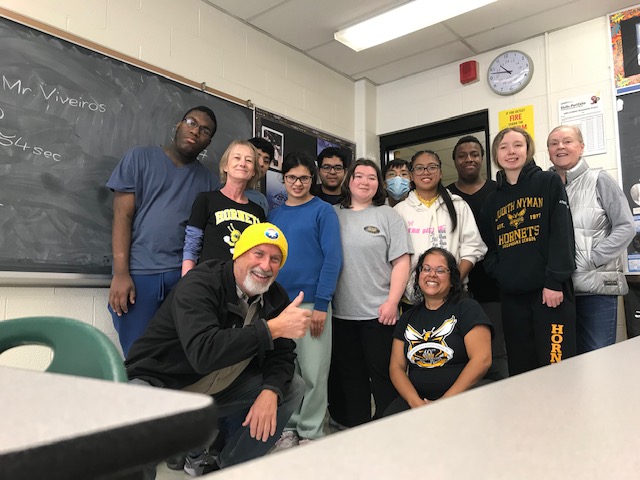
Pictured in this photo are students of Miss D’Mello’s class from Judith Nyman Secondary School
K.C., Miss Bouwhuis, Iyaney, Beatrix, Div, Katie, Sherman, Myrene, Sean, Erica, Dittie, Joel (me) and Miss D’Mello.
People Experiencing Homelessness vs. Unhoused vs. Homeless: What Is the Difference?
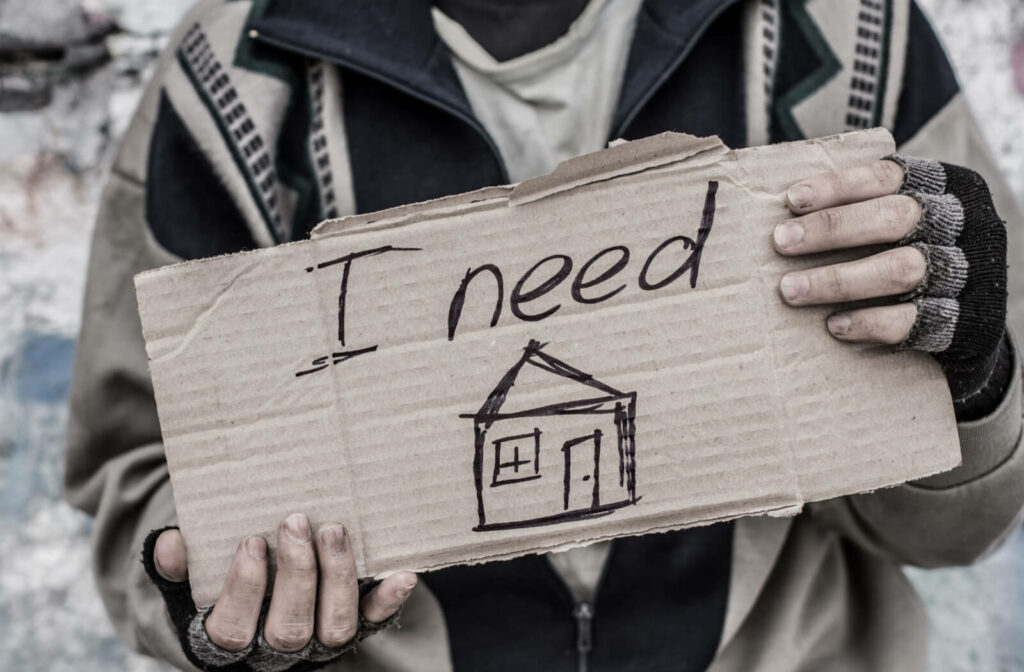
Homelessness impacts thousands of Canadians, who face discrimination, social exclusion, and lack of essential care. When discussing homelessness, the individuals experiencing this may have several terms used to describe them. Homeless, unhoused, and person experiencing homelessness are different terms used today, but what is the difference between them?
Continue reading to learn more about the difference between these terms and the best ones to use when discussing homelessness.
People Experiencing Homelessness vs. Unhoused vs. Homeless: The Difference Between Them
People experiencing homelessness, unhoused, and homeless all mean the same thing, a person lacking consistent shelter. However, the way you describe this situation matters.
“Homeless people” is a common way to describe someone experiencing homelessness, but it has negative connotations—it summarizes the entire homeless experience in a few words. “Unhoused” is an alternative, potentially more positive, way to say someone is experiencing homelessness, but it focuses on a person’s lack of shelter.
Using the term “people experiencing homelessness” focuses on the experience someone is going through rather than defining them as that experience. This experience is more than a lack of housing—according to the Canadian Observatory on Homelessness, it is a negative, unpleasant, unhealthy, unsafe, stressful, and distressing experience.
People Experiencing Homelessness Face More Than a Lack of Housing
A definition of homelessness set by the United Nations states that you cannot capture the experience of homelessness “without a richer definition that goes beyond the deprivation of physical shelter. Reducing the matter to putting a roof over one’s head, would fail to take into account the loss of social connection—the feeling of ‘belonging nowhere’—and the social exclusion experienced by persons living in homelessness.”
Homelessness is much more than simply not having regular shelter, and defining someone as a “homeless person” ignores the other aspects of this problem. It’s common for someone experiencing homelessness to be discriminated against due to their current situation.
Many people experiencing homelessness are banned or restricted from public and private areas others are allowed to experience, such as public parks, streets, restaurants, stores, malls, and more. Combined with other discrimination based on race, sexual orientation, mental illness, age, and other factors, many people experiencing homelessness are often seen as lesser than others.
Undesired, potentially dangerous environments may be some of the only areas people experiencing homelessness can stay in, putting them at risk of health problems. Many aspects of homelessness can affect general health, including:
Limited, if any, access to healthcare
Food scarcity
Unsafe environments
Violence
Poor living conditions
Severe weather
Anyone Can Experience Homelessness
It can be common to treat people experiencing homelessness as outliers in the world—people don’t have a home because of their own faults, mistakes, or laziness. However, anyone can become homeless for various reasons, including:
Economic & societal issues
Poverty
Housing shortage
System failures
Personal circumstances
Relationship problems
Domestic violence
While anyone can experience homelessness, it’s important to note that marginalized populations (Indigenous peoples, racialized communities, LGBTQIA2S+, people with disabilities) can be more likely to experience homelessness.
Why Say People Experiencing Homelessness?
Saying “people experiencing homelessness” is a more respectful way to discuss the situation of homelessness. It avoids putting groups of people together by the one common aspect of their lives (experiencing homelessness) and acknowledges them as unique individuals.
When discussing homelessness, person-first language is important.
The Importance of Person-First Language
Person-first language emphasizes a person by seeing them as a unique individual, not a disability, disease, or experience. It follows the idea that a disability or experience is not the defining trait of a person.
Person-first language is common when discussing someone living with a disease or illness (for example saying “someone who has diabetes,” rather than “a diabetic”). This same level of respect applies to someone experiencing homelessness.
When discussing the issue of homelessness, you can show respect and empathy to those affected by referring to them as someone who experiences homelessness.
What Can You Do to Help Combat Homelessness?
While person-first language is important when discussing homelessness, other actions are necessary to help combat this nationwide problem. While homelessness can seem like too big of a problem to handle alone, you can make an impact in your local community. There are many ways to help fight homelessness.
Some ways you can get involved in your community include:
Donating goods
Attending or organizing events
Making donations
Volunteering
There is always a way to help those in need. Contact us today if you’re looking to help make a difference in your community.
Regeneration: Where Transformation Happens

“If we do not transform our pain, we will most assuredly transmit it”- Richard Rohr
As far as I am able to tell, pain is one of the few unavoidable realities of the human experience. Every person, even those with incredible privilege, has been met with pain at some point, and most of us spend more time working at avoiding pain than we’d like to admit. At Regeneration, pain and its impact on lives is a visible and essential part of the transformative work that happens every day.
My first two years at Regeneration were a lesson in understanding how unresolved pain can and will be transmitted to other people. As a human being going through intense self-reflection and so many painful life changes, I was in circumstances where I needed extra love and support from people around me. Unlike so many of the people that I served and cared for, I was in the fortunate position of having family and friends who would listen to me, and support me in my place of need. Moreover, I worked with a team of incredible staff, volunteers and guests that encouraged me everyday and treated me as someone who belonged.
There is no better place that I can think of for people who are hurting and in need of a warm embrace than Regeneration. The mission of a loving community is exactly what people experiencing pain are searching for- on so many occasions I have heard the words “if it wasn’t for Regen, I would be dead” or “I do not feel judged here”. The staff and volunteers who give of their time and energy do so to help others find a place to be, an ear to listen and a shoulder to cry on. It is that kind of experience that allows hurting people to begin that transformative process of healing; that long arduous journey toward wellness that is often unfathomable for our guests when we first meet them.
It’s easy for an outsider to walk in and see the coffee and breakfast, or the line of guests waiting to receive their weekly groceries and see Regeneration as a simple food bank or meal program. After all, take away all the additional services, system navigation, showers, laundry, technology support, referrals, health care and social work partners, and spirit of kindness and Regeneration would be a simple food distributor. As someone whose trajectory has been profoundly impacted by the transformative work of Regen, I know how life-changing a conversation over a cup of coffee can be.
Regeneration Brampton Fall Update
A Special Note from Jenna
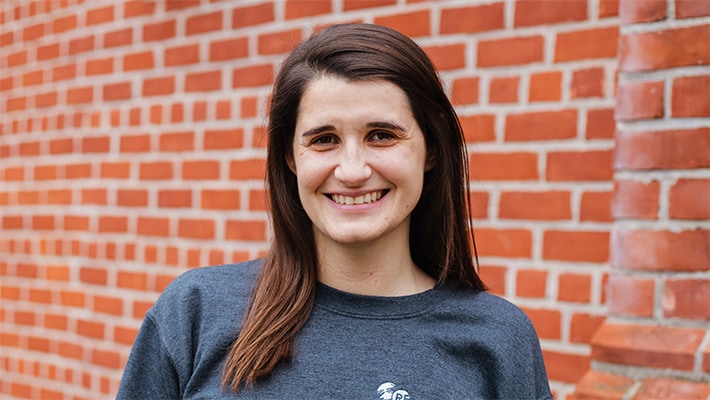
As someone who has given to the Regeneration Outreach Community — as a volunteer, or through financial support or donation — I want to thank you for the care you have shown to Brampton’s vulnerable people. As our CEO Ted Brown takes a well-deserved sabbatical, I am honoured to get the chance to thank all of you personally for the spirit of love and generosity that you share for our community.
The work at Regen everyday extends well beyond the meals, the food distributed, and the showers provided. The impact that your support has had, reaches much deeper than those small comforts, as essential as they are. Each life-affirming conversation that happens in our doors makes a huge difference for people who are often clinging to hope that they can experience love, care, and trust.
As we approach our 23rd anniversary, the impact your support can have is as evident as ever. The past couple of years have been particularly difficult for all of us, but have had an outsized impact on those who seek comfort and support through Regeneration.
As we have been able to return to sit-down service again, we have realized a need for new kitchen equipment to help provide the more than 250 meals that Regeneration provides those in need in Brampton each day. Because of this need, we are asking for your support. Our ability to serve the community is currently limited by a lack of quality kitchen equipment to prepare meals for our guests. We are looking to purchase new kitchen equipment so that we can increase the number of meals that we serve 365 days a year. Specifically, we are in need of kitchen hardware, aprons, pots and pans, and knives.
We need the tools to be able to serve our guests with the high standard to which we have always strived. This new equipment will allow us to prepare and serve meals in a timely manner, with significantly less prep time. It will also help us achieve our plan to restart a series of cooking and baking programs, which have been very popular and beneficial to our guests in the past.
I hope that you will consider these needs as we approach the last quarter of 2022. Your generosity will make a tangible difference.
I want to thank you for being a fundamental part of our mission and our passion — and for making this world a kinder and more loving place for those who desperately need it.
Jenna Robson, Director of Operations
Standing in the Middle
This year has been one of drastic change- 2022 has brought with it a new chapter of transition for the COVID-19 pandemic and as much of the world recovers and settles into “a new normal,” those who we serve at Regen are disproportionately impacted by rising costs of living. With sky high rental and food prices, changes in social assistance processes, and the end of temporary COVID-19 measures that afforded people accommodation, Regeneration continues to find ways to stand in the middle for people who feel like they are slipping through the cracks.
The Region of Peel has released results from a 2021 Point in Time study that surveyed individuals who were experiencing homelessness, and the numbers speak to a continued need for Regeneration’s services. Listed below you can find a few notable statistics from the PIT count, but please scan the QR code if you are interested in learning more about homelessness in the Region of Peel.
45.5% of respondents experienced homelessness when they were 25 or older
33% reported reason of losing their home because they were not able to pay their rent/mortgage
27% reported reason of losing their home was because of relationship dispute
When asked if housing loss was related to COVID-19, 73% of respondents indicated “no”, 10% responded “yes” and 2% did not know.
At this time we are seeing record numbers of people seeking assistance at our meal programs, as we saw a 40% increase of people accessing our breakfast and lunch programs from May-July 2022 compared to May-July 2021. We have also seen a 33% increase in trips to the Marketplace during the same time period, as families are seeking additional support for their weekly groceries. The growing need for support for individuals is evidence that this reality for low income individuals and families will continue for the foreseeable future, and Regen will continue to do the difficult, but rewarding work of serving its guests with love and dignity.
This work does not happen without the support of the community, as Regen celebrates its partnerships with over 30 organizations that are also serving people in Brampton, Peel, the GTHA and beyond. Regeneration has procured over 800,000 lbs of donations from our community in 2022, and this food has been distributed to those in need. This is a huge success and something to celebrate, while also recognizing that with the growing food insecurity that faces so many people, our team needs to find new avenues and efficiencies in acquiring and sharing these resources with individuals, families and community partners.
Everyone Counts Peel 2021 Community Report
Ayo’s Story
“I am happy to have you guys here! You guys are the only family I have here.”
For many people around the world, moving to Canada promises a prosperous and exciting future for them and their families. One of our guests at Regen, who we will call Ayo, moved to Canada from Nigeria with the expectation of bringing his family along with him. Through many challenges, including immigration issues and his own battle with his mental illness, Ayo has come to Regen for support- food, system navigation, but mostly to have a home away from home as he awaits to be reunited with his loved ones.
“I can come to this place and weep because this is the only place I feel loved. I know you all love me!”
Regen’s Urgent Needs:
Volunteers: We are in urgent need of volunteers for our Thrift Store and Breakfast program.
The Importance of Community
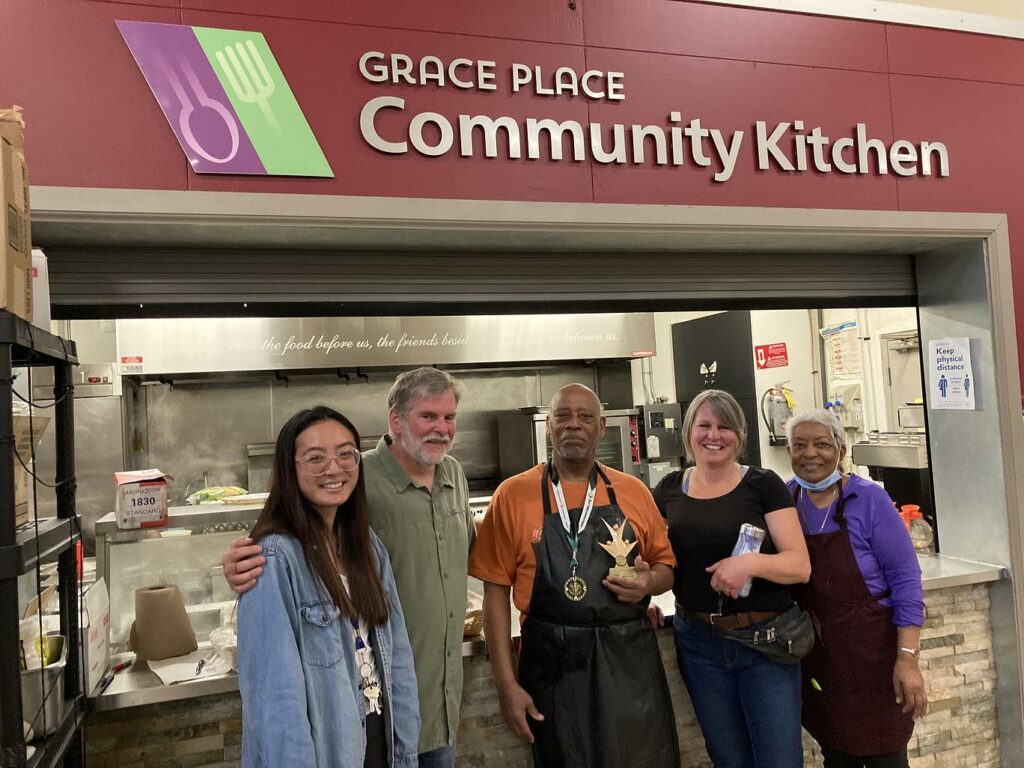
At Regeneration, we believe that every person deserves the essentials of life. Unfortunately, those who are living on the street don’t have access to these basic necessities. In addition to this, individuals who are experiencing homelessness are also dealing with other issues such as poverty, unemployment, disability, eviction, domestic violence, long-term illness, mental health problems, addiction, breakdown of relationships, discrimination, and so much more.
These days it’s easy to think of only ourselves. Life is tough, and the pandemic made life just a little bit harder. Most of us, however, have people around us who can build us up, inspire, encourage, and cheer us on. This isn’t always the case for the population that we serve. At Regeneration, we want to be those people to our guests. We want each person who walks through our doors to know that we love, respect, and care for them, no matter who they are and what they have done. At Regeneration, community means much more than just a group of people who share common interests. For us, community is a feeling of fellowship with one another. It means building relationships, and being there for each other in all walks of life.
In John 15:12 it says, “This is my commandment: love each other in the same way I have loved you.”
As a Christian organization, we strive to be a caring and loving community that helps to restore hope, purpose, and dignity to those who are experiencing homelessness. No one can do life alone, and it’s important that we as a community not forget the most vulnerable.*If you would like to join us in our mission, please visit our website to see how you can get involved.
Do Shelters Provide Food for Those Experiencing Homelessness?
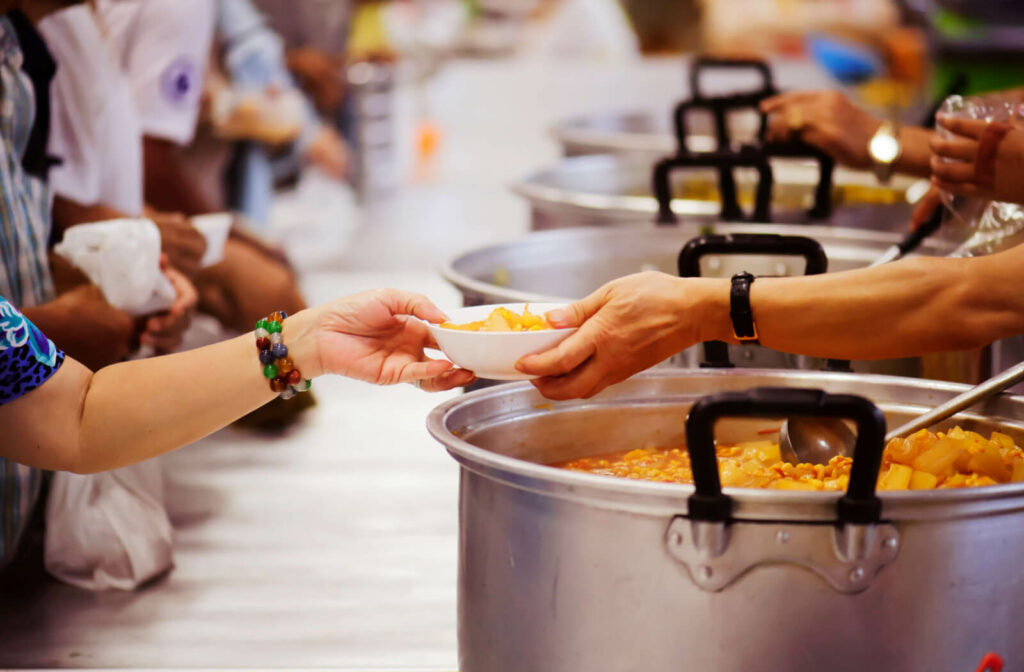
Many people in Canada struggle with the basic necessities of life: Shelter, food, safety, hygiene, clothing, and access to healthcare. According to research, the effects of the Covid-19 pandemic increased household food insecurity in the general population from 14 to 17 percent. This shows that you don’t have to be homeless to be hungry.
The economic instability from the pandemic has also led to an increase in the number of homeless Canadians. Life is challenging when you combine homelessness and hunger. So, where do people who are homeless get their food?
Outreach communities and shelters offer essential needs for the homeless, including food and other services.
Causes of Homelessness
Homelessness in Canada can stem from the following reasons:
Loss of employment
Lack of affordable housing
Separation in the family or family conflict
Family violence
Mental illness
Poor physical health
Substance use or addiction
Physical, sexual, or emotional abuse
Vulnerable populations include:
Women: Many women live on low incomes and are more likely victims of domestic violence.
Indigenous Peoples: Indigenous Peoples are at higher risk for poverty and inadequate housing because of historical trauma and discrimination.
Children and youth: 20% of the homeless population in Canada are between 13 and 24 years.
Veterans: 4.4% of homeless individuals are veterans. Veterans are at higher risk of homelessness due to anxiety, post-traumatic stress disorder, or addictions.
Provinces and communities respond to homelessness by offering people who experience homelessness a place to sleep, food, hygiene, clothing, and care. These may include food banks, soup kitchens, outreach programs, drop-in centres, and shelters.
What Are Shelters?
People experiencing homelessness often seek shelter in places that can be dangerous and unsanitary. Homeless shelters provide temporary accommodation for people experiencing homelessness to sleep overnight.
Some also have additional services such as meals, hot showers, access to laundry services, and addiction or support services. Shelters may often also have resources to help people experiencing homelessness get back on their feet and reintegrate into society.
Emergency Shelters
Emergency shelters provide resources for individuals, families, and youth experiencing homelessness and crisis. Crisis includes domestic violence, sexual abuse, fleeing an abusive relationship, unemployment, addiction, and mental illness.
Some emergency shelters cater to genders and age groups. For example, women-only offers temporary or transitioning housing and additional support like counselling, legal assistance, food, and mental health.
Shelters Provide Food for the Homeless
Not having food or 3 meals a day is the reality for many people facing homelessness. They also prefer prepared meals as they have nowhere to cook food.
But how can they buy food if they have no money or job? And finding work if you are constantly hungry or malnourished is another hurdle.
Homeless individuals are susceptible to physical, emotional, and mental health consequences without adequate food. They are more likely to have poorer overall health and are at higher risk for chronic conditions.
Many shelters offer daily meals and a space for people to sit and enjoy them. At Regeneration Outreach, we offer an essential care program to break the cycle of poverty by providing daily hot meals.
A healthy and filling breakfast is served daily from 8:00 AM to 9:30 AM
A nourishing and delicious lunch is served on weekdays from 11:30 AM to 12:30 PM
Regeneration Outreach also offers our Marketplace (food bank service), a much-needed reliable food source for vulnerable communities. It’s open from Tuesdays through Saturdays, by appointment only.
Ontario, specifically Toronto, has the highest number of homeless people. There are ways in which we can show support for the homeless.
Donating food items to food banks, soup kitchens, and shelters can make a huge difference. Urgently needed items are:
Pasta sauce
Canned fruits and vegetables
Hot and cold cereals
Oil
Pancake batter, flour, and syrup
Canned meats
Teabags
Peanut butter
Jelly
Homeless shelters often depend on volunteers to help support those going through homelessness. Individuals who volunteer their time in shelters can:
Serve meals
Provide help with resources and professional services
Or simply lend a listening ear to make things less stressful.
Providing Basic Needs
Although shelters offer temporary housing, they provide so much more with meals, services, and other resources for those experiencing homelessness. Reliable and consistent food programs can fulfill one of the basic needs.
Are you interested in joining Regeneration as a volunteer? Contact us to learn about short-term, long-term, and group volunteering opportunities.
Finding a Home at Regeneration
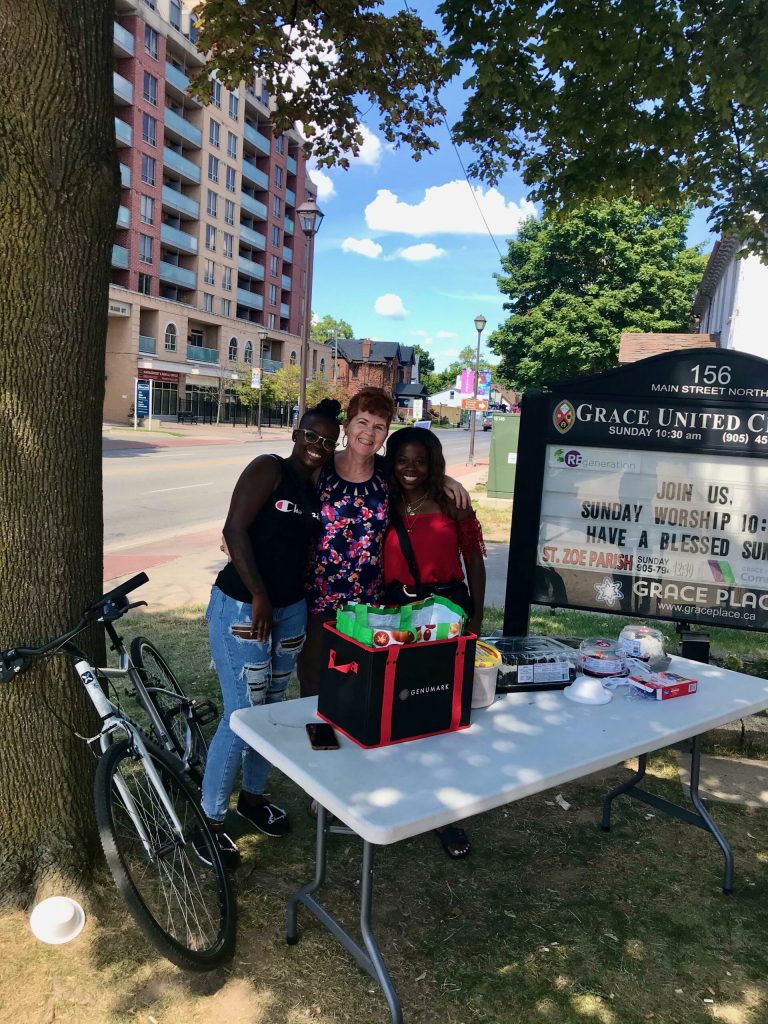
I have been working in the Brampton Community for many years. This by far is one of my best experiences in the field. Being able to stand side-by-side with the guests as an advocate and as a friend has been such an amazing experience. Here, I am able to get to know the guests personally as unique individuals. I love that I am able to meet with them on their terms and offer my support in ways that they want or need instead of having to force them to meet me on my terms. At Regeneration, the guests have real self-autonomy and are empowered by Regeneration staff and volunteers. Here, the guests have access to many resources and supportive services available to them that they may not find anywhere else in the community. These resources are delivered via a wraparound service model with a wealth of ongoing support for guests. The level of support that is offered to the guests is unmatched in the Brampton community. At Regeneration, guests can experience true grace and compassion; and for many, this experience is life changing. However, what I find makes Regeneration so special is that here, we are like one big family- guests, volunteers and staff alike. We laugh together, cry together, celebrate together and mourn together. We eat together, play together and sometimes fight with one another, but at the end of the day, we always protect each other. This is a family, and to some of our guests, it is the only family they have ever known. It is truly a blessing and an honor to be a part of this family.
The guests are beautifully unique and intelligent individuals who have so much to share, and when you take the time to really listen to them, you will see that there is so much to be learned from them. I can say that I teach guests lessons that they can carry with them while they navigate through life. While this may be true, I feel that they teach me things equally as much. In all honesty, some of my greatest life lessons and greatest inspirations have come from the people I serve. Many of them have experienced life in ways that most people have not, and from this they have gained valuable and profound insight. From them, I have learned lessons that no text book, fancy degree program or training seminar can teach. These lessons come straight from lived experience and straight from the heart and have been more valuable to me in my personal and professional life than any other degree or certification that I have acquired. Every single day there is something new to be learned, and from every single individual there is a lived experience to learn from. To them, I am grateful.
I look forward to my journey at Regeneration Brampton. I welcome all the ups and downs it may bring. I will aim to keep the good times close to my heart and open my mind to learn from the not so good times. The lessons that I learn, the people I meet, and the experiences we share will always remain with me