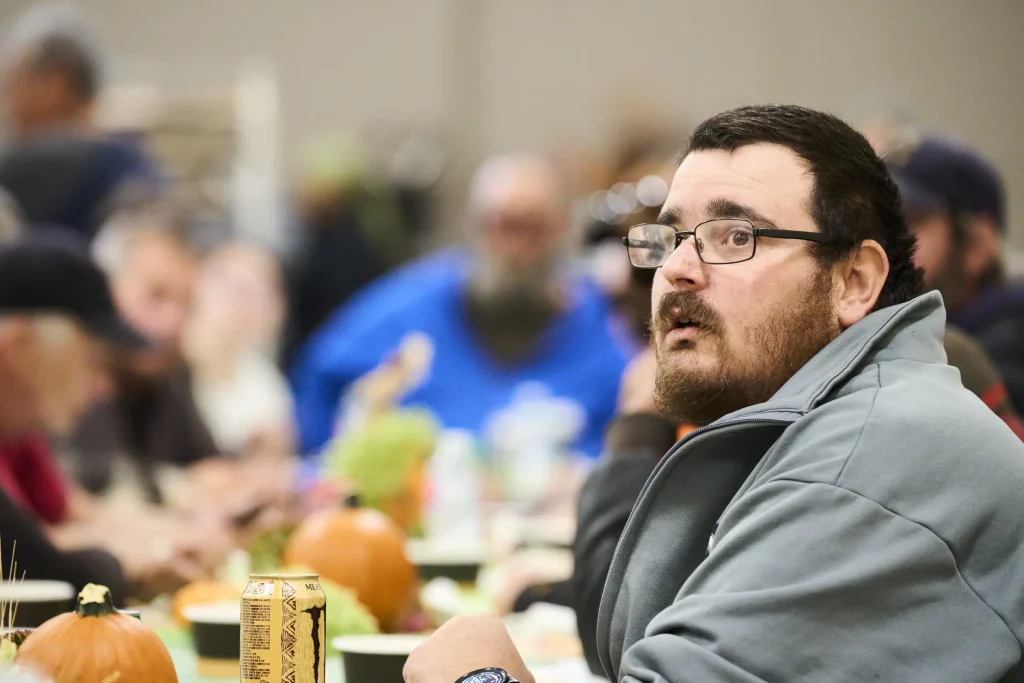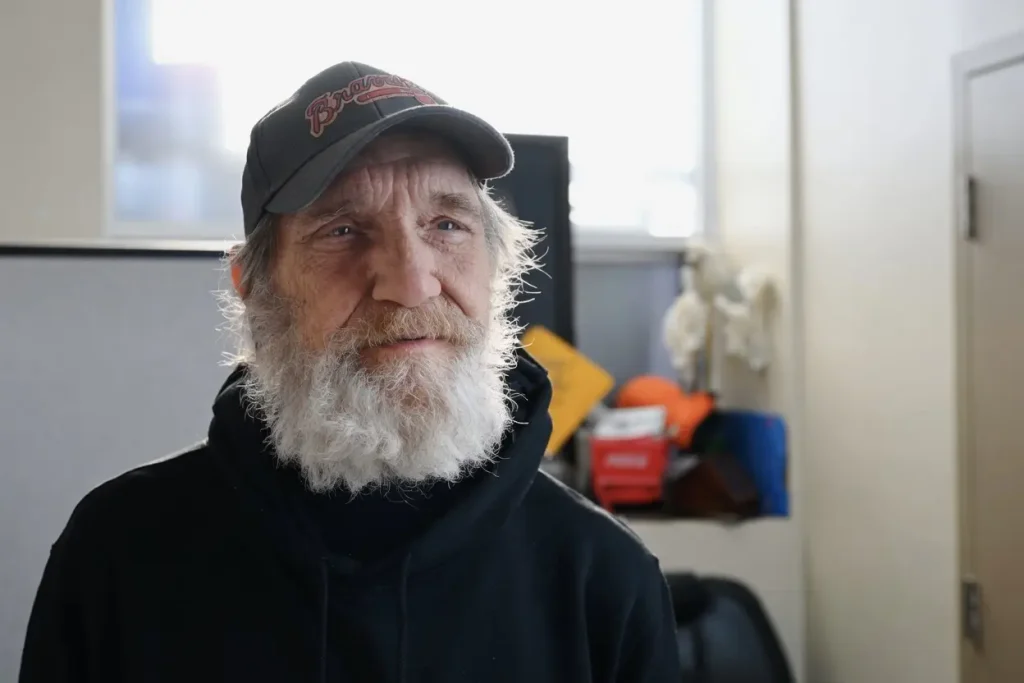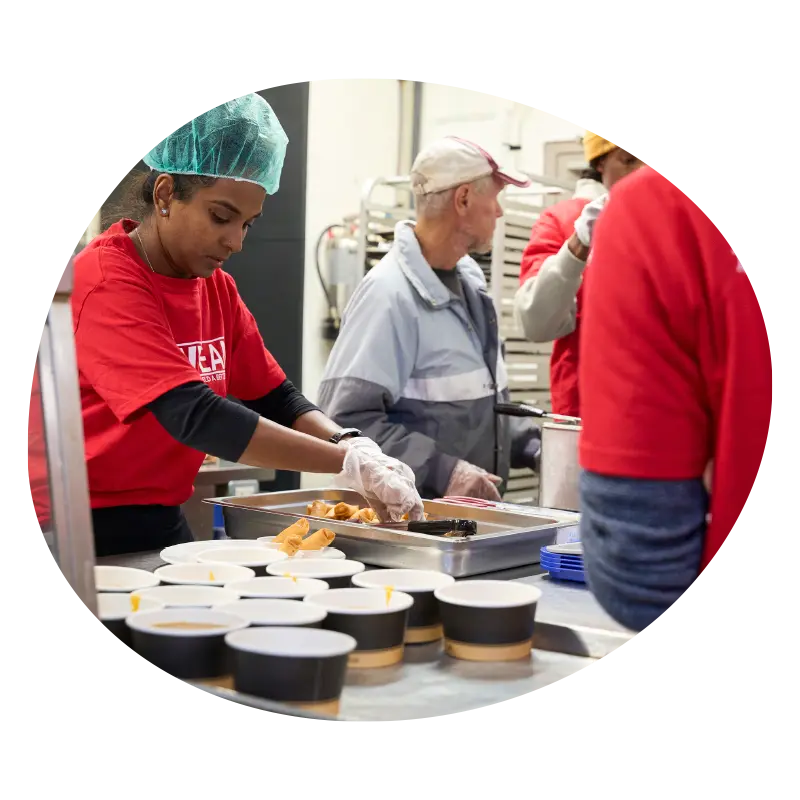

Homelessness is a social concern that affects hundreds of thousands of people across Canada in any given year. Programs are available to support people experiencing homelessness with basic needs, such as food, hygiene, clothing, and community with addiction services, life skills, and social interaction.
But can people experiencing homelessness get access to medical care? The answer is yes, yet it’s not always that simple. People experiencing homelessness are at a higher risk of suffering from health problems and premature death, and this can also create barriers that hinder their access to health care.
Let’s take a closer look at homelessness and what medical care is available to those experiencing homelessness.
Homelessness
Homelessness may result from forced displacement and deprivation in the form of inadequate shelter, lack of access to resources or services, marginalization, exclusion, and the inability to fulfil basic needs such as food or health care. Homelessness can constitute anyone living in the streets, sidewalks, parks, abandoned buildings, cars, and emergency shelters. People living in motels, hostels, someone’s couch, or rooming houses are at risk for homelessness.
Homelessness affects people of all ages, genders, and racial backgrounds, but certain population groups are more at risk than others:
- Single adult men between the ages of 25 and 44 years
- Single women who are older and have a history of mental illness or substance abuse
- Women with children with a history of family violence
- Youth between the ages of 13 and 24
- Young people between the ages of 20 and 25
- Indigenous people
The Need for Medical Care
With homelessness comes several factors that result in an increased risk of mortality and health issues. These include extreme poverty, a delay in seeking help or care, noncompliance to therapy, cognitive decline, and other adverse health effects associated with homelessness.
Homeless people in their 40s and 50s present with health disabilities typically seen in older people. And those living on the streets compared to in shelters also have worse health circumstances.

Access to Medical Care
Even with Canada’s universal health care system, people who experience homelessness still face barriers to accessing adequate health care. These barriers can include:
- Lost or stolen identification
- No health card
- Lack of medical insurance
- Lack of a balanced diet
- Not having a family doctor
- Chronic illness
- Discrimination
- Putting other basic needs before health care
- No transportation
Patient Rights
People experiencing homelessness may not know that, as patients, they have rights within the Canadian healthcare system. Patients’ rights in Ontario include:
- Receive safe and proper care.
- Give or refuse consent for any procedure for any reason.
- Have a medical professional clearly explain health problems and treatments to you.
- Participate in health care decisions.
- Ask questions and express concerns.
- Request a second opinion; within reason.
- Be assured that personal information is confidential.
- Request to access your health information records.
- Request the transfer of your health records to another medical professional. It may incur a fee.
Obtaining Identification
A health card can significantly increase your access to primary health care in Ontario, such as access to a family doctor, nurse practitioner, or social worker. Included are diagnosis, treatment, management, and disease prevention.
Not having an ID can discourage people experiencing homelessness from seeking medical care. To overcome this barrier, ID clinics across Canada can help individuals to obtain birth certificates, SIN numbers, and photo identification.
For eligibility for health coverage in Ontario, individuals must be Canadian citizens or legal immigrants, permanent residents, and physically present in Ontario for at least 153 days of any 12 months.
Programs
The province of Ontario’s homelessness programs aims to end chronic homelessness by 2025. They include the Community Homelessness Prevention Initiative (CHPI), Home for Good (HFG), and the Indigenous Supportive Housing Program (ISHP). It plans to do this in 2 ways:
- People experiencing homelessness can obtain and retain housing.
- People at risk of homelessness can remain in their homes.
Don’t have an Ontario Health Insurance Plan (OHIP) or health card? Other resources and programs are available such as community centres, drop-in clinics, community health teams, and clinics for the uninsured.
Other options for primary health care include:
- Nurse practitioner-led clinics: With or without OHIP, you can receive comprehensive primary care, health promotion, mental illness, and chronic disease management.
- Aboriginal/Indigenous health access centres: No OHIP required.
- Telehealth Ontario: A free, confidential telephone service in Ontario where you can speak to a registered nurse.
Health Care for People Who Are Homeless
Every person is worthy of love, dignity, and respect and deserves access to medical care, regardless of their circumstances. At Regeneration Outreach Community, our partnerships with primary care providers offer health, medical, or mental support.
Reach out to us whether you seek emergency room care, a family doctor, counselling, identification documentation, or other related resources.