

COVID-19 & Its Effects on the Homeless
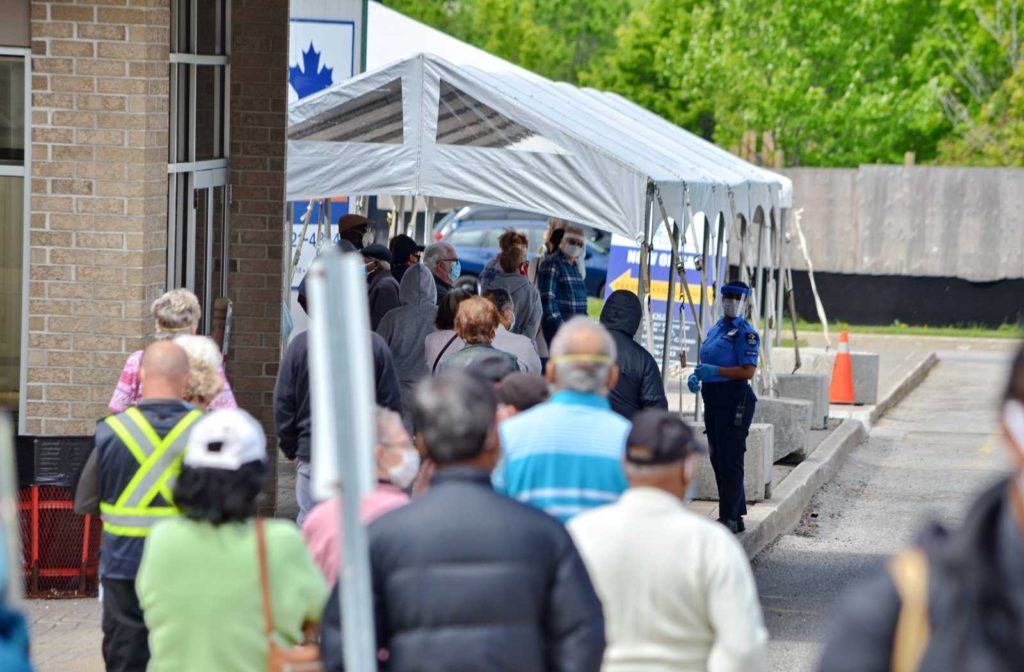
COVID-19 has upset the balance of society everywhere you look. While economic downturn, schools’ social distancing measures, and unemployment are all problems for most— some of society’s at-risk populations are experiencing unfamiliar pressures. Homelessness is rising in Brampton and nearby Mississauga. The nature of the pandemic hinders conventional services for those in need.
That number of people is bound to grow as long as the COVID-19 crisis persists. But whether volunteers, donating stakeholders, or guests struggling with economic pressures — we’re all trying to work with strategic partners to find creative solutions to keep our communities habitable and safe.
Social Distancing & Emergency Shelters
Before the COVID-19 crisis, there was already a budding housing crisis in the Peel region, with 32% of 922 homeless experiencing chronic periods. Meanwhile, another 24% faced episodic homelessness.
Housing affordability has put pressure on at-risk populations for some time. By 2019, the situation was already dire. Subsidized housing keeps an option open for low-income households struggling with high rents and mortgages.
There were 7,000 subsidized units, all full, while 13,000 more households sat on a waitlist. 11,887 households received a housing subsidy while living elsewhere. The average wait time for subsidization for Peel residents was 6.42 years.
In May 2020, hotels were stepping in, to relieve the dangers of overcrowding. Before the pandemic, shelters could keep a certain number of occupants in for the night according to fire code.
But with the COVID-19 response, social distancing measures in place and a need for unconventional solutions has grown. In May 2020, 51% of the Peel region’s emergency shelter seekers shifted to hotels.
New Drop-In Centre
Regeneration has opened a new drop-in center in response to the crisis. Circumstances demanded that we contribute what we could so that 47% of Peel’s homeless region could still access shelter during the crisis.
To stay true to our mission, we’ve been working to lessen the risk of virus transmission by implementing safety measures. Since our drop-in centre opened, we’ve tried to keep our guests safe by screening new entrants, spacing them out, and disinfecting areas routinely.
Still, at-risk and vulnerable populations are struggling with income to meet needs that shelters can’t provide.
Unemployment & Economic Downturns
In the 2nd quarter of 2020, from April to July, unemployment in the Peel region grew to a record high of 15.7%. Youth unemployment was also up to another record high of 32.6%, meaning at-risk youth facing homelessness need support more than ever.
Families trying to provide for children have much less to work with when budgeting for goods and services beyond their basic needs. The unemployment rate’s spike during this period has been linked to restrictions on businesses due to the COVID-19 crisis.
It’s been the sharpest jump in the recorded history of the region’s isolated unemployment rates, reaching back to 2006.
Employment rates are expected to improve, but because of the time elapsed at those rates, unemployed persons facing homelessness are likely to be competing all at once for positions that can only open slowly and gradually due to lifting restrictions.
After food and permanent housing costs, disposable income has become significantly scarcer, thanks to the economic challenges. The need for functioning soup kitchens could help those struggling with disposable income.
Soup Kitchens
Soup kitchens have been severely cut back, with only a few still operating. Many have switched to a take-out only model. Dining in together with a hot lunch is something our community has relied on — not only for nourishing the hungry — but also to provide a sense of community and bonding.
Limited Dine-in
While Regeneration is keeping a close eye on gathering limits and how to form COVID-safe social circles effectively — we’ve maintained a dine-in option for Brampton soup kitchens as much as possible.
We’re also paying attention to the gap left by other soup kitchens closing temporarily to maintain safety for volunteers and guests — and working with strategic partners to combat hunger. For people facing homelessness in Brampton during these trying times, some coordinated efforts could go a long way.
Clothing
Since the COVID-19 crisis began, it hasn’t been obvious how clothing donation practices can or should adapt to the evolving situation. But there’s still a need for a decent clothing supply for people facing chronic or episodic homelessness in Brampton, especially for the winter portion(s) of the COVID-19 crisis.
A reliable practice for donating safely includes calling ahead to check on the status of clothing donation centres. If they’re closed for donation, it can pose a safety risk to dump them in front of a collection bin.
Also, hanging them on a rack in your home and merely waiting can help. If donation centres need to put a temporary hold on accepting clothing, it’s best to try again later. Because of the need for limited and sanitized contact between hands, would-be donations might not make it time for the coldest months.
Donation & Purchase
Regeneration Thrift Store is open and keeping conditions as COVID-safe as possible for shoppers in need of donated clothing. The need for clothing is here to stay, despite the dangers, but stakeholders who would like to donate clothing might be hesitant. Through it all, we’re here to help keep everyone clothed for the duration of the pandemic.
Pulling Through Together
The COVID-19 crisis has widened the cracks that people can fall through in this economy. Businesses struggle with affording to hire people, shelters can’t take as many in, and soup kitchens have to limit how many can share in meals at a time.
From shelters to clothes donation and soup kitchens, we’ve all had to rethink how we help people before they suffer from circumstances beyond their control. Don’t be afraid to reach out and connect with us if you’re in need or if you just want to see how you can help.
10 Tips for Re-Entering the Workforce

Returning to the workforce can be an intimidating feat, especially if you’ve been out of it for an extended amount of time. If you’ve experienced homelessness, you may feel discouraged – especially if your last attempt at finding work was unsuccessful.
At Regeneration, we understand the struggles that our guests have been through, and we’re sure you have your own story. We have helped countless individuals make significant changes in their life, and we want to help you change yours, too.
We’re here to tell you that you are fully capable of re-entering the workforce, no matter what your past was. If you’ve been out of work for days, months, or years, it doesn’t matter – you are deserving of rewarding employment and recognition.
1. Cultivate Your Unique Story
Everyone has a story. When you’re looking for work, you have to work your personal story to account for your uniqueness and what you bring to the table. It’s no secret that any potential employer will likely wonder about extensive gaps on a resume, but what should you say?
You should never be ashamed of what you’ve been through. Overcoming homelessness, addiction, domestic violence, or any traumatic experience is a milestone. Although you may not need to go into too much detail, your story can help paint a picture of perseverance, bravery, and dedication.
If you’re determined to gain employment, you can, and your story can simply be a stepping stone to help you get there.
2. Evaluate Your Work Experience
One of the most important things a potential employer will look for is work experience. You may have a few gaps on your resume, but any work experience can be developed to help you highlight the skills you’ve learned at past positions.
A lot can change in a short amount of time, so be sure to keep that in mind when you’re job hunting. If you can, try to catch up with a past industry you were involved in so you can comment on how it’s changed and what you may need to prepare for.
Identifying skill and knowledge gaps you may need to fill can put you at an advantage. If you let a prospective employer know what you know and what you’d like to learn, it shows you’ve put in the time and effort to evaluate your competencies and where you can add value.
3. Practice Your Interview Skills
The interview process is your chance to make a lasting impression on an employer you may want to work for. Brushing up on your interview skills will help you feel more confident and prepared for even the most obscure questions.
Start by researching common questions hiring managers ask in the industry you’re applying for. Glassdoor, a job bank site, also has an interview section where previous interviewees submit information on various companies’ interview process. Here, you can see specifics on what you can expect from your interviewer, from the overarching strategy to specific interview questions.
There are plenty of resources available online to help you land and ace an interview, but it’s crucial you take the time to do so. Being prepared for an interview will show through your answers and body language.
Take some time to learn about the company, what they do, and try to develop a few points that exemplify how you can add value to their business.
4. Be Open to New Experiences
The world is changing and evolving every day. Positions that were once integral to a company’s operations and now obsolete and positions that didn’t exist 5 years ago are now at the forefront. Because of such rapid growth and change, try to stay open-minded during your job hunt.
Even if you only worked in a handful of positions within similar industries doesn’t mean you can’t be successful at another. Many companies will hire new employees with little to no experience if you express you are willing and able to learn.
5. Tweak Your Resume
Your resume is a critical part of the job-hunting process. Your resume is the first impression that will decide whether or not you will get the opportunity to interview. Polishing it up so it truly speaks to the capable, talented human being you are is essential.
Research some jobs in your area and save a few postings you may be interested in. Then, compare your resume to the postings. Do any of the skills and proficiencies you list match those of the job posting? If not, how can you adjust it, so it feels like it fits?
Be sure to adjust each resume you hand out to the specific job you’re applying for to increase your chances of getting an interview.
6. Develop an Impactful Cover Letter
The resume is only half the battle when it comes to finding suitable employment. Crafting a job-specific cover letter to each position you apply for speaks volumes to your dedication. This also gives you a chance to talk directly to the employer before your interview.
A great cover letter should include:
Specific job skills, traits, and past experiences relevant to the position
Business letter formatting, including contact information and a formal greeting
Details about the position you’re applying for
Details about how you meet and exceed the required skills of the position
Your interest in hearing from them regarding the position
A thank you for the opportunity to apply
If you can, try to find a specific person to address the letter to. Although addressing the letter “To whom it may concern…” is suitable, addressing it to the hiring manager by name is much more effective.
Also, if you know someone that works at the company, ask them if you can mention them in your letter or use them as a reference. Having a referral from someone on the inside can help you get your foot in the door.
7. Cast a Wide Net
When you’re job hunting, push yourself to apply for positions you may not be qualified for. Often, college applicants are encouraged to apply to 3 tiers of schools; their first choices, second choices, and “fall back” schools. This increases their chances of being accepted into a school they want to be at.
The same goes for you when you’re handing out resumes. If you lack experience or feel your skills don’t quite line up with what a position asks for, apply anyway. The right employer may see your potential and give you a chance.
8. Focus on Networking
Connections are one of the easiest ways to land yourself a new position. Create a LinkedIn account and organize it so it acts as a public resume. Recruiters often seek out potential matches on LinkedIn and browse through your experience to pinpoint if you may be a good fit.
Volunteering can also be a great addition to your resume. If you’re having trouble finding work due to a lack of experience, volunteering can put some recent experience on your resume to gain valuable, employable skills.
You can also reach out to past employers, coworkers, friends, and family members to make more connections. In some cases, it really is about who you know.
9. Seek Advice
If you have the chance, reach out to some of your friends or family who are employed. Speak with people who have been at the same job for years, someone who just got hired, and someone who hires people – if you can.
Have a trusted friend examine your resume and cover letter for ways you can improve it and ask them for some interview tips. You can also practice interviewing with a friend or have them help you pick out a good outfit for interviews.
Sometimes, having a second set of eyes and ears is beneficial when preparing for an interview.
10. Have a Vision
The most important thing of all; have a vision for yourself. Picture what you want your life to look like in 5 – 10 years and evaluate how you can help yourself get there. Finding a job may end up taking longer than you anticipate and can leave you feeling frustrated or discouraged.
Try not to lose hope. Know that no matter how long and windy your road may be, at the end of it, you’ll be at your destination.
To Sum it Up
No matter what you’ve been through, you can find employment that enriches your life and serves your needs. At Regeneration, we are dedicated to helping you through the tough times to experience some good ones, too.
If you need help, please don’t hesitate to reach out. We have a bank of resources and kind, compassionate staff to help you when you need it.
Ride For Refuge 2020

Words cannot express the gratitude that we at Regeneration Outreach Community have for all of those who have continued to contribute as volunteers, donors and friends during the unprecedented events of 2020. At Regen, our mission of serving the most vulnerable in our community has not wavered in the midst of the COVID-19 Pandemic, as we have continued and even expanded our services to individuals and families in need.
This October we ask you all to consider joining us in supporting the ongoing work at Regen by gathering your family or friends in your bubble and being part of the Ride for Refuge Freestyle.
The Ride for Refuge has been a long running fundraising cycling event that has supported many organizations, including Regen, across Canada. This year, as communities continue to practice physical distance and low contact events, the Ride for Refuge has changed it’s format so that people can fundraise and have fun safely. Here are some of the guidelines for the Ride for Refuge Freestyle:
As a thank you to all of those who are part of a Ride for Refuge team, regardless on what time or type of event you do, the Regen team would like to send you a Save the Date for a Ride for Refuge BBQ from 11:00am-2:00pm.
Regeneration’s “New Normal” during the COVID-19 Pandemic
“We are all in this together (even if we are two metres apart)!”
The COVID-19 pandemic has had far-reaching implications for Regeneration Outreach Community, as adherence to the physical distancing measures that have been established to protect the public has meant that Regeneration has had to find creative ways to fulfil its mission.
These changes have not been made in isolation however, as valuable partnerships with other organizations have been critical in responding to the shifting needs in the City of Brampton. Combining resources has allowed for a stronger united front in addressing the social ramifications from the pandemic, allowing those who need it access to much-needed support.
Take-Out Meal Program and
Personal Care
To ensure the safety of our guests, staff and volunteers, Regeneration has instituted protective measures, which begins with a take-away meal program. Using physical distancing and take-out windows, Regen is able to serve the people that rely on Regen’s meal program. There have been close to 900 meals served per week during the declared State of Emergency.
It has taken a lot
of adjustment, but the support that Regen has proudly provided to the downtown
community has continued uninterrupted because of the collaboration between the
selfless volunteers and our dedicated staff team. A great success even in such
uncertain and frightening circumstances.
Along with the meal program, Regen has also increased capacity for individuals who are in need of shower or laundry facilities. Hours for these services have been increased and now run from 7:00 am until 5:00 pm as the demand for personal care is heightened due to the shutdown of public facilities. One grateful guest said, “I figure each day I have spent about 20 minutes inside, and that’s when I come and get a shower or do laundry and get a meal at [Regen]… thanks so much!”
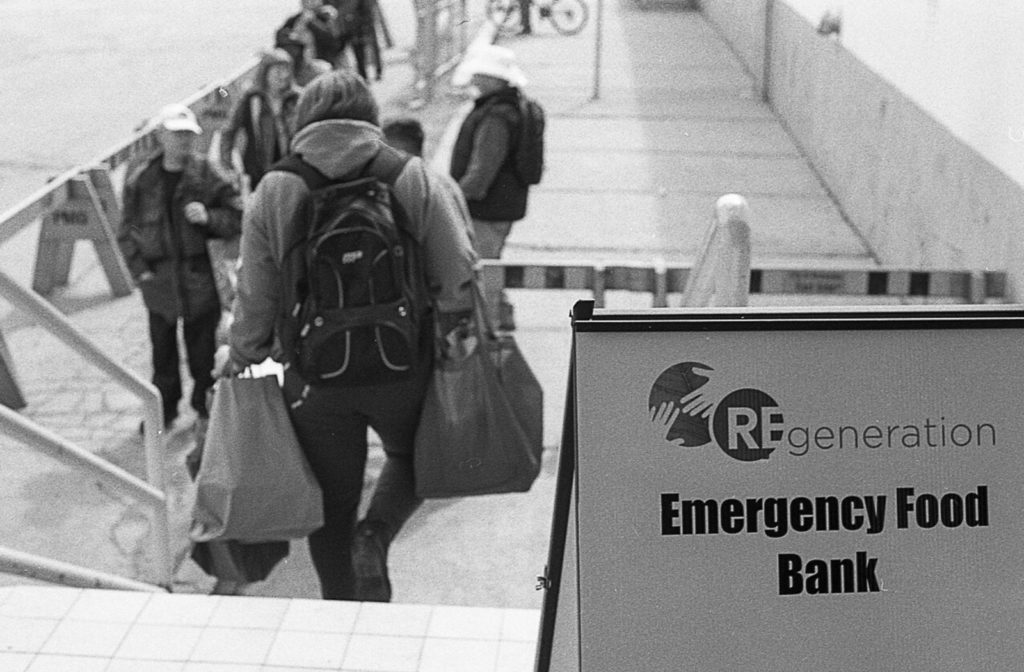
Emergency Food Bank
The reality of this necessary State of Emergency and shutdown of non-essential services is that the needs of the most vulnerable in our communities have not disappeared. For many, the needs have been heightened due to the Pandemic. With that in mind, Regeneration acted swiftly, collaborating with other organizations to open a safe and accessible Emergency Food Bank, operating out of the Regeneration Thrift Store Location.
The Regeneration Emergency Food Bank has met the needs of hundreds of individuals and families, operating weekly on Wednesdays and Fridays from 12:00 pm to 2:00 pm and making sure that food is getting to those who need it. The valuable partnerships through the City of Brampton’s Social Support Task Force has allowed Regeneration to respond in love to the needs of Brampton. In addition, the City of Brampton has partnered with the Food Bank to deliver groceries to people who are unable to access the Food Bank on a weekly basis. The response of the community has been overwhelming. Whether it be through donations of food from individuals, businesses, churches or other organizations, or the hard work of volunteers, this Food Bank has been shaped by the hearts of caring and loving people.
Drop-In Centre
Regeneration has also established a Drop-In Centre. Common areas like restaurants, public spaces, and the library are not available to those who are homeless or are without a living space. There are very limited options for access to bathrooms, communication technology, and even a place to sleep for a few hours; so Regeneration has created this space for people to do just that. Guests can use computers, a charging station and can access safe and clean areas to rest and avoid inclement weather. Guests have even got assistance in completing their 2019 taxes from this location as well as our Main Street office. The Drop-In Centre is open Monday-Friday from 8:30 am-3:00 pm.
Regeneration Drop-In Centre fulfils this need for people while practicing infection control and sanitation procedures. Guests are screened before they enter the location, and areas are kept disinfected and clean to avoid potential contamination.
For details on Regeneration
Outreach Community’s service during the COVID-19 pandemic, please visit www.regenbrampton.com
For information on how to support
Regeneration, please visit https://regenbrampton.com/donate/
Practical Ways to Recognize & Combat Mental Illness Stigma

Together We Can End the Stigma
Even though mental illness is not something anyone chooses to have, most people who live with mental illness have been blamed for their condition at some point. Outdated beliefs and attitudes contribute to the stigma surrounding mental illness and continue to harm countless individuals every day.
Fortunately, we have the power to change the conversation around mental illness. Mental illness is not “a phase” or something people can snap out of if they just “try harder”. These hurtful attitudes not only make it more difficult for individuals with mental illness to seek help but can lead to discrimination, making it hard for individuals to access jobs, housing, and other basic necessities.
Are Stigma & Discrimination The Same Thing?
Stigma and discrimination are separate but interrelated concepts. Stigma refers to negative attitudes and stereotypes, while discrimination refers to unfair treatment based on a person’s identity. Individuals with mental illness face both each day, but the only way to begin to eliminate mental illness discrimination is by tackling the stigma surrounding mental illness.
Stigma is a form of prejudice, and just like racism, sexism, and other disparaging attitudes needs to be confronted if harmful perceptions and actions are to change. Just like a physical illness such as cancer or diabetes, mental illness is not a choice or something to be ashamed of.
How to Recognize Mental Illness Stigma
How people speak and act gives away a lot about who they are as a person. Look for signs of disparaging or dismissive language and actions. Phrases like “it’s just a phase, he’ll get over it” and “she could be happier if she just tried” are both examples of disparaging language. The first dismisses the very real struggle of individuals with mental illness, and the second blames mental illness on the individuals it affects.
What Steps Can I Take to Help End the Stigma?
The only way we can end the stigma around mental illness is if we all work to do so. Though we won’t be able to end the stigma overnight, every positive action, no matter how small, contributes to this positive collective effort.
Speak Openly About Mental Health
Before we can change the discussion, we need to feel comfortable discussing mental illness. It used to be that cancer wasn’t discussed in polite company, but open and honest conversations have changed prevailing attitudes towards cancer and individuals with cancer, destigmatizing this once-taboo topic.
By talking about mental health and mental illness, we normalize these discussions and begin to change prevailing attitudes.
Setting a Positive Example
If you have struggled with mental illness before or know someone who has and feel comfortable sharing your experiences, you should do so. Someone you know may be struggling right now, and knowing that there is someone they can reach out to could make a significant difference in their life.
Educate Yourself & Others
By taking the time to read articles like this one, you have begun to educate yourself on mental health, mental illness, and the struggles and barriers many individuals with mental illness face. Look for information from reputable sources such as the Canadian Mental Health Association, the Mental Health Commission of Canada, and the National Alliance on Mental Illness.
Use Respectful & Inclusive Language
Words are incredibly powerful and have the ability to both heal and harm. Be aware of how you speak about mental illness. Some tips include:
Never define someone by their condition. A person is not their condition, and they should never be addressed as such. A person is not bipolar; they have bipolar disorder or are experiencing bipolar disorder. This applies to groups as well; Someone has a mental illness, they don’t belong to a group called “the mentally ill”.
Tread carefully when discussing suicide. Suicide is a sensitive topic and needs to be discussed using language that is respectful towards both the individual and their loved ones. Instead of saying someone “committed suicide,” say they “died by suicide” or “were lost to suicide”. If a person tried to take their own life, say they “attempted suicide” as opposed to “tried to commit suicide”.
Don’t use mental health conditions as adjectives. Unless you have a clinical diagnosis, don’t say you are “OCD” just because you like to keep your house clean or say that the weather is “bipolar” because it keeps changing quickly. Flippant language like this undermines legitimate diagnosis and makes light of very serious conditions.
Avoid hurtful words. Never say someone is “crazy”, ”psychotic”, or “insane”. For individuals who are dealing with challenging symptoms and a condition beyond their control, being called “crazy” can bring additional pain to an already difficult situation.
Don’t “other” people. Avoid using terms like “others” or “abnormal”. Referring to individuals experiencing mental illness by these terms promotes and “us” versus “them” attitude and can make individuals with mental illness appear inferior or different or make them feel like they are on the edge of or excluded from society, which they are not.
Show Compassion
Before speaking or acting, ask yourself what the consequences of your words or actions will be. Will your words help change the conversation around mental illness for the better, or harm our collective ability to combat this stigma.
Even something as simple as a smile, a few words of encouragement, or a hug’s offer can make a huge difference in someone’s day.
Be Open & Honest
If you see a therapist or psychiatrist or know someone who does, don’t hide that fact. People don’t feel embarrassed when they have an appointment with their family doctor, dentist, or optometrist, and seeing a therapist or psychiatrist should be treated the same way. All of these professionals work together to help keep our bodies and minds healthy, so just like you don’t need to be ashamed of visiting the dentist, you shouldn’t be ashamed of seeing a mental health professional.
You also don’t have to experience mental illness to benefit from visiting a therapist or talking openly about the state of your mental health with someone you trust such as a friend, family member, or religious or spiritual leader. After all, you don’t wait for your car to die before taking it to the shop; you take it in for regular tuneups to keep it running smoothly. Your mental health is the same way: keeping an eye on it and regularly checking in with someone who cares about you can help promote positive mental health and make it easier for you to get professional help if you need it.
Speak Out Against Negative Portrayals in the Media
The media and entertainment industry plays a crucial role in shaping public opinions on many issues, including mental health and mental illness. Unfortunately, people experiencing mental illness are still often portrayed as dangerous, violent, and unpredictable. News stories, in particular, often sensationalize violent acts performed by individuals with mental illness. At the same time, newspapers and news channels rarely feature stories of recovery or positive news about similar individuals.
All of these negative portrayals contribute to a culture of fear and misunderstanding. If you see a negative portrayal of mental illness or portray seeking help as a sign of weakness, you should speak up. Reach out to the company responsible on social media and let them know that you feel their portrayal is harmful.
Don’t Self Stigmatize
Acting with compassion extends to yourself as well. It can often be easier to treat others with compassion than to show ourselves the same courtesy. If you find that you are often having disparaging or disheartening thoughts about yourself (such as believing you will never get better, or that you don’t deserve help) pause and take a moment to assess what is going on. Try and figure out where these negative thoughts are coming from and consider reaching out to someone who cares about you for support.
You can also help build a positive support network by getting involved in your community.
2020 Rick Robson Memorial Golf Tournament is Postponed

Recommendations from the government to practice social distancing and shutter doors for all non-essential businesses have made it challenging to continue to provide support for our less fortunate. So, we are reaching out today to regretfully announce our 2020 Rick Robson Memorial Golf Tournament will not continue as planned. The event will be rescheduled in 2021, details will be available at a later date.
To take the place of our efforts in organizing and executing our annual Golf Tournament, we have focused on implementing take-out meals and personal care programs. We are closely following guidelines set in place by continuing to practice physical distancing and using plexiglass shielding.
We have proudly served over 900 meals per week since the declaration of the State of Emergency. Although it has taken significant adjustment in these uncertain and frightening times, our selfless staff and volunteers have made it possible to continue to make a difference.
Alongside our meal program, we have increased the capacity for individuals in need of shower or laundry facilities. With most non-essential businesses closed, access to public washroom facilities has decreased significantly – so we have worked to provide what we can for increased demand.
We’ve also collaborated with other organizations, including the City of Brampton, to get an Emergency Food Bank in operation to help provide people with the items they need. Additionally, we have established an Emergency Drop-In Centre to help individuals find shelter for the night.
In past years, the annual Rick Robson Memorial Golf Tournament has helped to raise money in memoriam of Rick Robson to assist homeless individuals in Brampton. Donations have been used to provide our community:
Hot meals 365 days a year
Necessities like clothing, showers, hygiene products, and laundry
Social integration programs such as art, games, and bingo
Life skills taught through workshops and our community kitchen
Love, encouragement, and support
A Message For Our Attendees of The Rick Robson Memorial Golf Tournament
In the absence of this tournament, we would love to provide a way for those who may have attended the tournament a way to give back. If you would like to help Regen continue to provide for our community, please consider donating what you can.
Alongside a dollar amount of your choice, we accept the selfless donation of your time as a volunteer as well as food, clothing, and essential items. For more information, click here.
Additionally, if you are interested in helping Regen continue to provide for Brampton and area, please consider donating. Alongside a dollar amount of your choice, we accept the selfless donation of your time as a volunteer as well as food, clothing, and essential items. For more information, click here.
We are incredibly grateful for your ongoing support and love for our community.
How Does Healthcare Inequality Exist in Canada?

Canada is one of 51 countries around the world to have free universal healthcare. We pay taxes so that everyone can get the medication, treatment, or care they need without having to bear the financial burden.
Every Canadian has access to our healthcare system. In theory, that should mean that everyone’s health is basically consistent across social and economic classes.
Unfortunately, even with accessible and affordable health services, health and healthcare inequality still exists in Canada. Let’s take a look at health inequality and how it occurs within a somewhat progressive healthcare system like ours.
What Is Health Inequality?
When one socioeconomic group is generally healthier than another socioeconomic group, it’s known as health inequality or healthcare inequality.
Socioeconomic groups don’t just refer to income and tax brackets. While health is often closely linked to wealth, there are other elements at play as well. Education, sex, living situation, income, family life, and even ethnicity can all factor into your socioeconomic status.
How Do We Know Healthcare Inequality Exists in Canada?
Here are a few statistics that demonstrate Canada’s healthcare inequality:
Highest-income Canadians get 11.3 more healthy years than lowest-income Canadians
Life expectancy is 5-6 years lower for Metis people
Tuberculosis is significantly more common among indigenous people than non-indigenous people
High alcohol consumption is most common among people with less than a high school education
Some Sources of Health Inequality
Poverty & Working Poverty
Even though basic healthcare is available for free, health is much more general than doctor’s visits or hospitalization. Your health depends heavily on sleep, diet, hygiene, and other basic human needs.
Unfortunately, many of these basic needs go unmet due to poverty. For Canada’s homeless population, shelter, safety, food, and bathing are not necessarily a given. If these staples of health aren’t fulfilled, you become much more vulnerable to illness and injury.
This idea doesn’t just extend to extreme cases of poverty, either. Many people with full-time jobs still live below the poverty line. This is sometimes called working poverty.
Processed foods are typically the cheapest. Unfortunately, they’re also high in sugars and low in nutritional value. People living in poverty are more likely to suffer from obesity because they cannot afford a more varied and nutritious diet.
Approximately 8.7% of Canadians live below the poverty line. Even if healthcare is free, health inequality exists as long as poverty is a problem in Canada.
Gender Norms & Biases
Even in a socially-progressive country like Canada, sexism is still a lingering problem. Gender biases (usually against women and non-binary people, but sometimes against men) place a barrier between Canadians and the diagnosis or care that they need.
There’s a long-standing theory that doctors and medical professionals take women’s reports of pain less seriously than they do for men. There is plenty of literature, documentation, and anecdotal evidence to support this theory.
People are more likely to feel empathy for people they identify with. It’s possible that, since more than half of Canada’s doctors are male, they are more likely to identify with male patients.
Historically, “women’s issues” have also been largely underrepresented in medicine. Issues specific to the uterus and ovaries like Endometriosis and PCOS are notoriously understudied. As a result, patients suffering from these and similar diseases can struggle to get a diagnosis. And once they have it, there are seldom any really effective treatments due to lack of research.
Even conditions that are not sex-related may have a history of gender bias. For decades, medical research for conditions like ADHD and ASD was only performed with men. Unfortunately, these conditions often present completely differently in women. Because the diagnosis criteria were tailored to more male experiences, women were, and sometimes still are, unable to get the diagnosis, treatment, and support they need.
Non-Covered Services
While most medical care is covered for Canadians, some services require additional health insurance or out-of-pocket payments. Dentistry, for example, is not covered by universal healthcare. As a result, it has become a huge barrier to healthy living for many Canadians.
96% of Canadians have tooth decay. In addition to toothaches, dental decay can have serious repercussions for your health. Tooth decay may be linked to:
Gum disease
Infections
Pneumonia
Pregnancy complications
Heart disease
These are serious issues. And while we may not be able to prevent all of them completely, with the appropriate dental care, we can reduce the risk.
Unfortunately, many Canadians are unable to afford regular dental cleanings, let alone fillings, root canals, and more elaborate procedures. It’s not uncommon for Canadians to lose teeth, often because they are too decayed to save, or because they are too expensive to restore. Losing teeth and other dental issues often leave sufferers unable to chew.
Approximately 7.6% of Canadian adults are unable to chew. The vast majority of these adults belong to the lowest-paid group of Canadians. If you are unable to chew, it becomes difficult to maintain a healthy diet which is key for overall health.
Inaccessibility
For many Canadians, the healthcare they need is simply not accessible to them. It could be a communication barrier, like an immigrant who can’t find healthcare in their language, or a person who is deaf and needs a signing translator.
There’s also the issue of availability. Even major cities may only have 1 or 2 specialists in any given area. It’s common for transgender people to spend years on waiting lists before they can transition because there aren’t enough endocrinologists to help an entire population.
For people with special needs or disabilities, accessibility can be a massive hurdle. When there’s no space for a wheelchair in an eye exam room, eye exams become inaccessible for someone. When there’s no quiet space for a noise-sensitive person on the Autism spectrum, waiting rooms become inaccessible.
Even when healthcare is financially accessible to everyone, it may not be physically accessible to everyone.
Understanding the Realities of Canada’s Healthcare System
Canadian healthcare does a lot of good for a lot of people. Universal healthcare makes diagnosis and treatment more readily available for anyone who needs it, and that’s a good thing.
But it’s important to remember that healthcare inequality still exists in Canada. By recognizing some of the biases and barriers built into the system, we can highlight the gaps where we need the most change. The more we consider healthcare inequality, the better equipped we are to eliminate it.
Regeneration’s “New Normal” During the COVID-19 Pandemic

The COVID-19 pandemic has had far-reaching implications for Regeneration Outreach Community, as adherence to the physical distancing measures that have been established to protect the public has meant that Regeneration has had to find creative ways to fulfil its mission.
These changes have not been made in isolation however, as valuable partnerships with other organizations have been critical in responding to the shifting needs in the City of Brampton. Combining resources has allowed for a stronger united front in addressing the social ramifications from the pandemic, allowing those who need it access to much-needed support.
Take-Out Meal Program and Personal Care
To ensure the safety of our guests, staff and volunteers, Regeneration has instituted protective measures, which begins with a take-away meal program. Using physical distancing and take-out windows, Regen is able to serve the people that rely on Regen’s meal program. There have been close to 900 meals served per week during the declared State of Emergency.
It has taken a lot of adjustment, but the support that Regen has proudly provided to the downtown community has continued uninterrupted because of the collaboration between the selfless volunteers and our dedicated staff team. A great success even in such uncertain and frightening circumstances.
Along with the meal program, Regen has also increased capacity for individuals who are in need of shower or laundry facilities. Hours for these services have been increased and now run from 7:00 am until 5:00 pm as the demand for personal care is heightened due to the shutdown of public facilities. One grateful guest said, “I figure each day I have spent about 20 minutes inside, and that’s when I come and get a shower or do laundry and get a meal at [Regen]… thanks so much!”
Emergency Food Bank
The reality of this necessary State of Emergency and shutdown of non-essential services is that the needs of the most vulnerable in our communities have not disappeared. For many, the needs have been heightened due to the Pandemic. With that in mind, Regeneration acted swiftly, collaborating with other organizations to open a safe and accessible Emergency Food Bank, operating out of the Regeneration Thrift Store location.
The Regeneration Emergency Food Bank has met the needs of hundreds of individuals and families, operating weekly on Wednesdays and Fridays from 12:00 pm to 2:00 pm and making sure that food is getting to those who need it. The valuable partnerships with organizations like St. Andrews Food Bank, Ste. Louise Food Bank, the Knight’s Table and the City of Brampton have allowed Regeneration to respond in love to the needs of Brampton.
In addition, the City of Brampton has partnered with the Food Bank to deliver groceries to people who are unable to access the Food Bank on a weekly basis. The response of the community has been overwhelming. Whether it be through donations of food from individuals, businesses, churches or other organizations, or the hard work of volunteers, this Food Bank has been shaped by the hearts of caring and loving people.
Drop-In Centre
Regeneration has also established an Emergency Drop-In Centre in partnership with Kennedy Road Church. Common areas like restaurants, public spaces, and the library are not available to those who are homeless. There very limited options for access to bathrooms, communication technology, and even a place to sleep for a few hours. The Drop-In Centre is open Monday-Friday from 8:30 am-3:00 pm.
Regeneration Drop-In Centre fulfils this need for people while practicing infection control and sanitation procedures. Guests are screened before they enter the location, and areas are kept sanitized and clean to avoid potential contamination.
For details on Regeneration Outreach Community’s service during the COVID-19 pandemic, please visit www.regenbrampton.com
For information on how to support Regeneration, please visit https://regenbrampton.com/donate/
How Mental Health, Faith, & Social Connection Can Help the Homeless

Canada is one of the wealthiest nations of the world, but far too many of our fellow citizens don’t have enough financial support to meet their basic needs. It is estimated that about 235,000 Canadians are homeless on any given year, and about 35,000 are homeless on any given night. The causes of homelessness vary from person to person, but the most common causes include:
Poverty
Unemployment
A lack of social and family support
Physical health struggles
Mental health struggles
To better support those experiencing homelessness, we need to tend to the spiritual, social, and mental health needs of this vulnerable population.
Mental Health & Homelessness: A Vicious Cycle
Mental health issues and homelessness can form a vicious cycle. Individuals with mental illness are more likely to become homeless, but mental illness can also make it more difficult for unsheltered individuals to leave homelessness behind for good.
Poverty is a huge factor in determining which individuals are more likely to experience homelessness. If a person is suffering from poor mental health, they may find it more difficult to hold onto steady work. This lack of steady employment can make it difficult to pay rent and purchase necessities such as food. As housing prices in Canada only continue to rise, we may find more of our fellow Canadians forced out of their homes.
Poor mental health can also make us more vulnerable and can cause vulnerable people to push away their support network and isolate themselves. This means that when the possibility of homelessness arises, individuals with poor mental health may not have a robust social network to turn to for aid.
Individuals who are homeless are also more likely to develop mental illnesses. The chronic, unyielding stress of being homeless can cause fear, anxiety, and depression and may cause mental illness to worsen.
When vulnerable individuals are able to have their mental health needs met, it can help make it easier for them to leave homelessness behind for good.
The Housing First Model
Providing affordable social housing could be a way of helping people with mental health combat homelessness. In Canada, people with mental illness can find it challenging to access the renting and housing market. Landlords tend not to want to rent to potential tenants without a steady source of income to pay the rent. However, being unsheltered makes it more likely for vulnerable individuals to experience mental and physical illness. To address the root of the problem, some American and Canadian cities have adopted a Housing First model.
The housing first model is exactly what it sounds like: provide unsheltered individuals with stable housing and then address other issues from there. Unlike several other models, which may require vulnerable individuals to meet strict eligibility requirements (such as sober living) before they are provided with shelter, housing first allows the most vulnerable among us to enjoy the safety and dignity of having a place to call our own without any strings attached.
Addressing Poverty
Another way we as a community can help improve the lives of our shelterless neighbours is to work to alleviate poverty. Unfortunately, finding and maintaining steady employment can be challenging for individuals dealing with severe mental illness.
Individuals with poor mental health are still viewed by many employers as unstable or unreliable, which means that those of us who require steady work the most may find ourselves trapped in a cycle of poverty that can be difficult to break free from.
What Can We Do to Help?
Communities and government institutions can support our most vulnerable neighbours in two ways: They can support charities and nonprofits, or they can provide help directly to someone in need.
Faith & Homelessness
Faith is about connecting with something bigger than one’s self. Faith is different from religion, although a person can be spiritual as a result of practicing a religion. To get how faith and religious activities connect to homelessness, one can look at how they interact with factors that cause homelessness, including mental illness, poverty, and social isolation.
Some studies have found that people who are spiritual or practice a religion tend to be more resilient and better able to cope with stress, depression, and anxiety.
How Can Faith Help the Homeless?
Faith plays a significant role in a person’s ability to overcome challenges. For many, believing in a higher power can provide the emotional and mental strength required to find inner strength and peace in stressful or depressive situations. As such, communities and organizations that work with the vulnerable should take steps to help address both their physical and their mental and spiritual needs.
For some of us, faith and religion can have a positive effect on a person’s physical and mental wellbeing. Prayer, in particular, can:
Help manage stress effectively.
Insulate us from depression.
Help us foster a positive outlook on life.
Another factor that affects homelessness is poverty. The lack of a stable income can cause a person the ability to afford the necessities of life, such as paying rent, resulting in homelessness. In times of trouble, having a church or other close-knit community to turn to can provide a social safety net. Many spiritual schools of thought also encourage their members to care for the most vulnerable among them and strive to teach their community members that all individuals, regardless of their situation, deserve dignity and respect.
Social Connection & Homelessness
Losing social connections can make homelessness even more difficult to bear. In addition to other hardships that homeless people face (including poor mental health, being unsheltered, and living in poverty), many unsheltered individuals face social isolation as well. Though mental illness may cause some unsheltered individuals to sever social ties or push their loved ones away, being homeless can also cause social isolation because of the way most of society ignores this vulnerable group and denies their humanity.
Lack of social connections can increase loneliness, anxiety, depression, and take a toll on our mental and physical health. It can also lead to feelings of hopelessness and severe low self-esteem.
How Can Social Connection Help the Homeless?
How people connect socially differs from person to person. To help reach and support our most vulnerable community members, we need to come up with a variety of strategies since no one single strategy will be able to effectively help everyone.
Organizations can help the homeless forge social connections by providing inclusive programs that are welcome to everyone. For example, a support group can provide a forum for individuals with similar concerns or struggles to share their experiences, connect, and support one another.
Poor self-esteem and feelings of poor self-worth can also increase social isolation for homeless individuals. Communities can help by providing life and employment skills-based programs that can help people who are homeless or are likely to become homeless soon. These programs can help these vulnerable individuals learn valuable skills to improve their job prospects and reduce poverty. Learning a new skill can also provide a sense of accomplishment and boost self-esteem.
Finally, community groups can share their facilities with their vulnerable neighbours by becoming social hubs where vulnerable individuals can share meals, grab a cup of coffee, and form social relationships with one another and the wider community.
Being unsheltered is a difficult burden to bear. By volunteering or donating to organizations like ours that work with vulnerable individuals, you can help make a difference in someone’s life.
Resources For Meals During COVID-19

As the world has had to quickly respond to the current COVID-19 crisis in the past two weeks, the City of Brampton has made some drastic changes to ensure that the most vulnerable people in this community are cared for through the indeterminable duration and impact of this pandemic. They promptly launched a Task Force to ensure that the vulnerable population receives support at this time, you can view this initiative here:
https://www.brampton.ca/EN/residents/emergency-management/Pages/COVID-19-Social-Support-Task-Force.aspx
Regeneration has become an anchor and a lead responder to the needs of the vulnerable population and ensuring access to essential food services. In collaboration with the City of Brampton, the Knight’s Table and United Sikhs, a significant amount of food is being redistributed from Regeneration to those in need. This is how we are helping:
Regeneration’s meal programs (Breakfast seven days a week from 8:00am-9:30am/9:15am on Sundays and lunch Monday-Thursday from 11:30am-12:30pm)
Emergency Food Bank (Wednesdays and Fridays from 12:00pm-2:00pm) at 253 Queen St. E, Brampton, ON.
Delivering meals and groceries to families in need through partnering organizations (please use the City of Brampton link above to access needed services)
For individuals and families in Brampton that are healthy and financially secure, this crisis is a wake up call to how fast circumstances can change and the importance of social services like public health and the media that help navigate through complicated times.
For those who live without this financial security, or are vulnerable due to physical or mental health struggles, the support given by the City of Brampton, and organizations like Regeneration, the Knight’s Table and United Sikhs, could be having a meal or going hungry.
For those interested and in a position to support these organizations through food donation, please visit this page. To financially support the work being done by these anchor organizations, please click below or call by phone:
Regeneration Outreach CommunityKnight’s Table
United Sikhs – 905-672-2245 or 905-799-2682 or 647-287-4644
We are all in this together!