


Canada is one of the wealthiest nations of the world, but far too many of our fellow citizens don’t have enough financial support to meet their basic needs. It is estimated that about 235,000 Canadians are homeless on any given year, and about 35,000 are homeless on any given night. The causes of homelessness vary from person to person, but the most common causes include:
- Poverty
- Unemployment
- A lack of social and family support
- Physical health struggles
- Mental health struggles
To better support those experiencing homelessness, we need to tend to the spiritual, social, and mental health needs of this vulnerable population.
Mental Health & Homelessness: A Vicious Cycle
Mental health issues and homelessness can form a vicious cycle. Individuals with mental illness are more likely to become homeless, but mental illness can also make it more difficult for unsheltered individuals to leave homelessness behind for good.
Poverty is a huge factor in determining which individuals are more likely to experience homelessness. If a person is suffering from poor mental health, they may find it more difficult to hold onto steady work. This lack of steady employment can make it difficult to pay rent and purchase necessities such as food. As housing prices in Canada only continue to rise, we may find more of our fellow Canadians forced out of their homes.
Poor mental health can also make us more vulnerable and can cause vulnerable people to push away their support network and isolate themselves. This means that when the possibility of homelessness arises, individuals with poor mental health may not have a robust social network to turn to for aid.
Individuals who are homeless are also more likely to develop mental illnesses. The chronic, unyielding stress of being homeless can cause fear, anxiety, and depression and may cause mental illness to worsen.
When vulnerable individuals are able to have their mental health needs met, it can help make it easier for them to leave homelessness behind for good.
The Housing First Model
Providing affordable social housing could be a way of helping people with mental health combat homelessness. In Canada, people with mental illness can find it challenging to access the renting and housing market. Landlords tend not to want to rent to potential tenants without a steady source of income to pay the rent. However, being unsheltered makes it more likely for vulnerable individuals to experience mental and physical illness. To address the root of the problem, some American and Canadian cities have adopted a Housing First model.
The housing first model is exactly what it sounds like: provide unsheltered individuals with stable housing and then address other issues from there. Unlike several other models, which may require vulnerable individuals to meet strict eligibility requirements (such as sober living) before they are provided with shelter, housing first allows the most vulnerable among us to enjoy the safety and dignity of having a place to call our own without any strings attached.
Addressing Poverty
Another way we as a community can help improve the lives of our shelterless neighbours is to work to alleviate poverty. Unfortunately, finding and maintaining steady employment can be challenging for individuals dealing with severe mental illness.
Individuals with poor mental health are still viewed by many employers as unstable or unreliable, which means that those of us who require steady work the most may find ourselves trapped in a cycle of poverty that can be difficult to break free from.
What Can We Do to Help?
Communities and government institutions can support our most vulnerable neighbours in two ways: They can support charities and nonprofits, or they can provide help directly to someone in need.
Faith & Homelessness
Faith is about connecting with something bigger than one’s self. Faith is different from religion, although a person can be spiritual as a result of practicing a religion. To get how faith and religious activities connect to homelessness, one can look at how they interact with factors that cause homelessness, including mental illness, poverty, and social isolation.
Some studies have found that people who are spiritual or practice a religion tend to be more resilient and better able to cope with stress, depression, and anxiety.
How Can Faith Help the Homeless?
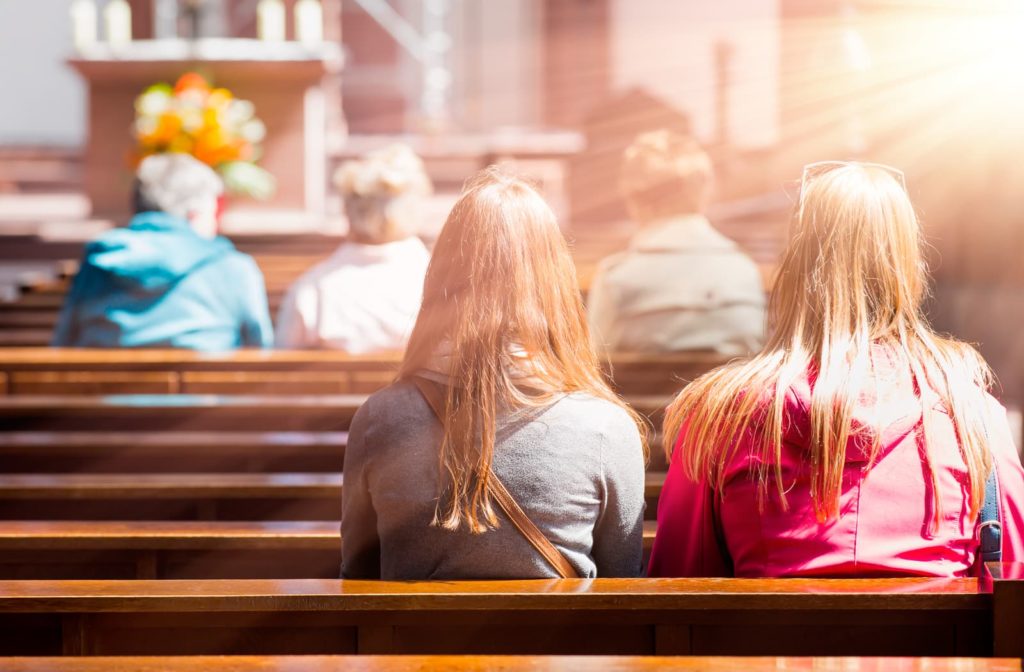
Faith plays a significant role in a person’s ability to overcome challenges. For many, believing in a higher power can provide the emotional and mental strength required to find inner strength and peace in stressful or depressive situations. As such, communities and organizations that work with the vulnerable should take steps to help address both their physical and their mental and spiritual needs.
For some of us, faith and religion can have a positive effect on a person’s physical and mental wellbeing. Prayer, in particular, can:
- Help manage stress effectively.
- Insulate us from depression.
- Help us foster a positive outlook on life.
Another factor that affects homelessness is poverty. The lack of a stable income can cause a person the ability to afford the necessities of life, such as paying rent, resulting in homelessness. In times of trouble, having a church or other close-knit community to turn to can provide a social safety net. Many spiritual schools of thought also encourage their members to care for the most vulnerable among them and strive to teach their community members that all individuals, regardless of their situation, deserve dignity and respect.
Social Connection & Homelessness
Losing social connections can make homelessness even more difficult to bear. In addition to other hardships that homeless people face (including poor mental health, being unsheltered, and living in poverty), many unsheltered individuals face social isolation as well. Though mental illness may cause some unsheltered individuals to sever social ties or push their loved ones away, being homeless can also cause social isolation because of the way most of society ignores this vulnerable group and denies their humanity.
Lack of social connections can increase loneliness, anxiety, depression, and take a toll on our mental and physical health. It can also lead to feelings of hopelessness and severe low self-esteem.
How Can Social Connection Help the Homeless?
How people connect socially differs from person to person. To help reach and support our most vulnerable community members, we need to come up with a variety of strategies since no one single strategy will be able to effectively help everyone.
Organizations can help the homeless forge social connections by providing inclusive programs that are welcome to everyone. For example, a support group can provide a forum for individuals with similar concerns or struggles to share their experiences, connect, and support one another.
Poor self-esteem and feelings of poor self-worth can also increase social isolation for homeless individuals. Communities can help by providing life and employment skills-based programs that can help people who are homeless or are likely to become homeless soon. These programs can help these vulnerable individuals learn valuable skills to improve their job prospects and reduce poverty. Learning a new skill can also provide a sense of accomplishment and boost self-esteem.
Finally, community groups can share their facilities with their vulnerable neighbours by becoming social hubs where vulnerable individuals can share meals, grab a cup of coffee, and form social relationships with one another and the wider community.
Being unsheltered is a difficult burden to bear. By volunteering or donating to organizations like ours that work with vulnerable individuals, you can help make a difference in someone’s life.